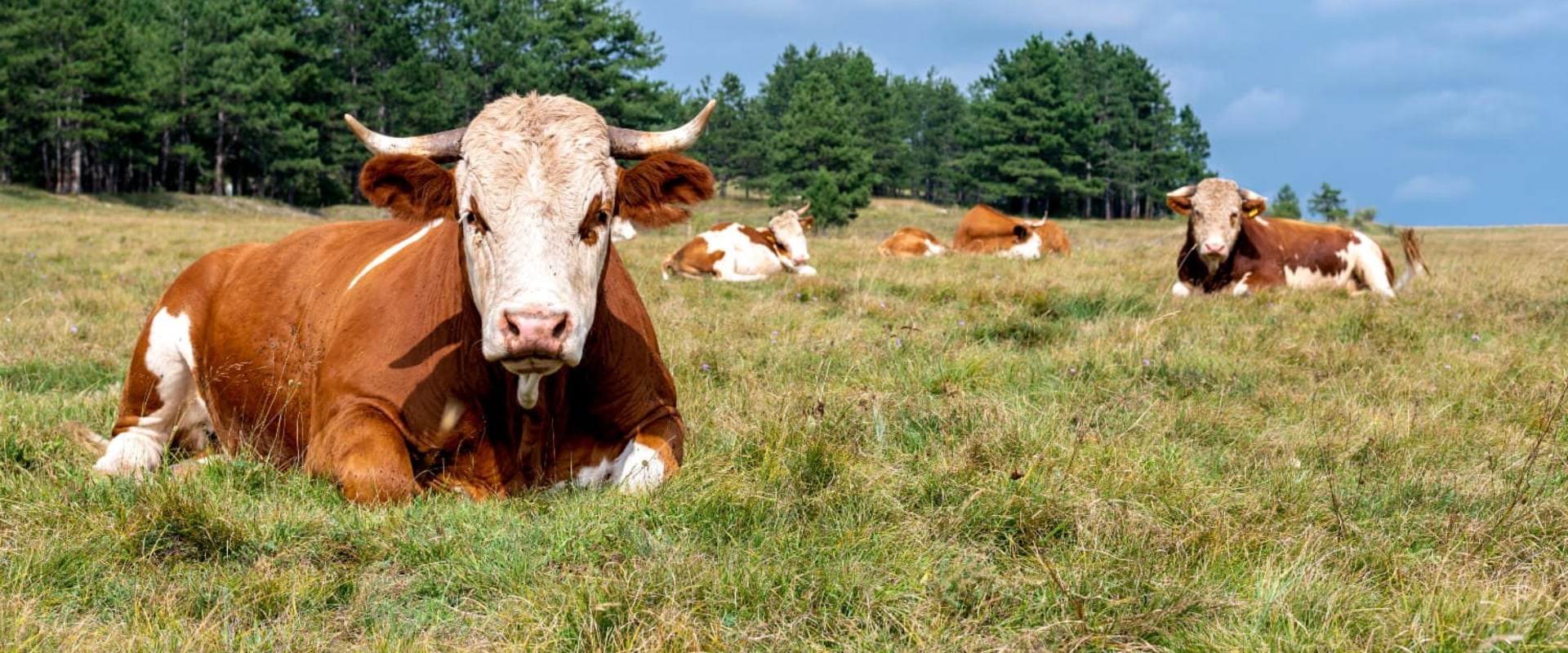
Pasture management is a critical aspect of sustainable agriculture that focuses on the careful planning and utilization of grazing lands. It involves a series of practices aimed at maintaining the health and productivity of pasture ecosystems, ensuring that they can support livestock while also preserving the environment. By understanding pasture management, farmers and landowners can optimize their resources, enhance soil fertility, and promote biodiversity, all of which are essential for long-term agricultural success. The importance of pasture management cannot be overstated. Properly managed pastures not only provide high-quality forage for livestock but also contribute to soil health and water conservation.
Effective management practices can lead to improved pasture resilience against drought and other climatic challenges, ultimately resulting in more sustainable food production systems. Furthermore, well-maintained pastures can sequester carbon, helping to mitigate climate change while supporting local wildlife habitats. As we delve deeper into the benefits of proper pasture management, it becomes clear that these practices are not merely beneficial for farmers but are also vital for the broader ecosystem. By prioritizing pasture health, we can create a more sustainable agricultural landscape that meets the needs of both current and future generations.
Enhancing Soil Health Through Proper Pasture Management
Effective pasture management plays a pivotal role in enhancing soil health, which is essential for sustainable agricultural practices. By implementing proper grazing techniques and rotational grazing systems, farmers can significantly improve the structure and fertility of their soil.One of the primary benefits of good pasture management is the enhancement of nutrient cycling.When livestock graze, they naturally deposit manure, which serves as a rich source of organic matter and nutrients. This process not only replenishes the soil but also promotes microbial activity, which is crucial for breaking down organic materials and making nutrients available to plants.Moreover, maintaining diverse plant species in pastures can lead to improved soil fertility. Different plants contribute various root structures and organic materials, which help to aerate the soil and improve its water-holding capacity. This biodiversity also supports a wider range of soil organisms, fostering a more resilient ecosystem.
- Improved Soil Structure: Healthy pastures with diverse root systems prevent soil compaction and erosion.
- Increased Organic Matter: Regularly managed pastures enhance the organic content of the soil, leading to better moisture retention.
- Biodiversity Promotion: A variety of plant species supports a balanced ecosystem, which is vital for long-term soil health.
By focusing on nutrient cycling and promoting biodiversity, farmers can create a sustainable farming system that supports both productivity and environmental stewardship.
Improving Livestock Productivity and Health
Effective pasture management is crucial for enhancing livestock productivity and ensuring optimal animal health. By implementing strategic grazing practices and maintaining high-quality forage, farmers can significantly improve the overall well-being of their livestock.One of the primary benefits of proper pasture management is the improvement in forage quality. Healthy pastures provide a diverse range of nutrients essential for livestock growth and reproduction. When animals graze on well-managed pastures, they receive:- Higher Nutritional Value: Quality forage is rich in proteins, vitamins, and minerals that are vital for animal health.
- Better Digestibility: Well-maintained pastures promote the growth of palatable plant species that are easier for livestock to digest.
- Increased Forage Availability: Rotational grazing and proper rest periods allow pastures to recover, ensuring a consistent supply of feed.
Animals that graze on high-quality forage tend to exhibit:
- Enhanced Weight Gain: Livestock on nutritious pastures gain weight more efficiently, leading to better market readiness.
- Higher Reproductive Rates: Proper nutrition supports reproductive health, resulting in increased birth rates and healthier offspring.
- Reduced Veterinary Costs: Healthier animals are less prone to diseases, which can lower the need for medical interventions.
Economic Benefits of Effective Pasture Management
Implementing effective pasture management techniques can lead to significant economic benefits for farmers and ranchers. By optimizing pasture health and productivity, producers can achieve substantial cost savings and enhance their overall profitability.One of the primary financial advantages of proper pasture management is the reduction in feed costs. When pastures are well-maintained, they can provide a higher quality forage that meets the nutritional needs of livestock.This means that farmers may rely less on expensive supplemental feeds, leading to lower operational costs.Additionally, effective pasture management practices, such as rotational grazing, can improve soil health and increase forage yield. Healthier pastures not only support more livestock but also extend the grazing season, allowing farmers to maximize their land's productivity throughout the year. This increased productivity translates directly into higher income potential.
- Improved Livestock Health: Healthy pastures contribute to better livestock health, reducing veterinary costs and increasing weight gain, which can lead to higher market prices.
- Enhanced Land Value: Well-managed pastures can increase the overall value of agricultural land, making it a more attractive investment for future buyers.
- Sustainable Practices: Implementing sustainable pasture management techniques can qualify farmers for various grants and subsidies aimed at promoting environmentally friendly practices.
From reducing feed costs to improving livestock health and increasing land value, proper management practices not only support sustainable farming but also bolster the financial viability of agricultural operations.
Environmental Impact of Pasture Management Practices
Effective pasture management plays a crucial role in promoting environmental sustainability. By implementing best practices, farmers can significantly reduce soil erosion, enhance carbon sequestration, and foster overall ecosystem health.Reducing Soil Erosion
- Properly managed pastures maintain ground cover, which protects the soil from the impact of rainfall and wind.
- Rotational grazing techniques allow for recovery periods for grasslands, leading to stronger root systems that bind the soil.
- By minimizing overgrazing, pasture management helps preserve the integrity of the land, reducing sediment runoff into waterways.
Enhancing Carbon Sequestration
- Healthy pastures act as carbon sinks, capturing atmospheric carbon dioxide and storing it in plant biomass and soil.
- Practices such as cover cropping and agroforestry can further increase the amount of carbon sequestered in pasture systems.
- Research indicates that well-managed pastures can sequester significant amounts of carbon, contributing to climate change mitigation efforts.
Promoting Ecosystem Health
- Diverse plant species in pastures support a variety of wildlife, enhancing biodiversity.
- Healthy pastures improve water infiltration and quality, benefiting both agricultural and natural ecosystems.
- Integrated pest management strategies within pasture systems can reduce reliance on chemical inputs, promoting a healthier environment.
Common Challenges in Pasture Management and Solutions
Effective pasture management is essential for maintaining healthy grazing lands, but it comes with its own set of challenges. Understanding these challenges and implementing practical solutions can significantly enhance pasture productivity and sustainability.- Overgrazing: One of the most common issues in pasture management is overgrazing, which can lead to soil degradation and reduced forage quality.
To combat this, implement rotational grazing systems that allow pastures to rest and recover. This method not only improves soil health but also promotes diverse plant growth.
- Weed Infestation: Weeds can outcompete desirable forage species, leading to decreased pasture productivity. Regular monitoring and early intervention are key. Consider using targeted herbicides or introducing competitive crops that can suppress weed growth naturally.
- Nutrient Deficiency: Pastures may suffer from nutrient imbalances, affecting plant health and livestock performance.
Conduct soil tests to identify deficiencies and apply appropriate fertilizers based on the specific needs of your pasture. Incorporating legumes can also enhance soil fertility naturally.
- Pest Management: Insects and other pests can damage pasture plants, reducing yield. Integrated pest management (IPM) strategies, such as introducing beneficial insects or using organic pesticides, can help control pest populations while minimizing environmental impact.
- Water Management: Insufficient water supply can stress pastures, especially during dry seasons. Implementing water conservation practices, such as rainwater harvesting or installing efficient irrigation systems, ensures that pastures receive adequate moisture throughout the growing season.
FAQs About Pasture Management Benefits
Proper pasture management is essential for sustainable agriculture, and many people have questions about its benefits.Here are some frequently asked questions that can help clarify the advantages of effective pasture management.
What are the primary benefits of pasture management?
The primary benefits of pasture management include:- Improved Soil Health: Regularly managed pastures enhance soil structure and fertility, leading to better water retention and nutrient availability.
- Increased Forage Quality: Proper management practices ensure that grasses and legumes are maintained at optimal growth stages, improving the nutritional value for grazing animals.
- Biodiversity Enhancement: Diverse plant species in well-managed pastures support a variety of wildlife and beneficial insects, contributing to a balanced ecosystem.
- Reduced Erosion: Healthy pastures with robust root systems help prevent soil erosion, protecting land from degradation.
How does pasture management affect livestock?
Effective pasture management directly impacts livestock health and productivity. Key effects include:- Better Nutrition: Livestock grazing on well-managed pastures receive a balanced diet, which can lead to improved weight gain and milk production.
- Disease Prevention: Rotational grazing practices reduce parasite loads and disease transmission among animals, promoting overall herd health.
Can pasture management practices save money?
Yes, implementing sound pasture management practices can lead to significant cost savings. By optimizing forage use and reducing feed costs, farmers can enhance their profitability. Additionally, healthier pastures require less input in terms of fertilizers and pesticides, further lowering expenses.In summary, understanding the benefits of proper pasture management can lead to more informed decisions that enhance agricultural sustainability, improve livestock health, and increase economic viability for farmers.Conclusion: The Path Forward for Sustainable Pasture Management
In conclusion, the journey towards effective pasture management is not just a necessity but a responsibility that farmers and landowners must embrace for the sake of future generations.The benefits of implementing sound pasture management practices are manifold, impacting not only the productivity of livestock but also the health of the ecosystem.By prioritizing sustainable practices, such as rotational grazing, soil health improvement, and biodiversity enhancement, we can ensure that our pastures remain productive and resilient. These methods not only optimize forage quality but also contribute to carbon sequestration, helping to mitigate climate change.
- Enhanced Soil Health: Proper pasture management leads to improved soil structure and fertility, which in turn supports better plant growth.
- Increased Biodiversity: Diverse plant species in pastures promote a balanced ecosystem, attracting beneficial insects and wildlife.
- Economic Viability: Healthy pastures reduce feed costs and increase livestock productivity, ultimately enhancing farm profitability.