Pasture management is a critical aspect of sustainable livestock farming that involves the careful planning and maintenance of grazing lands to optimize the health and productivity of both the pasture and the animals. At its core, pasture management encompasses a variety of practices aimed at enhancing forage quality, improving soil health, and ensuring that livestock have access to nutritious grazing options throughout the year. Understanding these principles is essential for farmers who wish to maximize their yields while minimizing environmental impact. The importance of pasture management cannot be overstated. Well-managed pastures not only provide essential nutrients for livestock but also contribute to the overall ecosystem by promoting biodiversity and preventing soil erosion.
By implementing effective grazing strategies, farmers can ensure that their pastures remain productive over time, reducing the need for costly feed supplements and enhancing animal welfare. This holistic approach not only benefits the livestock but also supports the long-term viability of farming operations. Moreover, the benefits of pasture management extend beyond immediate economic gains. Healthy pastures can sequester carbon, improve water retention, and support wildlife habitats, making them a vital component of sustainable agriculture. As we delve deeper into how pasture management can be tailored to different types of livestock, it becomes clear that understanding these foundational concepts is crucial for any farmer looking to adapt their practices to meet specific needs and challenges.
Key Principles of Pasture Management
Effective pasture management is essential for optimizing livestock health and productivity.It revolves around several key principles that ensure the sustainability and efficiency of grazing systems.
- Soil Health: Healthy soil is the foundation of productive pastures. Practices such as regular soil testing, appropriate fertilization, and organic matter addition can enhance soil structure and nutrient availability. This, in turn, supports robust plant growth, which is vital for livestock.
- Plant Diversity: Incorporating a variety of plant species in pastures can improve resilience against pests and diseases while providing a balanced diet for livestock. Diverse pastures can also enhance soil health and reduce the need for chemical inputs.
- Grazing Techniques: Implementing rotational grazing can significantly improve pasture health.
By allowing specific areas to rest and recover, livestock can benefit from higher-quality forage while minimizing overgrazing. This technique also promotes even manure distribution, which enhances soil fertility.
- Water Management: Access to clean water is crucial for livestock health. Effective pasture management includes ensuring that water sources are strategically located to encourage even grazing patterns and prevent overuse of certain areas.
- Monitoring and Adaptation: Regularly assessing pasture conditions and livestock performance allows for timely adjustments in management practices. This adaptability is key to responding to changing environmental conditions and livestock needs.
Pasture Management for Cattle
Effective pasture management for cattle is essential to ensure optimal health, productivity, and sustainability.Cattle have unique grazing behaviors and nutritional needs that must be considered when developing a pasture management plan.
Grazing Strategies
- Rotational Grazing: This method involves dividing pastures into smaller sections and rotating cattle between them. This allows for recovery time for grazed areas, promoting healthier forage growth and reducing overgrazing.
- Strip Grazing: Similar to rotational grazing, strip grazing confines cattle to a narrow strip of pasture, encouraging them to graze more uniformly and preventing selective grazing of preferred plants.
- Continuous Grazing: While less effective than rotational methods, continuous grazing can be suitable for certain conditions. However, it requires careful monitoring to prevent overgrazing.
Additionally, incorporating legumes like clover can enhance protein content in the diet.
Nutritional Needs
Cattle require a balanced diet rich in energy, protein, vitamins, and minerals. During different life stages—such as growth, lactation, or finishing—cattle's nutritional needs vary significantly. Regular soil testing and forage analysis can help determine the nutrient content of pastures and guide supplementation strategies.In summary, tailored pasture management for cattle involves implementing effective grazing strategies, selecting appropriate forage species, and addressing the specific nutritional needs of the herd. By optimizing these factors, farmers can enhance cattle health and productivity while promoting sustainable land use practices.Pasture Management for Sheep
Effective pasture management for sheep requires an understanding of their unique grazing habits and dietary preferences.Sheep are selective grazers, often preferring certain types of forage over others. This selectivity can significantly influence the health of the pasture and the overall productivity of the flock.
Grazing Behavior
- Sheep tend to graze close to the ground, which can lead to overgrazing if not managed properly.
- They prefer to graze on legumes and grasses, which provide essential nutrients.
- Sheep are also known to exhibit a behavior called "grazing pressure," where they will preferentially graze certain areas, leading to uneven pasture utilization.
Optimal Forage for Sheep
To ensure that sheep receive a balanced diet, it is crucial to incorporate a variety of forages into their pastures. Some optimal forage types include:
- Alfalfa: High in protein and energy, making it an excellent choice for lactating ewes.
- Timothy Grass: A good source of fiber that aids in digestion.
- Clover: Rich in nitrogen, clover can enhance soil fertility while providing nutritious grazing options.
Pasture Management Practices
To tailor pasture management effectively for sheep, consider implementing the following practices:
- Rotational Grazing: This method allows pastures to recover while providing fresh forage for sheep, reducing the risk of overgrazing.
- Soil Testing: Regular soil tests can help determine nutrient needs and inform fertilization strategies to promote healthy forage growth.
- Diverse Planting: Incorporating a mix of grasses and legumes can improve pasture resilience and provide a more balanced diet for sheep.
Pasture Management for Goats
When it comes to pasture management for goats, understanding their unique grazing and browsing habits is essential. Unlike cattle or sheep, goats are natural browsers, preferring to eat shrubs, trees, and other high-growing vegetation.This preference allows them to thrive in environments where traditional grasses may not be as abundant.To effectively manage pastures for goats, consider the following strategies:
- Diverse Forage Options: Incorporate a variety of plants in your pasture. Goats enjoy a mix of legumes, forbs, and shrubs. This diversity not only meets their nutritional needs but also promotes healthier soil and reduces the risk of overgrazing.
- Rotational Grazing: Implement a rotational grazing system to prevent overgrazing in specific areas. By moving goats between different pastures, you allow forage plants time to recover and grow back, ensuring a sustainable food source.
- Brush Management: Goats are particularly effective at controlling brush and invasive plant species.
By strategically placing goats in areas overrun with unwanted vegetation, you can naturally manage these plants while providing your livestock with nutritious forage.
Pasture Management for Horses
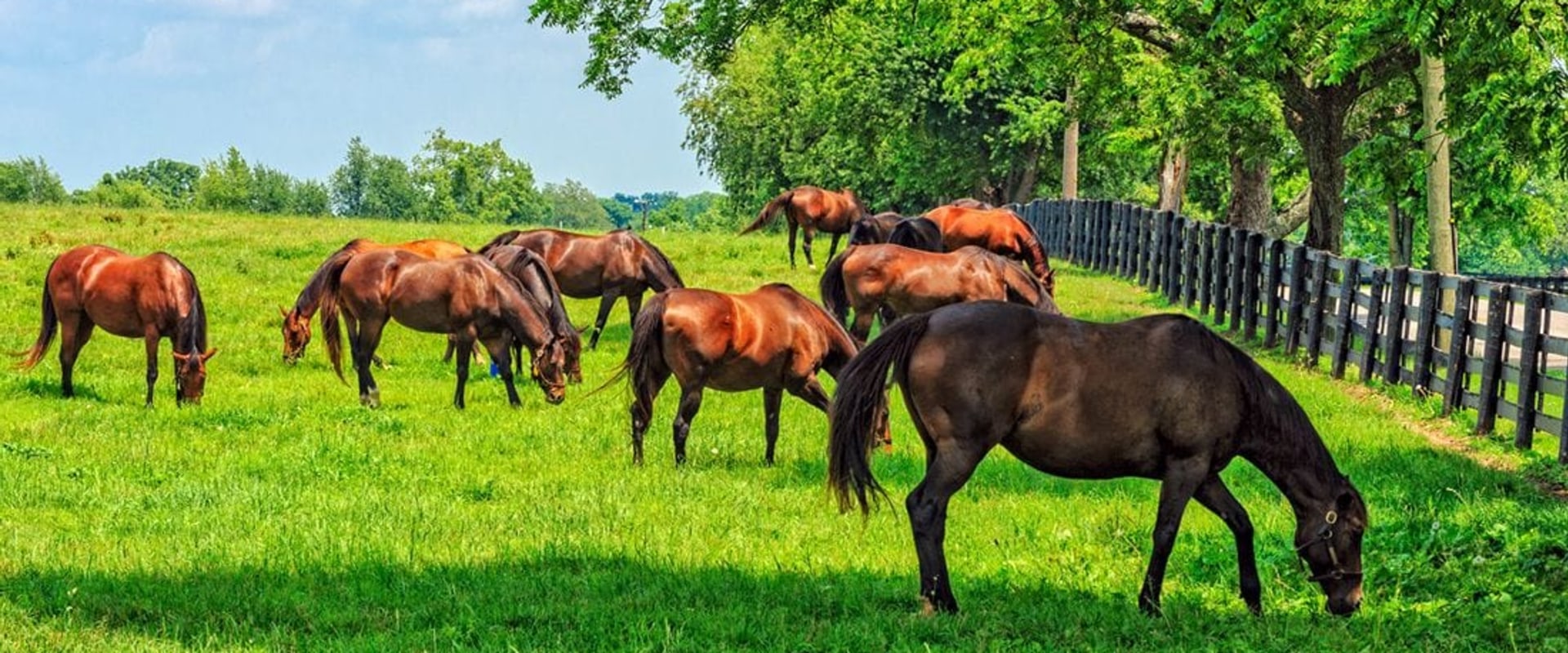
Effective pasture management for horses requires a deep understanding of their unique grazing needs and the types of forage that best support their health and performance.Horses are selective grazers, often preferring certain grasses and legumes over others. Therefore, it is essential to provide a variety of horse-friendly forage options to meet their nutritional requirements.
Understanding Horse Grazing Needs
- Horses require a diet high in fiber, which is best provided by quality grasses and legumes.
- They typically graze for 12-18 hours a day, so ample pasture space is crucial.
- Horses are prone to certain health issues, such as laminitis, which can be exacerbated by overconsumption of rich forages.
- Choose the Right Forage: Opt for grasses like timothy, orchard grass, or fescue, and legumes such as alfalfa or clover. These provide essential nutrients while being palatable to horses.
- Implement Rotational Grazing: This method allows pastures to rest and recover, promoting healthier grass growth and reducing overgrazing.
- Monitor Pasture Condition: Regularly assess the quality of your pasture. Look for signs of overgrazing or weed encroachment and take action as needed.
- Provide Access to Fresh Water: Ensure that horses have constant access to clean water sources, as hydration is vital for their overall health.
Regularly evaluating your pasture conditions and adjusting your management strategies will ensure that your horses thrive in a safe and nutritious setting.
Integrating Multiple Livestock Types in Pasture Management
Integrating multiple livestock types in pasture management can lead to numerous benefits, both for the animals and the land. By allowing different species to graze together, farmers can optimize forage utilization and improve overall pasture health.Benefits of Multi-Species Grazing
- Diverse Forage Utilization: Different livestock species have varying grazing habits and preferences. For instance, sheep tend to graze closer to the ground, while cattle prefer taller grasses. This diversity allows for more complete forage utilization, reducing waste and promoting healthier pastures.
- Improved Soil Health: Different animals contribute to soil health in unique ways.
For example, the trampling action of hooves can help incorporate organic matter into the soil, while the varied manure types from different species enhance nutrient cycling.
- Pest and Weed Control: Multi-species grazing can naturally suppress weeds and pests. Certain livestock may consume specific weeds that others avoid, leading to a more balanced ecosystem and reduced reliance on chemical treatments.
Strategies for Integrating Livestock Types
- Planning Grazing Schedules: Implementing a rotational grazing system can help manage the grazing pressure on pastures. By rotating different species through designated areas, farmers can allow for recovery time for the forage.
- Matching Livestock Needs: Understanding the nutritional requirements of each species is crucial. For example, pairing cattle with goats can be beneficial since goats are browsers and will eat shrubs and brush that cattle may not touch.
- Monitoring Pasture Conditions: Regularly assessing pasture health is essential when integrating multiple livestock types.
This includes monitoring forage availability, soil health, and animal performance to ensure that all species thrive.
Challenges in Pasture Management Across Different Livestock Types
Effective pasture management is crucial for optimizing livestock health and productivity, yet it comes with a unique set of challenges that vary across different types of livestock. Understanding these challenges is the first step toward implementing effective solutions. One common issue in pasture management is overgrazing, which can lead to soil degradation and reduced forage quality. This problem is particularly prevalent with cattle, as their grazing habits can quickly deplete grass resources.To combat this, rotational grazing systems can be implemented, allowing pastures to recover while ensuring livestock have access to fresh forage. Another challenge is the differing nutritional needs of various livestock species. For instance, sheep require a higher protein intake compared to goats. This necessitates careful planning of pasture composition and the timing of grazing to ensure that all livestock receive adequate nutrition.
Pasture management
strategies should include soil testing and forage analysis to tailor the pasture mix to the specific needs of each type of livestock. Additionally, the presence of parasites and diseases can significantly impact livestock health and productivity.For example, sheep are particularly susceptible to internal parasites when grazing on contaminated pastures. Implementing a strategic deworming schedule and maintaining pasture hygiene can help mitigate these risks. Weather conditions also pose a significant challenge in pasture management. Droughts can severely limit forage availability, while excessive rainfall can lead to muddy pastures that are detrimental to animal health. Utilizing drought-resistant forage species and creating drainage systems can help manage these environmental factors effectively. In summary, addressing the challenges in pasture management requires a multifaceted approach that considers the specific needs of different livestock types.
By implementing strategies such as rotational grazing, tailored nutrition plans, parasite control measures, and environmental adaptations, farmers can enhance pasture productivity and ensure the well-being of their livestock.
Future Trends in Pasture Management
The future of pasture management is poised for significant transformation, driven by innovative practices and advancements in technology. As the demand for sustainable livestock farming increases, farmers are exploring new methods to enhance productivity while minimizing environmental impact.One of the most promising trends is the integration of precision agriculture into pasture management. This approach utilizes data analytics and technology to monitor soil health, moisture levels, and nutrient availability. By employing sensors and satellite imagery, farmers can make informed decisions about grazing patterns and pasture rotation, ensuring optimal use of resources.Innovative Pasture Practices
- Mob grazing: This practice involves moving livestock frequently to mimic natural grazing patterns, which can improve soil health and increase forage production.
- Cover cropping: Planting cover crops during off-seasons helps prevent soil erosion, enhances biodiversity, and improves soil fertility.
- Agroforestry: Integrating trees into pasture systems can provide shade for livestock, improve biodiversity, and enhance carbon sequestration.
These technologies not only save time but also reduce labor costs and improve animal welfare by ensuring that livestock have access to adequate nutrition and care.As we look ahead, it is essential for livestock producers to stay informed about these emerging trends in pasture management. By adopting innovative practices and leveraging technology, farmers can enhance sustainability, increase productivity, and contribute positively to the environment. The future of pasture management is not just about maintaining current practices; it’s about evolving to meet the challenges of tomorrow's agricultural landscape.