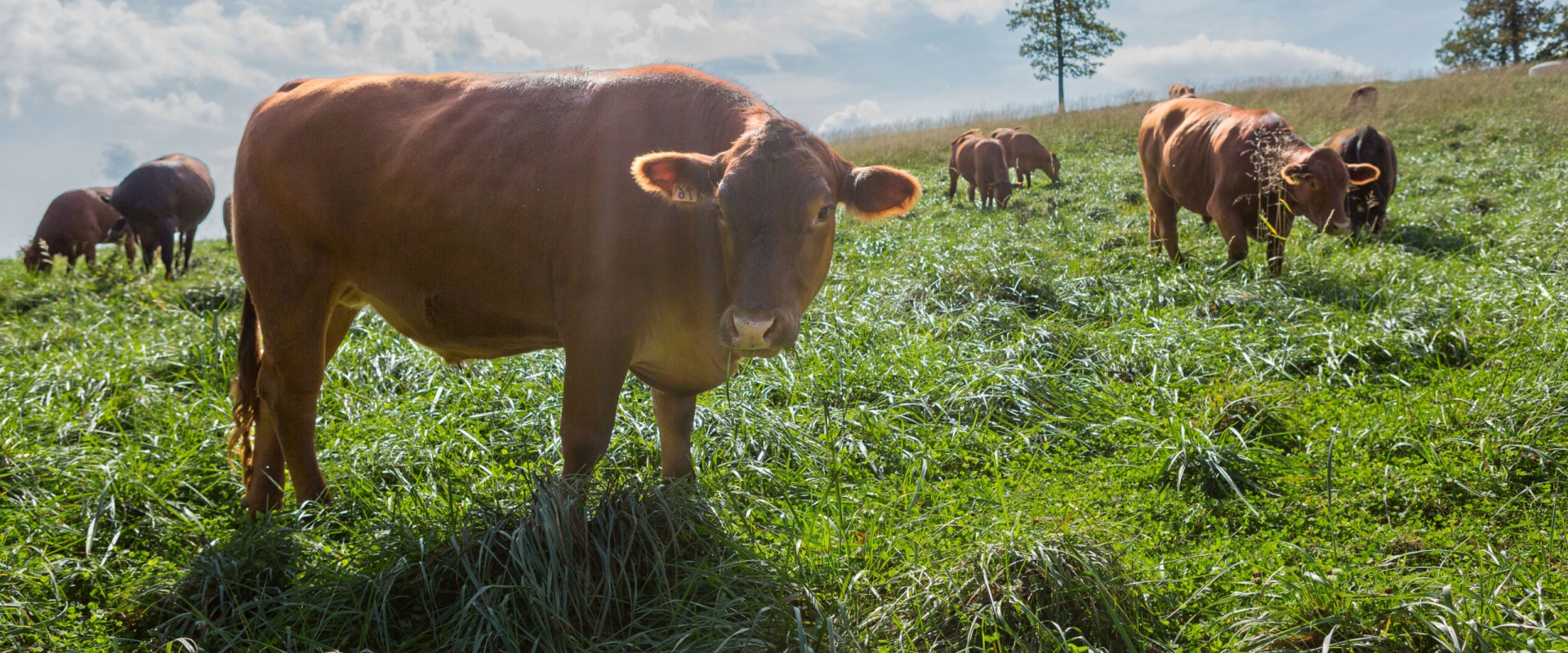
As the world grapples with the escalating effects of climate change, its implications for pasture management have become increasingly critical. The delicate balance of ecosystems that support livestock grazing is being disrupted by rising temperatures, altered precipitation patterns, and extreme weather events. These changes not only threaten the health of pastures but also challenge the sustainability of agricultural practices that rely on them. Understanding the impact of climate change on pasture management is essential for farmers and land managers who must adapt to these shifting conditions. For instance, prolonged droughts can lead to reduced forage availability, while excessive rainfall can cause soil erosion and nutrient leaching.
Such challenges necessitate innovative management strategies to maintain pasture productivity and ensure food security. This section will delve into how climate change affects pasture health, exploring factors such as soil quality, plant diversity, and livestock productivity. By examining these relationships, we can better appreciate the urgent need for adaptive management practices that not only mitigate the effects of climate change but also enhance the resilience of pasture systems in the face of an uncertain future.
The Science of Climate Change
Climate change
refers to significant and lasting changes in the global climate, primarily driven by human activities such as burning fossil fuels, deforestation, and industrial processes. These actions increase the concentration of greenhouse gases (GHGs) in the atmosphere, leading to a rise in global temperatures.
Causes of climate change
can be categorized into natural and anthropogenic factors. Natural causes include volcanic eruptions and variations in solar radiation, while anthropogenic factors are predominantly linked to human activities:
- Burning fossil fuels: The combustion of coal, oil, and natural gas for energy releases large amounts of carbon dioxide (CO2) and other GHGs.
- Deforestation: Trees absorb CO2; when they are cut down or burned, the stored carbon is released back into the atmosphere.
- Agricultural practices: Livestock production generates methane (CH4), a potent GHG, while certain fertilizers release nitrous oxide (N2O).
- Increased temperatures: Higher average temperatures can lead to heat stress in livestock and reduced pasture quality.
- Altered precipitation patterns: Changes in rainfall can result in droughts or flooding, affecting pasture growth and soil health.
- Pest and disease proliferation: Warmer climates can expand the range of pests and diseases that threaten pasture health.
By recognizing the causes and effects of climate change, farmers can implement adaptive strategies to mitigate its impact on their operations.
How Climate Change Affects Pasture Health
Climate change poses significant challenges to pasture management, primarily through its impact on pasture health. As global temperatures rise, the effects on soil quality, water availability, and plant growth patterns become increasingly pronounced.Soil Quality
- Higher temperatures can lead to increased soil erosion, reducing the nutrient content essential for healthy pasture growth.
- Changes in precipitation patterns may result in either drought or excessive rainfall, both of which can degrade soil structure and fertility.
- Increased carbon dioxide levels can enhance plant growth; however, this is often accompanied by nutrient dilution, where plants grow larger but with lower nutritional value.
Water Availability
- Climate change is altering rainfall patterns, leading to periods of both drought and flooding. These extremes can stress pasture systems and reduce their resilience.
- Drought conditions can limit water availability for irrigation, making it difficult to maintain healthy pastures during dry spells.
- Conversely, excessive rainfall can lead to waterlogged soils, which hinder root development and promote diseases that can devastate pasture lands.
Plant Growth Patterns
- Shifts in temperature and precipitation can alter the composition of plant species within pastures. Some species may thrive while others decline, affecting overall biodiversity.
- Increased temperatures may extend the growing season for some grasses but could also lead to earlier flowering times, disrupting the grazing cycle.
- The introduction of invasive species may become more prevalent as climate conditions change, further threatening native pasture plants.
Effective pasture management strategies must adapt to these changes by focusing on improving soil health, optimizing water use, and promoting diverse plant communities to ensure sustainable pasture systems in the face of a changing climate.
Shifts in Pasture Management Practices Due to Climate Change
As climate change continues to alter weather patterns and environmental conditions, pasture management practices are undergoing significant transformations. Farmers and ranchers are increasingly recognizing the need for adaptive management strategies to ensure the sustainability and productivity of their pastures.One of the most notable shifts in pasture management is the adoption of rotational grazing. This method allows livestock to graze on a specific area for a limited time before moving to another section, giving the grazed pasture time to recover. By implementing rotational grazing, farmers can enhance soil health, improve forage quality, and increase resilience against drought conditions.Additionally, many producers are incorporating diverse forage species into their pastures.By planting a mix of grasses and legumes that are well-suited to changing climatic conditions, farmers can create more resilient ecosystems. This diversity not only improves soil structure and fertility but also provides livestock with a balanced diet, which is crucial during periods of extreme weather.
- Water Management: Effective water management practices are becoming essential as precipitation patterns shift. Farmers are investing in irrigation systems and water conservation techniques to ensure that pastures remain productive even during dry spells.
- Soil Health: Emphasizing soil health through practices such as cover cropping and reduced tillage helps maintain moisture levels and nutrient availability, which are critical under changing climate conditions.
- Pest and Disease Management: With warmer temperatures, the prevalence of pests and diseases may increase. Farmers are adopting integrated pest management (IPM) strategies that focus on prevention and monitoring rather than reactive measures.
By proactively adapting their strategies, farmers can maintain productivity while contributing to environmental stewardship.
The Role of Technology in Adapting Pasture Management to Climate Change
As climate change continues to alter weather patterns and affect the availability of resources, technology in agriculture has emerged as a crucial ally for farmers striving to adapt their pasture management practices. Innovative solutions are being developed to enhance efficiency, sustainability, and resilience in pasture systems.Precision Agriculture
- Precision agriculture utilizes data-driven technologies to optimize field-level management regarding crop farming. In the context of pasture management, this means using tools such as GPS mapping, soil sensors, and satellite imagery to monitor pasture health and productivity.
- Farmers can analyze data on soil moisture, nutrient levels, and plant growth to make informed decisions about grazing patterns and fertilizer application, ensuring that pastures remain productive even under changing climatic conditions.
Remote Sensing and Drones
- The use of drones and remote sensing technology allows farmers to assess large areas of pastureland quickly. These tools can identify areas that require attention, such as those suffering from drought or overgrazing.
- By providing real-time data, these technologies enable farmers to implement targeted interventions that can improve pasture resilience and reduce the impact of climate variability.
Automated Systems
- Automated systems for irrigation and nutrient delivery are also transforming pasture management technology.
Smart irrigation systems can adjust water supply based on weather forecasts and soil moisture levels, conserving water while ensuring that pastures receive adequate hydration.
- This not only helps in maintaining pasture quality but also reduces the overall environmental footprint of farming operations.
Case Studies: Successful Adaptations in Pasture Management
As climate change continues to reshape agricultural landscapes, many farmers are finding innovative ways to adapt their pasture management practices. Here are some compelling case studies that illustrate successful adaptations in response to changing environmental conditions.Case Study 1: Rotational Grazing in the Midwest
A farm in Iowa implemented a rotational grazing system to combat the effects of prolonged droughts. By dividing their pastures into smaller sections and rotating livestock between them, the farmers were able to reduce overgrazing and promote healthier grass growth.This method not only improved soil health but also increased the resilience of their pastures against extreme weather events.
Case Study 2: Drought-Resistant Forage Varieties in California
In California, a rancher faced severe water shortages due to changing precipitation patterns. To address this challenge, they transitioned to planting drought-resistant forage varieties such as teff and sorghum. These crops require less water and are more resilient to heat, allowing the rancher to maintain livestock health and productivity even during dry spells.Case Study 3: Agroforestry Practices in Australia
An Australian farmer adopted agroforestry practices by integrating trees into their pasture systems. This approach not only provided shade for livestock but also improved biodiversity and soil quality.The trees helped retain moisture in the soil, reducing the impact of heatwaves and enhancing pasture resilience. These case studies highlight that through innovative pasture management strategies, farmers can effectively respond to the challenges posed by climate change. By learning from these real-world examples, others in the agricultural community can implement similar adaptations to ensure sustainable farming practices for the future.
Future Trends in Pasture Management Amidst Climate Change
As climate change continues to reshape agricultural landscapes, the future of pasture management is increasingly focused on sustainability and resilience. Farmers and ranchers are adapting their practices to mitigate the impacts of extreme weather events, shifting precipitation patterns, and rising temperatures.One of the most significant trends in pasture management is the adoption of regenerative agriculture. This approach emphasizes soil health, biodiversity, and ecosystem restoration.By implementing practices such as cover cropping, rotational grazing, and reduced tillage, farmers can enhance soil organic matter, improve water retention, and increase carbon sequestration. These methods not only bolster pasture productivity but also contribute to climate resilience.Another emerging trend is the integration of precision agriculture technologies. Tools such as remote sensing, soil moisture sensors, and data analytics allow farmers to monitor pasture conditions in real-time. This data-driven approach enables more informed decision-making regarding irrigation, fertilization, and grazing schedules, ultimately leading to more efficient resource use and reduced environmental impact.
- Climate-smart practices: Implementing practices that reduce greenhouse gas emissions while enhancing productivity.
- Diverse forage species: Planting a variety of forage species can improve resilience against pests and diseases while optimizing nutrient cycling.
- Water management: Developing efficient irrigation systems and rainwater harvesting techniques to cope with changing rainfall patterns.
This holistic approach considers the interactions between crops, livestock, and the environment. By fostering these relationships, farmers can create more sustainable systems that are better equipped to handle climate variability.In conclusion, the future of pasture management amidst climate change will likely be characterized by innovative practices that prioritize sustainability and resilience. By embracing regenerative techniques, leveraging technology, and adopting agroecological principles, farmers can navigate the challenges posed by a changing climate while ensuring the long-term viability of their pastures.
FAQs About Climate Change and Pasture Management
As climate change continues to affect various aspects of agriculture, many farmers and ranchers have questions about how it impacts pasture management. Here are some frequently asked questions that address common concerns:- How does climate change affect pasture growth? Climate change can lead to altered precipitation patterns and increased temperatures, which directly impact the growth rates of pasture grasses.
In some regions, this may result in longer growing seasons, while in others, drought conditions may hinder growth.
- What are the best practices for managing pastures under changing climate conditions? Implementing sustainable pasture management practices is crucial. This includes rotational grazing, maintaining soil health through cover crops, and selecting drought-resistant grass species to ensure resilience against climate variability.
- How can I prepare my pastures for extreme weather events? To prepare for extreme weather, consider diversifying your pasture species to include those that can withstand both drought and flooding. Additionally, investing in water management systems can help mitigate the effects of heavy rainfall or prolonged dry spells.
- Are there specific indicators I should monitor in my pastures? Monitoring soil moisture levels, grass growth rates, and pest populations can provide valuable insights into how climate change is affecting your pastures. Regular assessments will help you make informed decisions about management practices.
- What role does technology play in adapting pasture management to climate change? Technology such as precision agriculture tools can assist in monitoring environmental conditions and optimizing resource use.
Drones and soil sensors can provide real-time data that helps farmers adapt their pasture management strategies effectively.
Conclusion: The Path Forward for Sustainable Pasture Management
As we conclude our exploration of the impact of climate change on pasture management, it is clear that the challenges posed by shifting weather patterns, increased temperatures, and extreme weather events are significant. However, these challenges also present an opportunity for innovation and adaptation in sustainable practices.To effectively manage pastures in a changing climate, it is essential to adopt a multifaceted approach that includes:- Soil Health Improvement: Enhancing soil quality through organic amendments and cover cropping can improve water retention and nutrient availability, making pastures more resilient to climate variability.
- Diverse Plant Species: Incorporating a variety of forage species can increase biodiversity, which not only supports ecosystem health but also provides a buffer against pests and diseases exacerbated by climate change.
- Adaptive Grazing Practices: Implementing rotational grazing systems allows for better pasture recovery and reduces overgrazing, which is crucial as climate conditions fluctuate.
- Water Management Strategies: Developing efficient irrigation systems and rainwater harvesting techniques can help ensure that pastures receive adequate moisture during dry spells.
By prioritizing resilience and adaptability, we can ensure that our pastures remain productive and sustainable for future generations.