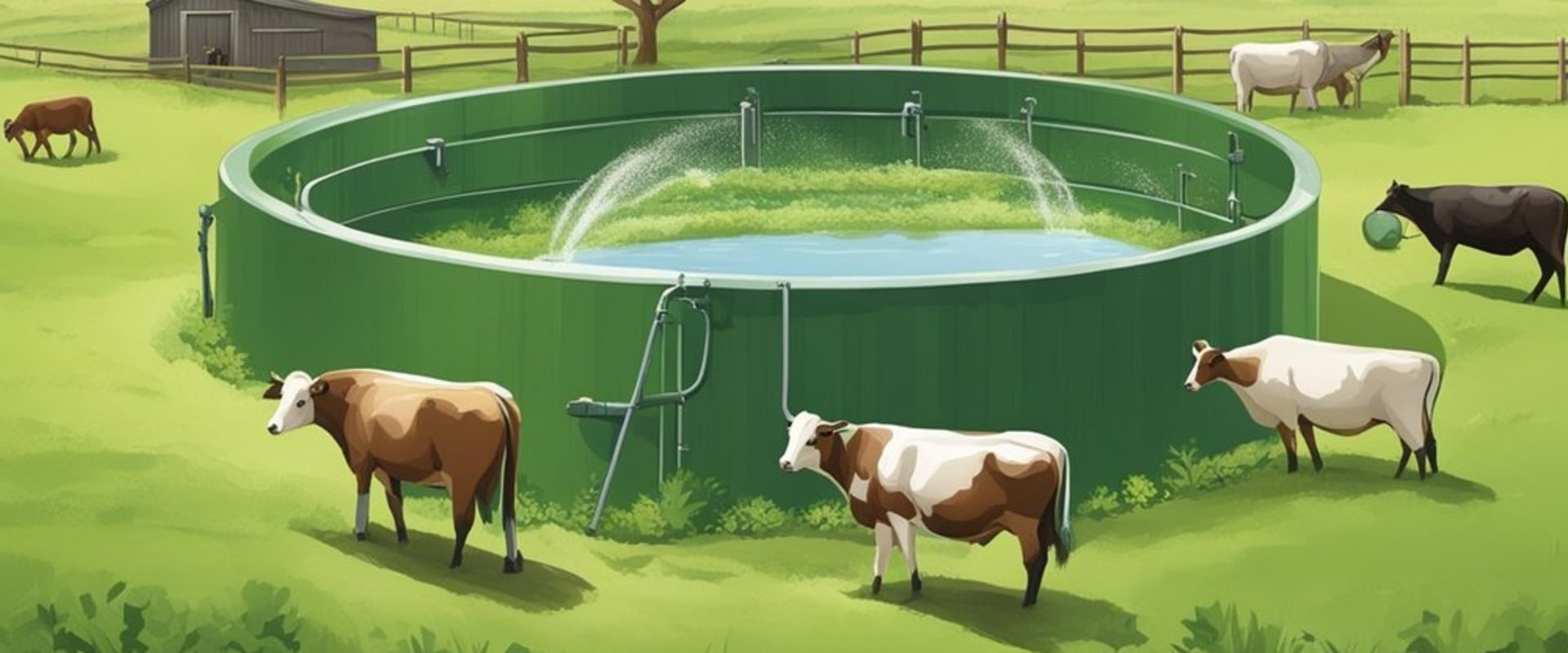
Effective water management is a cornerstone of successful pasture management, playing a critical role in maintaining the health and productivity of grazing lands. Water is not just a resource; it is the lifeblood of pastures, influencing everything from soil quality to plant growth and animal health. When managed properly, water sources can enhance pasture resilience, support sustainable grazing practices, and ultimately lead to more productive livestock operations. The importance of water management extends beyond mere availability. It encompasses the quality of water, its distribution across the pasture, and the timing of its use.
Adequate and clean water sources promote vigorous plant growth, which in turn supports a diverse ecosystem. Healthy pastures are less susceptible to erosion and degradation, making them more sustainable in the long run. Furthermore, well-managed water resources can help mitigate the impacts of droughts and floods, ensuring that pastures remain viable even under challenging climatic conditions. Incorporating effective water management strategies into pasture management not only enhances pasture health but also contributes to the overall sustainability of agricultural practices. By prioritizing water conservation and optimizing its use, farmers can create a balanced system that benefits both their livestock and the environment.
This holistic approach is essential for fostering resilient agricultural landscapes that can thrive amid changing environmental conditions.
Assessing Water Needs in Pastures
Effective pasture management begins with a thorough understanding of the water needs assessment for both the land and the livestock it supports. Evaluating these needs is crucial to ensure that pastures remain healthy and productive.Climate
plays a significant role in determining the water requirements of pastures. Regions with high temperatures and low rainfall will necessitate more frequent watering, while cooler, wetter climates may require less. It is essential to monitor local weather patterns and adjust watering schedules accordingly.The soil type also influences how much water is needed.Sandy soils drain quickly and may require more frequent irrigation, while clay soils retain moisture longer but can become waterlogged if over-irrigated. Conducting a soil test can provide valuable insights into its composition and moisture retention capabilities.Another critical factor in assessing water needs is the livestock hydration requirements. Different species and breeds have varying water intake needs based on their size, age, and production stage (e.g., lactating or growing). On average, cattle may require 10 to 15 gallons of water per day, while sheep might need 1 to 2 gallons.
Understanding these requirements helps in planning adequate water supply systems.To effectively manage water resources in pastures, consider implementing the following strategies:
- Regular Monitoring: Keep track of rainfall and soil moisture levels to adjust irrigation practices as needed.
- Watering Systems: Invest in efficient watering systems such as troughs or automatic waterers to ensure livestock have constant access to fresh water.
- Drought Planning: Develop a contingency plan for drought conditions, including alternative water sources or feed strategies.
Types of Water Sources for Pastures
Effective pasture management relies heavily on the availability and quality of water sources. Understanding the different types of water sources can help landowners make informed decisions that enhance pasture productivity and sustainability.Natural Water Sources
Natural water sources are often the most cost-effective options for providing water to pastures. These include:- Streams and Rivers: Flowing water bodies can provide a continuous supply of fresh water. However, they may require fencing to prevent livestock from overgrazing the banks.
- Ponds and Lakes: These can serve as excellent water sources, but their size and depth must be managed to prevent stagnation and contamination.
- Rainwater Harvesting: Collecting rainwater can supplement other sources, especially in regions with seasonal rainfall.
This method is sustainable but requires proper infrastructure.
Artificial Water Sources
In areas where natural sources are insufficient or unreliable, artificial water sources become essential. These include:- Wells: Drilled wells can provide a consistent water supply, but they require significant investment and maintenance.
- Water Troughs: These are often filled using pumps or gravity-fed systems from nearby sources. They allow for controlled access to water for livestock.
- Irrigation Systems: While primarily used for crop production, irrigation systems can also be adapted to provide water for pastures, especially in arid regions.
In contrast, artificial sources offer consistency but come with higher costs and maintenance requirements. Ultimately, a combination of both types may provide the best solution for effective pasture management.
Implementing Efficient Water Distribution Systems
Efficient water distribution systems are crucial for effective pasture management, ensuring that all areas of the pasture receive adequate hydration. Implementing the right irrigation methods can significantly enhance pasture productivity and sustainability.Types of Irrigation Methods
- Drip Irrigation: This method delivers water directly to the root zone of plants through a network of tubing and emitters. It minimizes water waste and is particularly effective in arid regions.
- Sprinkler Systems: Sprinklers can cover large areas and are suitable for various pasture layouts.
They can be stationary or movable, allowing flexibility in watering different sections as needed.
- Surface Irrigation: This traditional method involves flooding the pasture with water. While it can be less efficient, it is cost-effective for larger areas with gentle slopes.
Designing an Effective Pasture Layout
The layout of your pasture plays a significant role in how effectively water is distributed. Consider the following:- Contour Farming: Aligning irrigation systems along the natural contours of the land can help reduce runoff and promote even water distribution.
- Watering Zones: Divide your pasture into zones based on soil type and plant needs. This allows for targeted irrigation, ensuring that each area receives the appropriate amount of water.
- Access Points: Ensure that all areas of the pasture are easily accessible for maintenance and monitoring of irrigation systems.
Regular monitoring and adjustments to the system will further ensure that all areas remain adequately hydrated throughout the growing season.
Water Conservation Techniques in Pasture Management
Effective water conservation techniques are essential for sustainable pasture management, especially in regions prone to drought. Implementing these practices not only enhances the resilience of pastures but also promotes ecological balance.- Rotational Grazing: This method involves moving livestock between different pasture areas, allowing grazed sections to recover and retain moisture. By preventing overgrazing, rotational grazing helps maintain healthy grass cover, which is crucial for water retention.
- Cover Cropping: Planting cover crops during off-seasons can significantly improve soil structure and moisture retention. These crops protect the soil from erosion and enhance its ability to absorb and hold water.
- Water Harvesting: Techniques such as building swales or contour farming can capture and direct rainwater runoff into pastures.
This not only conserves water but also reduces soil erosion and nutrient loss.
- Soil Management: Implementing practices like no-till farming and adding organic matter can improve soil health, increasing its capacity to retain moisture. Healthy soils are more resilient to drought conditions.
- Drought-Resistant Plant Varieties: Selecting native or drought-resistant forage species can enhance pasture resilience. These plants are better adapted to local climate conditions and require less water.
Monitoring and Maintaining Water Quality
Effective pasture management hinges on the quality of water sources available to livestock.Monitoring and maintaining water quality is crucial not only for the health of the animals but also for the overall vitality of the pasture ecosystem.
Water quality monitoring
should be a regular practice on any farm. This involves testing water sources for contaminants such as bacteria, nitrates, and heavy metals. Regular testing can help identify potential issues before they affect livestock health. Farmers should consider using simple test kits that can provide immediate results or sending samples to a laboratory for more comprehensive analysis.In addition to chemical testing, observing pasture health indicators can provide insights into water quality.For instance, if livestock are reluctant to drink from a particular source, it may indicate that the water is unpalatable or contaminated. Signs of poor pasture health, such as reduced plant growth or increased weed presence, can also correlate with compromised water quality.The impacts of poor water quality on livestock health can be severe. Contaminated water can lead to gastrointestinal issues, reproductive problems, and decreased productivity in animals. Furthermore, livestock that consume low-quality water may exhibit signs of stress, which can affect their overall well-being and performance.To ensure optimal water quality, farmers should implement best practices such as:
- Regularly cleaning water troughs and storage tanks to prevent algae growth and sediment buildup.
- Establishing buffer zones around water sources to minimize runoff from fertilizers and pesticides.
- Utilizing natural filtration systems, such as wetlands or vegetative strips, to improve water quality before it reaches livestock.
Integrating Technology in Water Management for Pastures
In the realm of pasture management, integrating technology into water management practices is revolutionizing how farmers and ranchers optimize their resources.By leveraging advanced tools and systems, producers can ensure that their pastures receive the right amount of water at the right time, enhancing both productivity and sustainability.
Smart irrigation systems
are at the forefront of this technological integration. These systems utilize sensors and automated controls to monitor soil moisture levels, weather conditions, and plant water needs. By doing so, they can adjust irrigation schedules in real-time, reducing water waste and ensuring that pastures remain healthy and vibrant. For instance, a smart irrigation system can automatically shut off when rainfall is detected, preventing overwatering and promoting efficient water use.Moreover, the use of data-driven decisions is becoming increasingly important in pasture management.Farmers can collect data from various sources, including satellite imagery and soil moisture sensors, to analyze the health of their pastures. This data allows for informed decision-making regarding when to irrigate, how much water to apply, and which areas may require additional attention. By utilizing data analytics, producers can identify patterns and trends that inform long-term water management strategies.Additionally, mobile applications are emerging as valuable tools for pasture management. These apps enable farmers to track water usage, monitor irrigation systems remotely, and receive alerts about potential issues such as leaks or system failures.
This level of connectivity not only saves time but also empowers farmers to respond quickly to changing conditions.In conclusion, the integration of technology in water management for pastures is not just a trend; it is a necessity for modern agriculture. By adopting smart irrigation systems and embracing data-driven approaches, farmers can enhance their pasture management practices, leading to more sustainable operations and improved crop yields.
Case Studies: Successful Water Management in Pastures
Effective water management in pastures is crucial for maintaining healthy livestock and sustainable land use. Here are some real-world examples that showcase successful strategies:1.Rotational Grazing in Colorado
A ranch in Colorado implemented a rotational grazing system that included strategically placed water troughs. By moving livestock between different pasture sections, the ranchers were able to prevent overgrazing and allow for natural regrowth of grass.The placement of water sources encouraged animals to graze evenly across the pasture, improving overall land health.
2.Rainwater Harvesting in Texas
In Texas, a cattle operation adopted a rainwater harvesting system to supplement their water supply. They installed large cisterns to collect runoff from barn roofs and other structures. This not only provided a reliable water source during dry spells but also reduced erosion and runoff, enhancing soil quality.3.Wetland Restoration in New York
A farm in New York focused on restoring wetlands within their pastureland. By allowing natural wetlands to thrive, they created a habitat that improved biodiversity while also serving as a natural filtration system for water.This approach helped maintain water quality and provided additional grazing areas during wet seasons.
4.Controlled Drainage in Iowa
Iowa farmers have successfully implemented controlled drainage systems that allow them to manage water levels in their pastures effectively. By using adjustable drainage structures, they can retain water during dry periods and release it during heavy rains, ensuring optimal moisture levels for pasture growth.These case studies illustrate that innovative water management strategies can lead to improved pasture health, increased productivity, and sustainable farming practices. By learning from these examples, other ranchers can adopt similar methods tailored to their specific environments.Frequently Asked Questions about Water Management in Pastures
Managing water sources in pastures is crucial for maintaining healthy livestock and promoting sustainable land use. Here are some frequently asked questions regarding this important aspect of pasture management.What are the best practices for ensuring adequate water supply in pastures?
- Regular Monitoring: Check water sources frequently to ensure they are clean and accessible.
- Water Quality Testing: Conduct periodic tests to ensure the water is safe for livestock consumption.
- Strategic Placement: Position water troughs or tanks in areas that encourage even grazing and minimize trampling.
How can I improve the efficiency of my pasture's water usage?
- Implementing Irrigation Systems: Consider drip or sprinkler systems to optimize water distribution.
- Rainwater Harvesting: Collect rainwater to supplement existing water sources, reducing reliance on groundwater.
- Drought-Resistant Plants: Incorporate native or drought-resistant plant species that require less water.
What should I do if my pasture has poor drainage?
- Soil Aeration: Aerate compacted soil to improve drainage and promote better water infiltration.
- Contour Farming: Use contour plowing techniques to manage runoff and enhance water retention.
- Ditches and Swales: Create ditches or swales to redirect excess water away from critical areas.
For more detailed advice tailored to specific conditions, consulting with a local agricultural extension office can provide valuable insights.
Conclusion: Key Takeaways for Effective Water Management in Pastures
In conclusion, effective water management in pastures is crucial for maintaining healthy livestock and sustainable land use. By implementing the strategies discussed, pasture managers can optimize water resources, enhance forage quality, and improve overall productivity. Here are the key takeaways for successful water management in pastures:- Assess Water Availability: Regularly evaluate the availability of water sources, including natural springs, ponds, and wells. Understanding seasonal variations can help in planning.
- Implement Efficient Irrigation Systems: Utilize modern irrigation techniques such as drip or sprinkler systems to minimize water waste and ensure even distribution across pastures.
- Promote Soil Health: Healthy soils retain moisture better. Practices like cover cropping and reduced tillage can enhance soil structure and water retention capabilities.
- Utilize Water-Saving Technologies: Consider investing in technologies that monitor soil moisture levels and automate irrigation schedules to optimize water usage.
- Plan for Drought Conditions: Develop contingency plans for drought scenarios, including the establishment of drought-resistant forage species and alternative water sources.
Ultimately, effective pasture management hinges on the careful stewardship of water resources, ensuring that they are used wisely and sustainably for future generations.