Effective pasture management is a cornerstone of sustainable agriculture, playing a vital role in maintaining the health of both livestock and the land they graze upon. By understanding the intricate balance between soil health, plant growth, and animal behavior, farmers can create a system that not only maximizes productivity but also enhances biodiversity and soil fertility. This holistic approach is essential for ensuring that pastures remain productive over time, providing a reliable source of forage for grazing animals. The importance of pasture management extends beyond mere economic benefits; it encompasses environmental stewardship as well. Healthy pastures contribute to carbon sequestration, reduce soil erosion, and improve water quality by filtering runoff.
Grazing animals, when managed properly, can serve as natural tools for maintaining pasture health. Their grazing patterns can stimulate plant growth, promote nutrient cycling, and help control invasive species, all of which are crucial for sustaining the ecosystem. Incorporating grazing animals into pasture management strategies allows farmers to leverage their natural behaviors to enhance land productivity. For instance, rotational grazing practices can prevent overgrazing and allow pastures to recover between grazing periods. This not only improves the quality of the forage available but also supports the overall resilience of the pasture ecosystem.
As we delve deeper into the role of grazing animals in pasture management, it becomes clear that these creatures are not just livestock; they are integral partners in creating a sustainable agricultural future.
The Role of Grazing Animals in Pasture Management
Grazing animals play a crucial role in pasture management, serving as a natural tool for maintaining and enhancing the health of grasslands. By consuming specific plants, these animals help control the growth of undesirable species, thereby promoting a balanced ecosystem.Promoting Soil Health
The act of grazing stimulates soil health in several ways. As animals graze, they naturally fertilize the land through their manure, which enriches the soil with essential nutrients. This organic matter improves soil structure, enhances water retention, and fosters a thriving microbial community.
Healthy soil is vital for robust plant growth, which in turn supports the grazing animals.
Controlling Weeds
Grazing can effectively manage weed populations. By selectively grazing on certain plants, animals can reduce the dominance of invasive species that threaten pasture quality. This selective pressure encourages the growth of native grasses and legumes, which are more beneficial for both the ecosystem and livestock.
Enhancing Biodiversity
Biodiversity is essential for resilient ecosystems. Grazing animals contribute to this by creating varied habitats through their feeding patterns.
Different species of grazers can target different plants, allowing a wider range of flora to thrive. This diversity not only supports wildlife but also improves the overall health of the pasture.Incorporating grazing into pasture management strategies can lead to sustainable land use practices that benefit both farmers and the environment. By understanding and utilizing the natural behaviors of grazing animals, land managers can create healthier pastures that yield better results over time.
Types of Grazing Systems
Effective pasture management relies heavily on the implementation of various grazing systems. These systems not only enhance the health of the pasture but also improve the overall productivity of livestock.Two popular methods are rotational grazing and strip grazing.
Rotational Grazing
Rotational grazing involves dividing a pasture into smaller sections, or paddocks, and rotating livestock through these areas. This method allows for:- Rest periods: Each paddock has time to recover, promoting regrowth and preventing overgrazing.
- Nutrient distribution: Manure is evenly spread across the pasture, enhancing soil fertility.
- Improved forage quality: Livestock graze on fresh, nutrient-rich grass, leading to better health and productivity.
Strip Grazing
Strip grazing, a more intensive form of grazing management, involves confining animals to narrow strips of pasture for short periods. This method offers several advantages:- Targeted grazing: Livestock can selectively graze specific areas, helping control undesirable plant species.
- Efficient use of forage: Animals consume more of the available grass before moving to a new strip, reducing waste.
- Soil health improvement: The concentrated grazing pressure can stimulate soil aeration and nutrient cycling.
This allows for quick adjustments based on pasture growth rates and weather conditions.Both rotational and strip grazing systems require careful planning and management but can significantly enhance pasture management, leading to healthier pastures and more productive livestock operations.
Benefits of Using Grazing Animals for Pasture Management
Utilizing grazing animals for pasture management offers a multitude of ecological and economic benefits that can significantly enhance the sustainability of agricultural practices. By integrating livestock into pasture systems, farmers can improve soil health, increase biodiversity, and reduce reliance on synthetic inputs.Ecological Benefits
One of the primary ecological advantages of using grazing animals is the enhancement of soil fertility. This organic matter not only boosts soil fertility but also improves its structure, leading to better water retention and aeration. Moreover, grazing animals help control invasive plant species and promote a diverse array of native grasses and forbs. This biodiversity is crucial for maintaining ecosystem balance and resilience against pests and diseases.Additionally, well-managed grazing can lead to improved carbon sequestration in the soil, contributing to climate change mitigation efforts.
Economic Benefits
The economic implications of using grazing animals in pasture management are equally compelling. By reducing the need for chemical fertilizers and herbicides, farmers can lower their input costs significantly. The natural grazing process also minimizes the need for mechanical mowing or tilling, further decreasing labor and equipment expenses. Furthermore, healthy pastures supported by grazing animals can lead to increased forage production, allowing farmers to sustain larger herds without overgrazing. This not only enhances profitability but also promotes a more sustainable farming model that can adapt to changing market demands. In summary, incorporating grazing animals into pasture management strategies yields substantial ecological and economic benefits.From improving soil health to reducing operational costs, these practices foster a more sustainable agricultural future.
Challenges in Implementing Grazing Practices
Implementing grazing practices for pasture management can present several challenges that landowners and managers must navigate. Understanding these challenges is crucial for developing effective strategies to enhance pasture health and productivity.- Overgrazing: One of the most significant issues is overgrazing, which occurs when animals graze a pasture too intensively, leading to soil degradation and reduced plant diversity. This can be mitigated by implementing rotational grazing systems that allow pastures to rest and recover.
- Animal Health: Grazing animals can be susceptible to various health issues, including parasites and diseases that thrive in overgrazed areas. Regular veterinary check-ups and maintaining a clean environment can help manage these risks.
- Weather Variability: Unpredictable weather patterns can affect pasture growth and animal health.
Droughts or excessive rainfall can lead to poor forage quality. To combat this, managers should consider diversifying forage species that are resilient to changing conditions.
- Infrastructure Costs: Establishing the necessary infrastructure for effective grazing management, such as fencing and water supply systems, can be costly. However, investing in durable materials and planning for long-term use can reduce overall expenses.
- Education and Training: Providing training for farmers on best practices in grazing management can empower them to make informed decisions.
- Monitoring and Assessment: Regularly assessing pasture conditions and animal health allows for timely interventions before problems escalate.
- Community Collaboration: Engaging with local agricultural extension services or grazing associations can provide valuable resources and support networks.
Case Studies: Successful Pasture Management with Grazing Animals
In recent years, numerous farms have successfully implemented grazing animals as a key component of their pasture management strategies.These case studies provide valuable insights into how effective grazing practices can enhance soil health, improve biodiversity, and increase overall productivity.
Case Study 1: The Holistic Management of Green Pastures Farm
Located in the Midwest, Green Pastures Farm adopted a holistic grazing approach that involved rotating cattle through different pasture sections. This method not only prevented overgrazing but also allowed for natural regrowth of grasses. As a result, the farm reported a 30% increase in forage production over three years. The integration of livestock also improved soil structure and increased organic matter, leading to better water retention.Case Study 2: Sustainable Sheep Grazing at Meadow View Ranch
Meadow View Ranch in the Pacific Northwest utilized sheep to manage invasive plant species while promoting native grass growth.By strategically timing the grazing periods, the ranchers were able to control weeds without the use of chemical herbicides. This practice not only enhanced the health of their pastures but also attracted more wildlife, creating a balanced ecosystem.
Case Study 3: Mixed Grazing Systems at Sunny Acres
Sunny Acres implemented a mixed grazing system involving both cattle and sheep. This diversity allowed for better utilization of pasture resources, as different species graze on different plants. The ranch saw a significant reduction in feed costs and an increase in animal health due to the varied diet.Additionally, this approach led to improved soil fertility and reduced erosion.These real-world examples demonstrate that grazing animals, when managed effectively, can serve as powerful tools for enhancing pasture management. By adopting innovative grazing practices, farmers can achieve sustainable land use while boosting productivity and ecological health.
Best Practices for Integrating Grazing Animals into Pasture Management Plans
Integrating grazing animals into pasture management plans can significantly enhance land productivity and sustainability. Here are some best practices to consider:- Assess Pasture Health: Before introducing livestock, evaluate the current condition of your pastures. Look for signs of overgrazing, soil compaction, and plant diversity.
This assessment will help you determine the appropriate number and type of animals to introduce.
- Implement Rotational Grazing: This method involves moving livestock between different pasture areas to prevent overgrazing and allow for regrowth. By rotating grazing areas, you can improve soil health and promote a diverse plant community.
- Match Livestock to Pasture Type: Different animals have varying grazing habits and preferences. For instance, sheep are more likely to graze on weeds, while cattle prefer grasses. Choose livestock that will complement your pasture's existing flora.
- Monitor Animal Impact: Regularly observe how your grazing animals interact with the pasture.
Look for signs of stress in the plants or soil degradation. Adjust grazing patterns as needed to maintain a healthy balance.
- Utilize Cover Crops: Planting cover crops can enhance soil fertility and provide additional forage for livestock. This practice not only supports animal health but also improves overall pasture resilience.
FAQs about Grazing Animals and Pasture Management
When it comes to pasture management, many people have questions about the role of grazing animals. Here are some frequently asked questions that can help clarify their importance and effectiveness in maintaining healthy pastures.What types of grazing animals are best for pasture management?
Different types of grazing animals can be used effectively for pasture management.Common choices include:
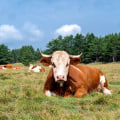
- Cattle: They are large grazers that can help manage grass height and promote new growth.
- Sheep: Their selective grazing habits can control weeds and improve pasture quality.
- Goats: Known for their ability to clear brush and invasive plants, goats are excellent for land reclamation.
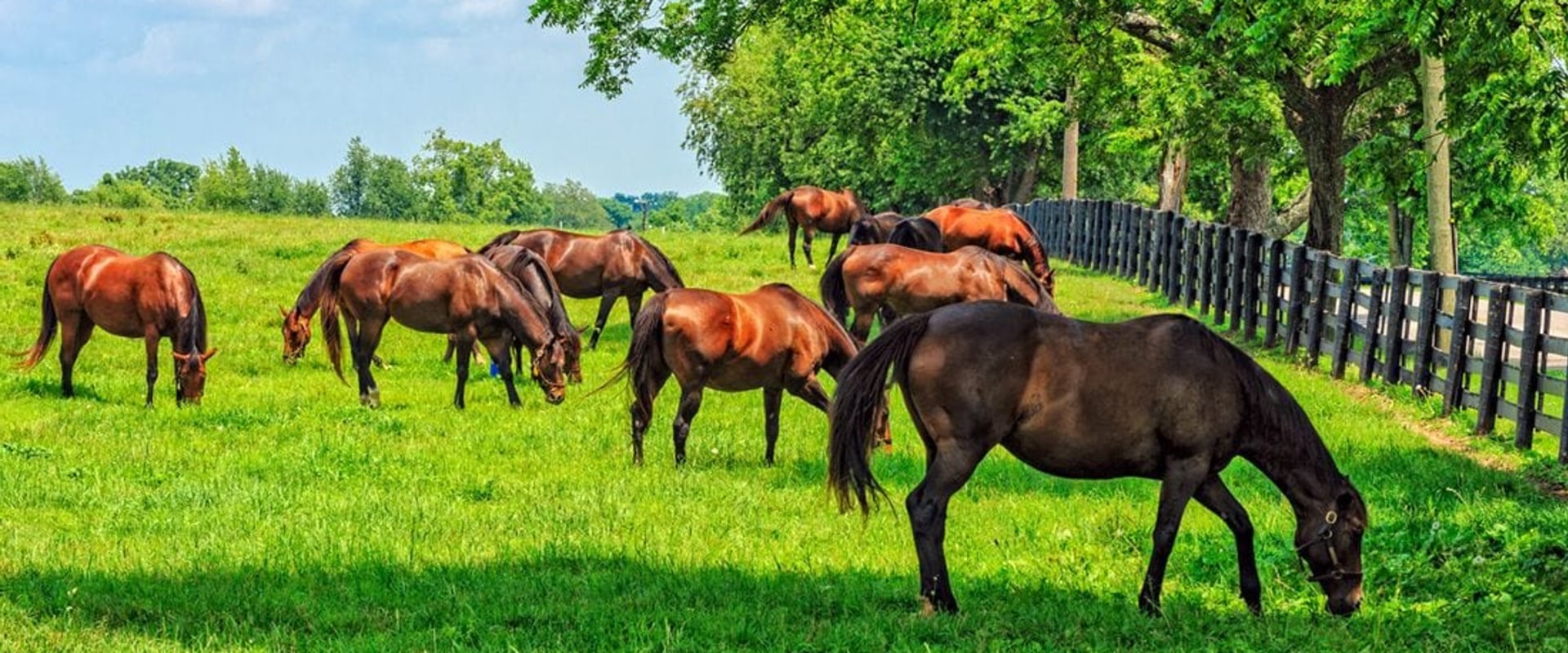
- Horses: They graze differently than cattle and can help maintain a diverse plant community.
How do grazing animals improve soil health?
Grazing animals contribute to soil health in several ways:- Nutrient Cycling: Their manure adds organic matter and nutrients back into the soil, enhancing fertility.
- Soil Aeration: The movement of animals helps to aerate the soil, improving water infiltration and root growth.
- Diversity Promotion: Grazing encourages a variety of plant species, which can lead to a more resilient ecosystem.
What are some tips for effective pasture care using grazing animals?
To maximize the benefits of grazing animals in pasture management, consider the following tips:- Rotate Grazing: Implement a rotational grazing system to prevent overgrazing and allow pastures time to recover.
- Monitor Pasture Health: Regularly assess pasture conditions to determine when to move animals or adjust grazing patterns.
- Diverse Planting: Encourage a mix of grasses and legumes to provide balanced nutrition for the animals and improve soil health.