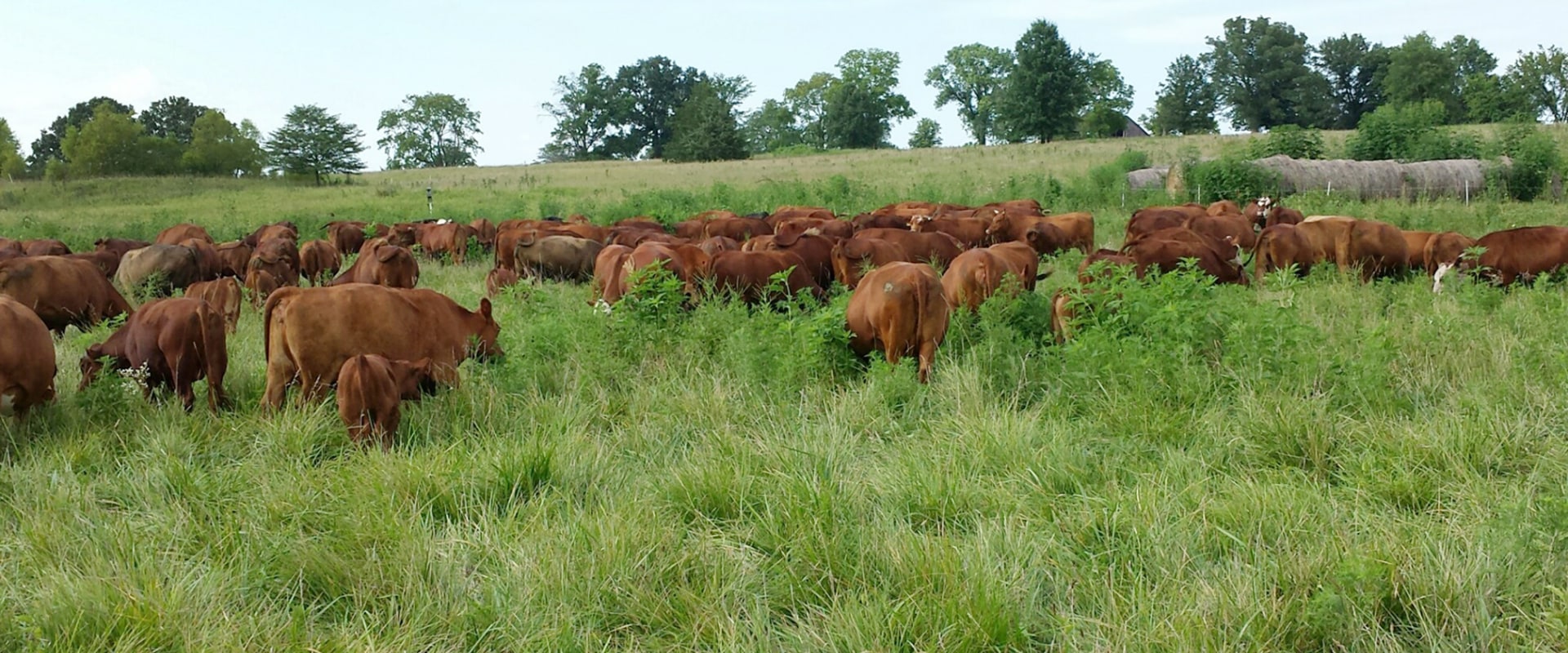
Pasture management is a critical aspect of sustainable agriculture that focuses on the careful planning and maintenance of grazing lands. At its core, pasture management involves the strategic use of land to optimize the growth of forage plants while ensuring the health and productivity of livestock. This practice not only enhances the quality of the pasture but also contributes to the overall efficiency of agricultural operations. The importance of pasture management cannot be overstated. Effective management practices lead to improved soil health, increased biodiversity, and enhanced water retention, all of which are essential for maintaining a resilient ecosystem.
By implementing techniques such as rotational grazing, soil testing, and proper fertilization, farmers can create a sustainable environment that supports both livestock and wildlife. Furthermore, well-managed pastures can significantly reduce feed costs and improve animal welfare by providing high-quality forage. In essence, understanding pasture management is vital for anyone involved in agriculture. It encompasses a range of practices aimed at maximizing productivity while minimizing environmental impact. As we delve deeper into this topic, we will explore various strategies and their implications for both farmers and the broader agricultural community.
Benefits of Effective Pasture Management
Effective pasture management is crucial for maximizing the productivity and sustainability of livestock operations.By implementing sound management practices, farmers can reap numerous benefits that extend beyond immediate economic gains. One of the primary advantages of effective pasture management is the improvement of soil health. Healthy pastures contribute to better soil structure, increased organic matter, and enhanced nutrient cycling. This not only supports plant growth but also helps in retaining moisture, reducing erosion, and promoting biodiversity within the soil ecosystem. Another significant benefit is the enhancement of livestock productivity. Well-managed pastures provide high-quality forage that meets the nutritional needs of grazing animals.
This leads to improved weight gain, better reproductive performance, and overall healthier livestock. In turn, this can result in higher profits for farmers due to increased meat or milk production. Moreover, effective pasture management plays a vital role in promoting environmental sustainability. By rotating grazing areas and allowing pastures to rest, farmers can prevent overgrazing and promote regrowth. This practice not only helps maintain the health of the pasture but also reduces the need for chemical fertilizers and pesticides, leading to a more sustainable farming system. In summary, the benefits of pasture management are multifaceted.
From improving soil health and enhancing livestock productivity to fostering environmental sustainability, effective management practices are essential for any successful agricultural operation. By prioritizing these practices, farmers can ensure long-term viability and resilience in their operations.
Key Principles of Pasture Management
Effective pasture management is essential for maintaining healthy grazing lands and ensuring sustainable livestock production. Understanding the key principles of pasture management can significantly enhance the productivity and longevity of your pastures.- Rotational Grazing: This technique involves moving livestock between different pasture areas to prevent overgrazing. By allowing pastures to rest and recover, rotational grazing promotes healthier grass growth and improves soil structure.
- Soil Fertility Management: Healthy soil is the foundation of productive pastures.
Regular soil testing helps determine nutrient needs, allowing for targeted fertilization. Incorporating organic matter, such as compost or manure, can enhance soil fertility and microbial activity.
- Diverse Plant Species: Planting a mix of grasses and legumes can improve pasture resilience. Diverse species can better withstand pests, diseases, and environmental stressors while providing a balanced diet for livestock.
- Water Management: Ensuring adequate water supply is crucial for both livestock health and pasture growth. Implementing water troughs or developing natural water sources can help maintain hydration levels in grazing areas.
- Pest and Weed Control: Regular monitoring for pests and invasive weeds is vital.
Integrated pest management strategies, including biological controls and targeted herbicide use, can help maintain pasture health without harming the ecosystem.
Challenges in Pasture Management
Effective pasture management is crucial for maintaining healthy grazing systems, yet it is often hindered by several significant challenges. Understanding these obstacles can help landowners and managers develop strategies to mitigate their impact.Overgrazing
One of the most pressing issues in pasture management is overgrazing. This occurs when livestock graze a pasture more intensively than it can recover, leading to soil degradation, reduced plant diversity, and increased erosion.Over time, overgrazed pastures can become less productive, requiring more inputs to maintain livestock health.
Invasive Species
The presence of invasive species poses another challenge. These non-native plants can outcompete native forage species, reducing the quality and quantity of available grazing material. Invasive species often thrive in disturbed environments, making it essential for pasture managers to monitor and control their spread actively.Climate Change Impacts
Climate change is also reshaping the landscape of pasture management. Altered precipitation patterns and increased temperatures can lead to droughts or flooding, both of which negatively affect pasture health.Managers must adapt their practices to cope with these changes, which may include adjusting grazing schedules or implementing water conservation techniques.
Soil Health
Poor soil health is another common issue that complicates pasture management. Soil compaction, nutrient depletion, and erosion can all result from improper grazing practices. Regular soil testing and amendments are necessary to maintain optimal conditions for pasture growth.Economic Constraints
Finally, economic factors can limit effective pasture management. Many landowners face budget constraints that prevent them from investing in necessary improvements or technologies.This financial pressure can lead to short-term decision-making that undermines long-term pasture health. Addressing these challenges requires a comprehensive approach that includes education, planning, and community support. By recognizing and tackling these common issues, pasture managers can enhance the sustainability and productivity of their grazing systems.
Technological Innovations in Pasture Management
In recent years, technological innovations have revolutionized pasture management, enabling farmers to optimize their land use and improve livestock health. These advancements not only enhance productivity but also promote sustainable practices that are essential for the future of agriculture.Precision Agriculture Tools
One of the most significant developments in pasture management is the adoption of precision agriculture tools. These tools utilize GPS technology and remote sensing to monitor pasture conditions in real-time.By analyzing data on soil moisture, nutrient levels, and plant health, farmers can make informed decisions about when to irrigate, fertilize, or rotate grazing areas. This targeted approach minimizes waste and maximizes the efficiency of resource use.
Data Analytics and Management Software
The integration of data analytics into pasture management practices has also gained traction. Advanced software platforms allow farmers to collect and analyze vast amounts of data from their pastures. This information can include weather patterns, animal performance metrics, and historical grazing records.By leveraging this data, farmers can identify trends and make proactive adjustments to their management strategies.
Digital Tools for Monitoring
Moreover, digital tools such as mobile applications and online dashboards have made it easier for farmers to track pasture conditions on-the-go. These tools often feature user-friendly interfaces that provide insights into pasture health, allowing for timely interventions. For instance, alerts can be set up to notify farmers when pasture conditions fall below optimal levels, ensuring that livestock always have access to high-quality forage.In conclusion, the incorporation of technology in pasture management is transforming traditional farming practices. By embracing these innovations, farmers can enhance productivity while promoting environmental sustainability.As technology continues to evolve, it will undoubtedly play an even more critical role in shaping the future of pasture management.
Case Studies: Successful Pasture Management Practices
Effective pasture management is crucial for sustainable agriculture, and numerous case studies illustrate its benefits. Here are a few notable examples:1.The Holistic Management Approach in New Mexico
A ranch in New Mexico adopted a holistic management approach, focusing on rotational grazing. By dividing their pastures into smaller sections and rotating livestock through these areas, they observed a significant increase in grass health and biodiversity. This method not only improved soil quality but also enhanced water retention, leading to better drought resilience.2.Integrated Crop-Livestock Systems in Brazil
In Brazil, farmers implemented integrated crop-livestock systems where cattle grazed on cover crops after the harvest of cash crops.This practice reduced soil erosion and improved nutrient cycling. The farmers reported a 30% increase in overall productivity while maintaining soil health, demonstrating the effectiveness of pasture management in enhancing farm sustainability.
3.The Use of Technology in Australia
An Australian farm utilized technology to monitor pasture growth and livestock health. By employing drones and satellite imagery, they could assess pasture conditions in real-time, allowing for timely interventions. This data-driven approach led to optimized grazing patterns and reduced feed costs by 20%, showcasing how modern tools can enhance traditional pasture management practices.4.Community-Based Pasture Management in Kenya
A community in Kenya established a cooperative to manage communal pastures effectively.By implementing rules for grazing times and areas, they reduced overgrazing and improved pasture recovery rates. This collaborative effort not only increased forage availability but also strengthened community ties, highlighting the social benefits of effective pasture management.These case studies exemplify how diverse strategies in pasture management can lead to improved agricultural outcomes, environmental sustainability, and community resilience. By learning from these real-world applications, farmers can adopt best practices tailored to their specific conditions.
Frequently Asked Questions about Pasture Management
Understanding pasture management is crucial for anyone involved in livestock farming or land stewardship. Here are some frequently asked questions that can help clarify common misconceptions and provide practical insights.- What is pasture management?
Pasture management refers to the systematic approach of maintaining and improving pastureland to optimize forage production and animal health.This includes practices such as rotational grazing, soil fertility management, and weed control.
- Why is pasture management important?
Effective pasture management enhances the sustainability of grazing systems, improves soil health, and increases the productivity of livestock. Well-managed pastures can also reduce feed costs and improve animal welfare. - How can I manage my pastures effectively?
To manage pastures effectively, consider the following strategies:
- Rotational Grazing: Move livestock between different pasture areas to prevent overgrazing and allow for regrowth.
- Soil Testing: Regularly test soil to determine nutrient needs and apply fertilizers accordingly.
- Diversity of Forages: Plant a mix of grasses and legumes to improve soil structure and provide balanced nutrition for animals.
- Pest Management: Monitor for pests and diseases, using integrated pest management strategies to minimize chemical use.
Conclusion: The Future of Pasture Management
In conclusion, pasture management is not just a practice; it is a vital component of sustainable agriculture that impacts both the environment and the economy. Throughout this article, we have explored the multifaceted benefits of effective pasture management, including improved soil health, enhanced biodiversity, and increased livestock productivity.As we look to the future, it is essential to recognize that the challenges facing agriculture—such as climate change, soil degradation, and water scarcity—demand a proactive approach to pasture management. By implementing best practices such as rotational grazing, soil testing, and native plant restoration, farmers can create resilient ecosystems that support both their livelihoods and the planet.- Soil Health: Healthy pastures contribute to better soil structure and fertility, which are crucial for sustainable crop production.
- Biodiversity: Diverse pasture systems promote a variety of plant and animal species, enhancing ecosystem stability.
- Economic Viability: Well-managed pastures can lead to higher yields and reduced feed costs, improving overall farm profitability.
Farmers must stay informed about new research and technologies that can enhance their pasture systems. Collaboration with agricultural extension services and participation in community-based initiatives can also foster innovation and share valuable insights.Ultimately, the future of pasture management lies in our ability to balance productivity with ecological stewardship. By prioritizing sustainable practices today, we can ensure that our pastures remain productive and healthy for generations to come.