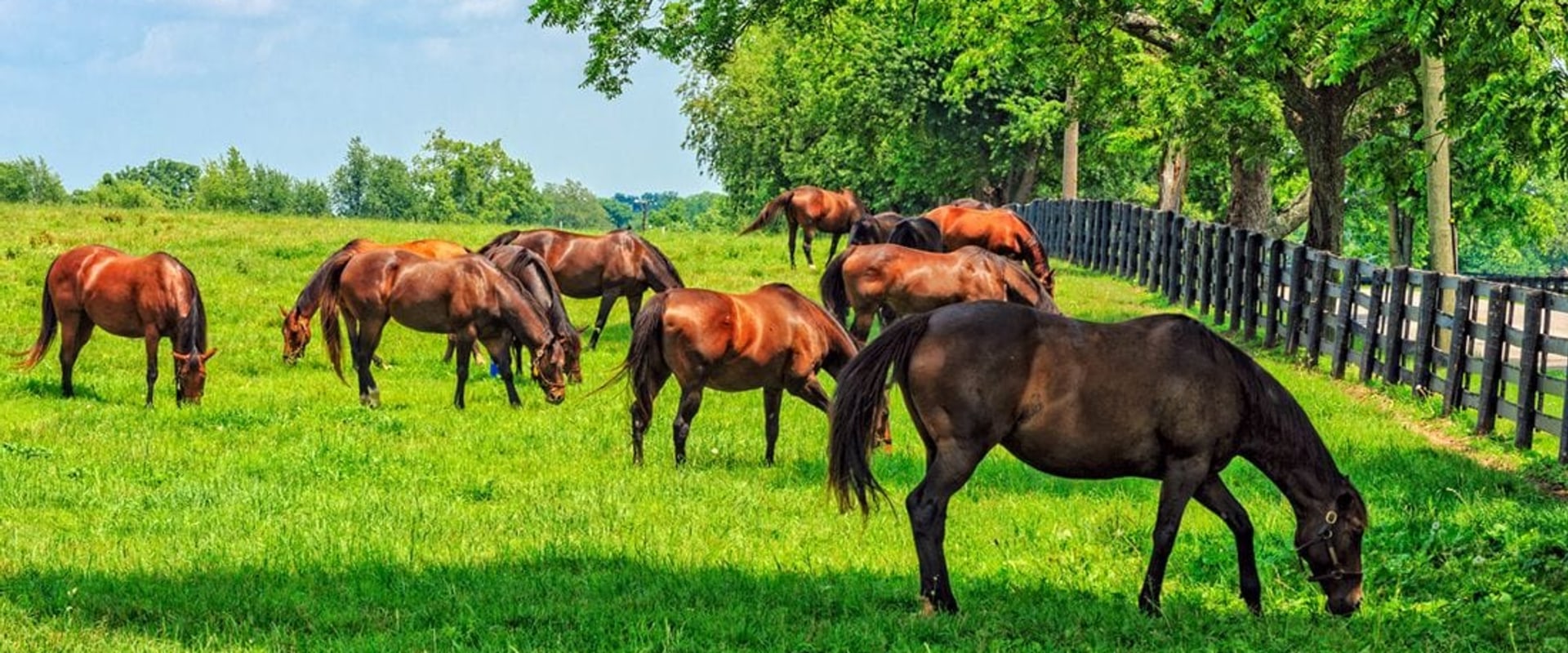
Understanding overgrazing is crucial for effective pasture management, as it directly influences the health and sustainability of grazing lands. Overgrazing occurs when livestock graze a particular area of pasture beyond its capacity to regenerate, leading to a decline in plant health and soil quality. This phenomenon not only affects the immediate availability of forage but also has long-term implications for the ecosystem, including soil erosion, loss of biodiversity, and decreased water retention. The impact of overgrazing extends beyond the visible damage to the pasture. It disrupts the delicate balance of nutrients in the soil, making it harder for plants to recover and thrive.
As a result, farmers and land managers must adopt strategic pasture management practices to mitigate these effects. This includes rotational grazing, where livestock are moved between different pastures to allow for recovery time, and monitoring pasture health to ensure that grazing pressure is kept within sustainable limits. In essence, recognizing the signs of overgrazing and understanding its consequences is vital for anyone involved in pasture management. By prioritizing sustainable practices, land managers can not only enhance the productivity of their pastures but also contribute to the overall health of the environment. This introductory exploration sets the stage for a deeper dive into specific strategies and solutions that can help combat overgrazing and promote resilient pasture ecosystems.
What is Overgrazing?
Overgrazing occurs when livestock graze a particular area of pasture too intensively, preventing the vegetation from recovering adequately.This phenomenon can lead to a range of negative consequences for both the land and the animals that depend on it. Understanding the definition and causes of overgrazing is essential for effective pasture management.
Definition of Overgrazing:
Overgrazing is characterized by the excessive consumption of grass and other forage plants by grazing animals. When animals graze beyond the sustainable capacity of the land, it can result in the depletion of plant roots, soil erosion, and a decline in overall pasture health. This not only affects the immediate area but can also have long-term implications for soil fertility and biodiversity.Causes of Overgrazing
- High Stocking Rates: One of the primary causes of overgrazing is having too many animals on a given piece of land.
When livestock numbers exceed the land's carrying capacity, it leads to overconsumption of available forage.
- Poor Pasture Management: Inadequate planning and management practices can exacerbate overgrazing. This includes failing to rotate grazing areas or not allowing sufficient recovery time for pastures.
- Environmental Factors: Drought or extreme weather conditions can limit forage growth, making it easier for grazing animals to overconsume what little vegetation is available.
- Lack of Knowledge: Farmers and ranchers who are not well-versed in pasture management techniques may unintentionally allow their livestock to overgraze.
The Impact of Overgrazing on Pasture Health
Overgrazing occurs when livestock graze on pastureland beyond its capacity to regenerate, leading to significant negative consequences for pasture health. One of the most immediate effects of overgrazing is soil degradation.When animals excessively graze, they remove the protective vegetation cover that helps maintain soil structure and fertility. This can result in increased erosion, as the topsoil is washed or blown away, leading to a decline in soil quality and nutrient availability.Additionally, overgrazing can severely impact the biodiversity of pasture ecosystems. Healthy pastures typically support a variety of plant species, which contribute to a balanced ecosystem. However, when overgrazing occurs, more resilient species may dominate, while less hardy plants are eliminated.
This loss of diversity not only affects the aesthetic value of the landscape but also reduces the resilience of the pasture to pests and diseases.Another critical aspect affected by overgrazing is forage quality. As desirable forage species are depleted, livestock may be forced to consume lower-quality plants that do not provide adequate nutrition. This can lead to decreased animal health and productivity, ultimately impacting the profitability of pasture-based farming operations.To mitigate these effects, effective pasture management practices are essential. Implementing rotational grazing systems can allow pastures time to recover and regenerate, promoting healthier soils and more diverse plant communities.
Additionally, monitoring grazing pressure and adjusting livestock numbers according to pasture conditions can help maintain a sustainable balance.In summary, the impact of overgrazing on pasture health is profound, leading to soil degradation, loss of biodiversity, and reduced forage quality. By understanding these effects and adopting better management practices, landowners can protect their pastures and ensure long-term sustainability.
Economic Consequences of Overgrazing
Overgrazing can have significant economic consequences for farmers and ranchers, impacting their overall pasture management strategies and profitability. When livestock graze excessively on a pasture, it leads to the degradation of the land, which can result in reduced forage quality and quantity. This decline directly affects the productivity of the farm.One of the primary economic impacts of overgrazing is the increased cost of feed.As pastures become less productive, farmers may need to supplement their livestock's diet with purchased feed, which can be significantly more expensive than grazing on healthy pastures. This added expense can quickly erode profit margins.Moreover, overgrazing can lead to soil erosion and loss of soil fertility. The cost of rehabilitating degraded land can be substantial, requiring investments in reseeding, fertilization, and other restoration practices. These costs can accumulate over time, further straining a farmer's financial resources.
- Decreased Livestock Health: Poor pasture conditions can lead to health issues in livestock, resulting in increased veterinary costs and lower productivity.
- Lower Market Value: Animals raised on overgrazed pastures may not reach optimal weight or health standards, leading to lower prices at market.
- Reduced Land Value: Land that has been overgrazed may lose its value, making it difficult for farmers to sell or leverage their property for loans.
It encompasses long-term financial implications that can jeopardize the sustainability of farming operations. By understanding these economic consequences, farmers can make informed decisions about their grazing practices and implement better pasture management strategies to protect their livelihoods.
Strategies for Effective Pasture Management to Prevent Overgrazing
Effective pasture management is crucial for preventing overgrazing, which can lead to soil degradation, reduced forage quality, and loss of biodiversity. Implementing strategic practices can help maintain healthy pastures and ensure sustainable grazing.1.Rotational Grazing
One of the most effective strategies is rotational grazing. This method involves dividing pastures into smaller sections and rotating livestock between them.By allowing certain areas to rest and recover, plants can regenerate, leading to improved soil health and increased forage availability.
2.Proper Stocking Rates
Maintaining appropriate stocking rates is essential for effective pasture management. Overcrowding can lead to overgrazing, while underutilization can result in wasted resources. Regularly assessing the carrying capacity of your land based on forage growth and livestock needs will help optimize grazing.3.Monitoring Pasture Health
Regular monitoring of pasture health is vital. This includes observing plant growth, soil condition, and animal performance.By keeping track of these factors, you can make informed decisions about when to rotate pastures or adjust stocking rates.
4.Implementing Sustainable Practices
Incorporating sustainable grazing practices such as cover cropping, integrated pest management, and soil conservation techniques can enhance pasture resilience. These practices not only improve soil structure but also promote biodiversity, which is essential for a balanced ecosystem.5.Educating Livestock Managers
Finally, educating livestock managers about the principles of sustainable grazing and the impacts of overgrazing is crucial. Workshops, training sessions, and resources can empower them to implement effective pasture management strategies that benefit both the land and livestock. By adopting these strategies, farmers and ranchers can significantly reduce the risk of overgrazing while promoting a sustainable approach to pasture management.Monitoring and Assessing Pasture Conditions
Effective pasture management hinges on the ability to monitor and assess pasture conditions regularly. This process not only helps in identifying the health of the pasture but also in making informed decisions that promote sustainability.Monitoring Pasture Health
Regular monitoring of pasture health involves observing various indicators that reflect the overall condition of the land.Key aspects to consider include:
- Plant Diversity: A diverse plant community is a sign of a healthy pasture. Monitoring the variety of species present can indicate how well the ecosystem is functioning.
- Soil Quality: Healthy soil is crucial for robust pasture growth. Testing soil pH, nutrient levels, and organic matter content can provide insights into soil health.
- Forage Availability: Assessing the quantity and quality of forage available helps determine if grazing pressure is appropriate or if adjustments are needed.
Assessing Grazing Impact
Understanding how grazing affects pasture conditions is vital for sustainable management. Key methods for assessing grazing impact include:- Utilization Rates: Measuring how much forage is consumed by livestock can help gauge whether pastures are being overgrazed or underutilized.
- Visual Assessments: Regularly walking through pastures to visually inspect plant health, soil erosion, and signs of compaction can provide immediate feedback on grazing practices.
- Photographic Records: Taking periodic photographs of specific areas can help track changes over time, making it easier to identify trends in pasture health.
Pasture Assessment Techniques
A variety of techniques can be employed to assess pasture conditions effectively:- Quadrat Sampling: This method involves placing a square frame on the ground to measure plant density and species composition within a defined area.
- Clip and Weigh Method: By clipping forage samples and weighing them, managers can estimate biomass production and determine if it meets livestock needs.
- Soil Testing: Conducting soil tests at regular intervals helps in understanding nutrient availability and guiding fertilization practices.
Case Studies: Successful Pasture Management Practices
Effective pasture management is crucial for maintaining healthy ecosystems and ensuring sustainable livestock production.Here are some real-world case studies that highlight successful practices in mitigating the impacts of overgrazing.
Case Study 1: Holistic Management in New Mexico
A ranch in New Mexico adopted holistic management practices, focusing on rotational grazing. By dividing their pastures into smaller sections and rotating livestock through these areas, they allowed grasslands to recover between grazing periods. This method not only improved soil health but also increased biodiversity, leading to a more resilient ecosystem.Case Study 2: Agroforestry in Oregon
In Oregon, a farmer integrated agroforestry with traditional pasture management. By planting trees alongside pastures, the farmer created shaded areas for livestock, which reduced heat stress and improved animal welfare.The trees also provided additional forage and habitat for wildlife, enhancing the overall productivity of the land.
Case Study 3: Controlled Grazing in Australia
An Australian ranch implemented controlled grazing techniques to combat overgrazing. By using temporary fencing and water troughs, they managed livestock access to specific areas. This approach allowed for targeted grazing, which helped maintain grass cover and reduced soil erosion. As a result, the ranch saw a significant increase in pasture quality and quantity.Case Study 4: Community-Based Pasture Management in Kenya
A community in Kenya established a cooperative model for pasture management, where local farmers shared resources and knowledge.They developed a rotational grazing system that involved communal decision-making on pasture use. This collaboration not only improved pasture health but also strengthened community ties and resilience against climate variability.These case studies demonstrate that innovative and collaborative approaches to pasture management can effectively address the challenges posed by overgrazing. By learning from these examples, other farmers can adopt similar strategies to enhance their own pasture health and productivity.
Frequently Asked Questions about Overgrazing and Pasture Management
Understanding overgrazing and its effects on pasture management is crucial for maintaining healthy grazing systems. Here are some frequently asked questions that can help clarify common misconceptions:What is overgrazing?
Overgrazing occurs when livestock graze a pasture to the point that it cannot recover, leading to soil degradation and reduced plant health.This often results from excessive stocking rates or inadequate pasture rotation.
How does overgrazing affect pasture management?
Overgrazing can severely impact pasture management by:- Decreasing soil fertility: Continuous grazing can lead to soil compaction and nutrient depletion.
- Reducing biodiversity: Overgrazed areas often see a decline in plant species, which can disrupt the ecosystem.
- Increasing erosion: With fewer plants to hold the soil, erosion becomes more prevalent, further degrading the land.
What are some common myths about overgrazing?
- Myth 1: All grazing is bad for pastures. This is false; managed grazing can actually improve pasture health.
- Myth 2: Overgrazing only affects the visible parts of plants. The root systems are also damaged, which can take years to recover.
- Myth 3: Once overgrazing occurs, recovery is impossible. This is not true; with proper management practices, pastures can be rehabilitated.
Conclusion: Key Takeaways on Overgrazing and Pasture Management
Understanding overgrazing is crucial for effective pasture management.This practice not only affects the health of the pasture but also has broader implications for livestock productivity and environmental sustainability.Here are the key takeaways regarding overgrazing and its impact on pasture management:
- Definition and Causes: Overgrazing occurs when livestock graze a pasture beyond its capacity to regenerate. This can be caused by high stocking rates, inadequate pasture rotation, and lack of proper management practices.
- Soil Health: Overgrazing leads to soil compaction and erosion, which diminishes soil fertility. Healthy soil is essential for robust plant growth, making it vital to monitor grazing patterns.
- Plant Diversity: Continuous overgrazing can reduce plant diversity, favoring less desirable species that are more resilient to grazing pressure. This shift can disrupt the ecosystem balance.
- Livestock Health: Poor pasture conditions resulting from overgrazing can lead to nutritional deficiencies in livestock, affecting their overall health and productivity.
- Sustainable Practices: Implementing rotational grazing, maintaining appropriate stocking rates, and allowing pastures to rest are effective strategies to combat overgrazing.
These practices promote healthier pastures and improve long-term sustainability.