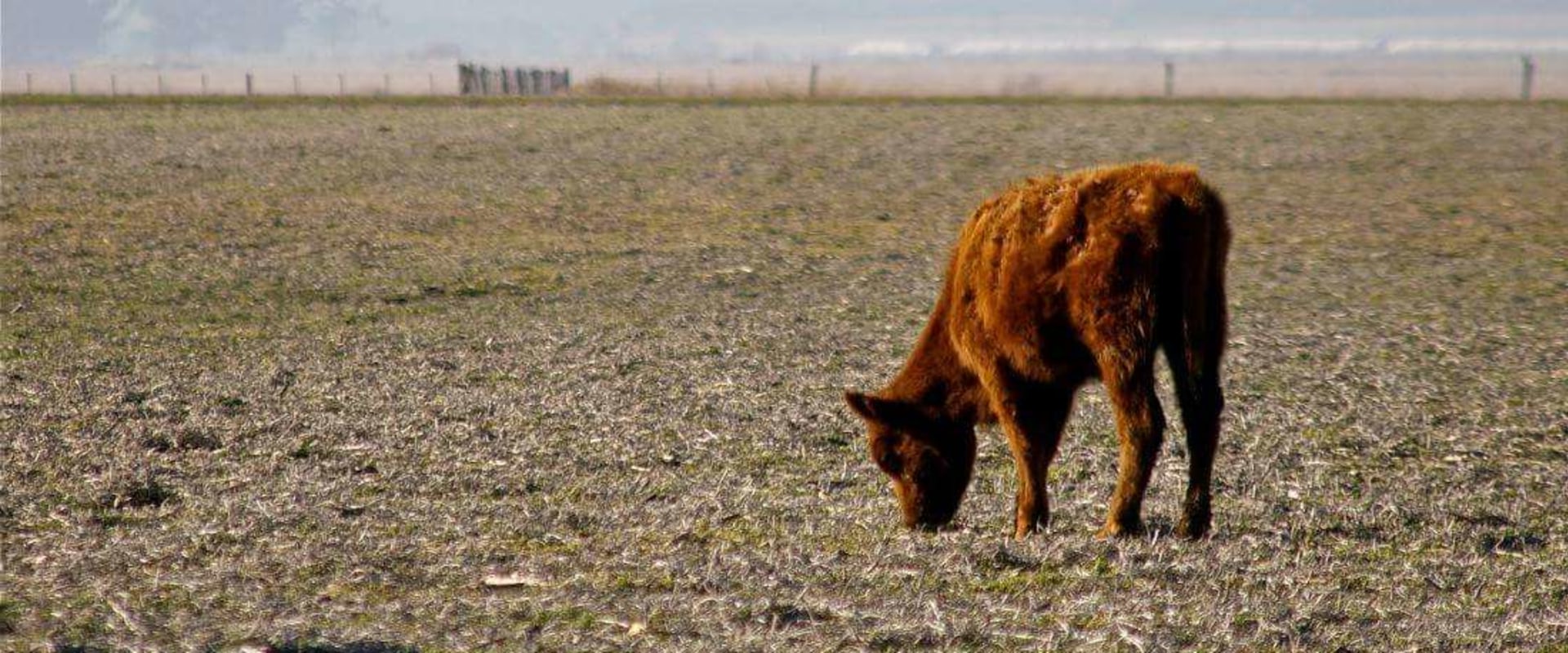
Drought is a prolonged period of abnormally low rainfall, leading to significant water shortages that can severely impact agricultural practices, particularly pasture management. During these dry spells, the health and productivity of pastures can decline rapidly, affecting not only the grasslands themselves but also the livestock that depend on them for sustenance. Understanding the nuances of how drought affects pasture health is essential for farmers and ranchers aiming to maintain their operations during challenging climatic conditions. As moisture levels drop, the growth of grasses and other forage plants slows down, leading to reduced biomass and nutritional quality. This decline can result in overgrazing, as animals may consume available forage more aggressively, further stressing the already weakened pasture ecosystem.
Additionally, drought can exacerbate soil erosion and compaction, diminishing the land's ability to recover even after normal rainfall resumes. Recognizing these effects is crucial for implementing effective pasture management strategies that can mitigate damage and promote resilience. Moreover, the impact of drought extends beyond immediate pasture health; it also influences grazing patterns and livestock performance. Animals may experience weight loss or health issues due to inadequate nutrition, which can lead to decreased productivity and increased veterinary costs. Therefore, understanding the multifaceted effects of drought on pastures is vital for developing proactive management plans that ensure sustainability and profitability in the face of climate variability.
Assessing Pasture Condition Before Drought
Before a drought strikes, it is crucial to conduct a thorough pasture assessment to understand the current health and productivity of your grazing lands.This evaluation will help you make informed decisions about pre-drought pasture management strategies.
Evaluating Soil Health
- Soil Testing: Begin with a comprehensive soil test to determine nutrient levels, pH, and organic matter content. Healthy soil is foundational for robust pasture growth.
- Soil Structure: Assess the soil structure to ensure it allows for adequate water infiltration and root penetration. Compacted soils can hinder plant growth and exacerbate drought conditions.
- Moisture Retention: Evaluate the soil's ability to retain moisture. Soils rich in organic matter typically hold more water, which is vital during dry spells.
Assessing Forage Availability
- Forage Quantity: Measure the amount of available forage by conducting a visual assessment or using a pasture stick.
This will help you estimate how much grazing your livestock can sustain before the drought.
- Forage Quality: Analyze the nutritional quality of the forage. High-quality forage can better support livestock health during periods of limited availability.
- Diversity of Species: Consider the diversity of plant species in your pasture. A mix of grasses and legumes can improve resilience against drought by providing varied rooting depths and moisture utilization.
Implementing Drought-Resilient Pasture Management Practices
Managing pastures during drought conditions requires a strategic approach to ensure sustainability and resilience.Implementing drought-resilient practices is essential for maintaining pasture health and productivity. One effective method is rotational grazing, which involves moving livestock between different pasture areas. This practice allows for periods of rest and recovery for grazed pastures, enabling the grass to regrow and maintain its vigor. By preventing overgrazing, rotational grazing helps preserve soil structure and moisture retention, making pastures more resilient to drought. In addition to rotational grazing, employing soil conservation techniques can significantly enhance pasture resilience. Techniques such as cover cropping, no-till farming, and maintaining ground cover can improve soil health by increasing organic matter and enhancing water infiltration.
Healthy soils are better equipped to retain moisture, which is crucial during dry spells. Another important consideration is the selection of drought-resistant forage species. Choosing native or adapted plant varieties that require less water can lead to more sustainable pasture management. Species such as Bermudagrass, fescue, and alfalfa are known for their drought tolerance and can thrive under limited moisture conditions. Furthermore, implementing pasture recovery techniques after drought events is vital. This may include reseeding with drought-resistant species, applying fertilizers to boost growth, and managing grazing pressure to allow for adequate recovery time.
Monitoring pasture conditions regularly will help in making informed decisions about when to graze or rest specific areas. By integrating these practices into a comprehensive pasture management plan, landowners can enhance the resilience of their pastures against drought, ensuring long-term sustainability and productivity.
Water Management Strategies for Drought Conditions
Effective water management is crucial for maintaining healthy pastures during drought conditions. Implementing strategic irrigation techniques and conservation methods can significantly enhance the resilience of grazing lands.Irrigation Techniques
When considering irrigation options, it’s essential to choose methods that maximize water efficiency. Here are some effective techniques:- Drip Irrigation: This method delivers water directly to the root zone of plants, minimizing evaporation and runoff.
- Sprinkler Systems: Modern sprinkler systems can be programmed to operate during cooler parts of the day, reducing water loss due to evaporation.
- Soil Moisture Sensors: Utilizing sensors can help determine when and how much to irrigate, ensuring that water is applied only when necessary.
Water Conservation Methods
In addition to irrigation, implementing water conservation strategies is vital for sustaining pasture health during dry spells. Consider the following practices:- Mulching: Applying organic mulch around plants can help retain soil moisture and reduce evaporation.
- Cover Crops: Planting cover crops during off-seasons can improve soil structure and moisture retention, providing a buffer against drought.
- Grazing Management: Adjusting grazing patterns can prevent overgrazing, allowing pastures to recover and maintain their moisture levels.
Prioritizing efficient use of water resources will ensure that pastures remain productive even in challenging climatic conditions.
Nutritional Considerations for Livestock During Drought
During periods of drought, livestock nutrition becomes a critical concern for farmers and ranchers. As pastures become stressed and forage availability decreases, it is essential to implement effective feeding strategies to maintain the health and productivity of grazing animals.Assessing Forage Quality
- Before making any changes, evaluate the quality of available forage. Drought conditions can lead to lower nutrient content in grasses and legumes, which may not meet the dietary needs of livestock.
- Consider conducting a forage analysis to determine protein, energy, and mineral levels.
Alternative Feed Sources
- If pasture quality is insufficient, look for alternative feed sources such as hay, silage, or commercial feed mixes. These can provide the necessary nutrients that grazing animals require during dry spells.
- Utilizing by-products from other agricultural processes, like distillers grains or beet pulp, can also be a cost-effective way to supplement diets.
Nutritional Supplements
- In addition to alternative feeds, consider using nutritional supplements.
These can include protein blocks, mineral licks, or liquid supplements designed to enhance the diet of livestock during times of nutritional stress.
- Pay special attention to minerals such as calcium, phosphorus, and magnesium, which are crucial for maintaining overall health and productivity.
Water Availability
- Ensure that livestock have access to clean and adequate water supplies. Dehydration can exacerbate nutritional deficiencies and lead to serious health issues.
- Monitor water sources regularly to prevent contamination and ensure they are not running dry.
Monitoring and Adapting Management Plans During Drought
Effective pasture management during drought conditions requires a proactive approach that emphasizes continuous monitoring and timely adaptations to management plans. As drought progresses, the health of pastures can change rapidly, making it essential for land managers to stay vigilant.Monitoring Pasture Health
- Visual Assessments: Regularly inspect pastures for signs of stress, such as wilting plants, reduced growth, and increased bare ground.
These indicators can help identify areas that may need immediate attention.
- Soil Moisture Testing: Utilize soil moisture sensors or manual testing to gauge the moisture levels in the soil. This data is crucial for understanding how much water is available for plant growth.
- Plant Species Composition: Keep track of the types of grasses and forbs present in your pastures. Some species are more drought-resistant than others, and knowing their distribution can inform your management decisions.
Adapting Management Plans
- Adjusting Grazing Practices: Consider implementing rotational grazing to allow overgrazed areas time to recover. This strategy can help maintain pasture health and improve resilience against drought.
- Supplemental Feeding: During severe droughts, it may be necessary to provide supplemental feed to livestock to reduce pressure on pastures.
This can help preserve remaining forage and maintain animal health.
- Water Management: Ensure that water sources are adequate and accessible for livestock. In times of drought, water availability can become a limiting factor for both animal welfare and pasture recovery.
Ongoing Assessment During Drought
The situation in drought-affected areas can change frequently; therefore, ongoing assessment is critical. Regularly review your management strategies, taking into account weather forecasts and pasture conditions. Engaging with local agricultural extension services or drought management programs can provide valuable insights and resources to enhance your pasture management efforts.By prioritizing continuous monitoring and being willing to adapt your management plans, you can better navigate the challenges posed by droughts and promote the long-term sustainability of your pastures.
Post-Drought Recovery Strategies for Pastures
Recovering pastures after a drought requires a strategic approach to ensure long-term health and productivity.Implementing effective rehabilitation techniques is crucial for restoring pasture health and preparing for future challenges.
Assessing Damage
The first step in post-drought recovery is to assess the extent of the damage. This includes evaluating soil health, plant vigor, and the presence of invasive species. Conducting soil tests can provide valuable insights into nutrient levels and pH, which are essential for planning rehabilitation efforts.Re-seeding and Overseeding
One of the most effective ways to restore pastures is through re-seeding or overseeding. Choose drought-resistant grass species that are well-suited to your local climate.This not only helps in recovering the pasture but also enhances its resilience against future droughts. Timing is critical; aim to seed during optimal conditions, typically in early spring or fall.
Nutrient Management
After a drought, soil nutrients may be depleted. Implementing a nutrient management plan that includes the application of fertilizers can help restore soil fertility. Focus on organic amendments, such as compost or manure, which improve soil structure and water retention.Water Management
Effective water management strategies are essential for post-drought recovery.Consider implementing irrigation systems or rainwater harvesting techniques to ensure adequate moisture during critical growth periods. Additionally, creating contour beds or swales can help manage runoff and enhance water infiltration.
Long-term Planning
Finally, develop a long-term management plan that incorporates sustainable practices. This includes rotational grazing, which allows pastures time to recover between grazing periods, and maintaining diverse plant species to improve ecosystem resilience. Regular monitoring and adaptive management will ensure that your pastures remain healthy and productive in the face of future droughts.Frequently Asked Questions About Pasture Management During Droughts
Managing pastures during drought conditions raises several important questions for farmers and land managers.Here are some frequently asked questions that can help guide effective pasture management strategies during these challenging times.
What are the signs of drought stress in pastures?
Drought stress can manifest in various ways, including:- Color changes: Grass may turn brown or yellow, indicating a lack of moisture.
- Reduced growth: Pasture growth slows significantly, and plants may not recover after grazing.
- Soil cracks: Dry soil can lead to visible cracks, indicating severe moisture deficiency.
How can I maintain pasture health during a drought?
To maintain pasture health during dry spells, consider the following strategies:- Implement rotational grazing: This allows certain areas to rest and recover while others are grazed.
- Use drought-resistant forage species: Incorporating species that are more tolerant to dry conditions can improve resilience.
- Monitor soil moisture: Regularly check soil moisture levels to make informed decisions about irrigation and grazing.
Should I fertilize my pastures during a drought?
Fertilization during drought can be a double-edged sword. While it may promote growth, it can also lead to increased water demand. It’s generally advisable to:- Avoid heavy fertilization: Excessive nutrients can stress plants further in dry conditions.
- Focus on soil health: Consider applying organic matter or compost to improve soil structure and moisture retention.
What should I do if my pasture is severely damaged by drought?
If your pasture has suffered significant damage, take these steps:- Avoid overgrazing: Allow the pasture time to recover before grazing again.
- Reseed with appropriate species: Consider reseeding with drought-tolerant varieties to restore productivity.
- Consult with an agronomist: Professional advice can provide tailored solutions for your specific situation.