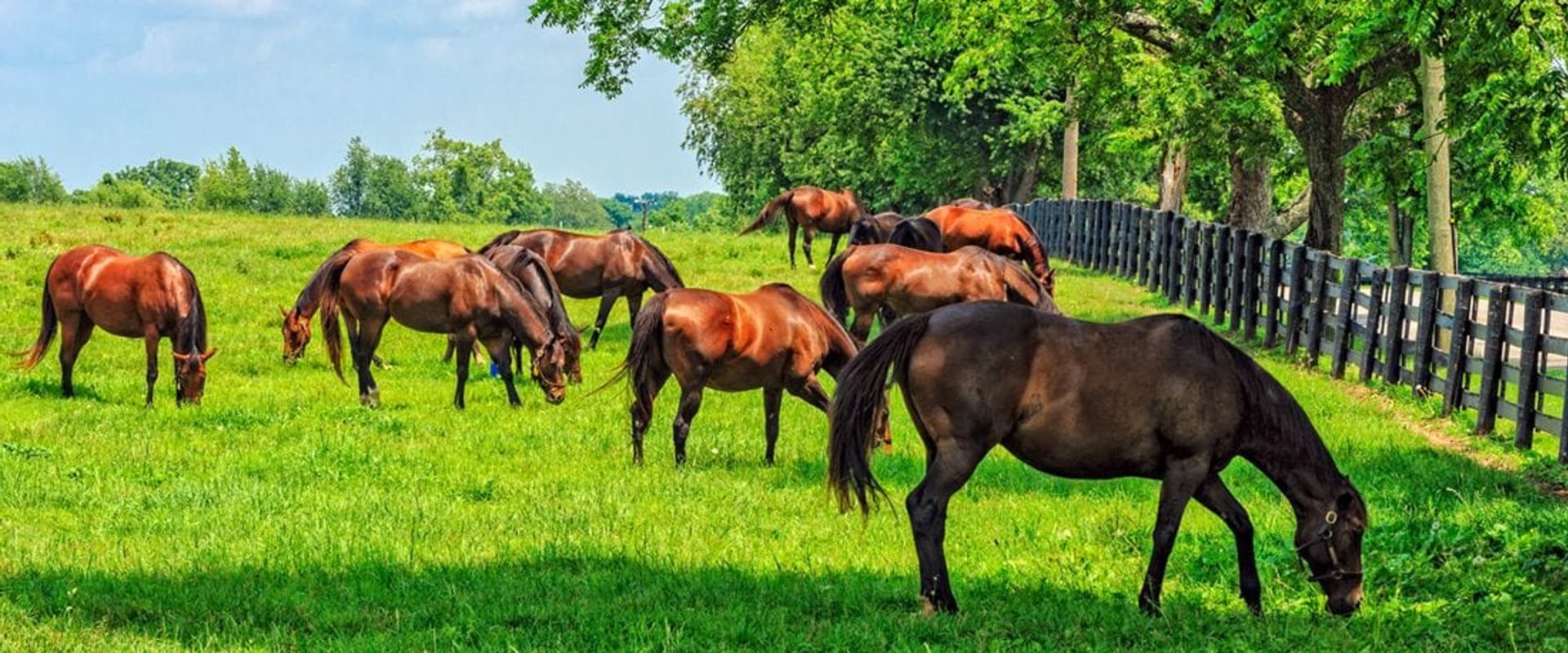
Pasture management is a critical aspect of sustainable agriculture that directly influences the health and productivity of livestock. It encompasses a range of practices aimed at maintaining and improving the quality of pastureland, ensuring that it can support grazing animals effectively. Understanding pasture management is essential for farmers and ranchers who wish to optimize their operations, as it not only affects animal welfare but also impacts the overall productivity of the farm. The importance of effective pasture management cannot be overstated. Healthy pastures provide essential nutrients to livestock, which in turn leads to better growth rates, improved reproductive performance, and enhanced milk production.
Furthermore, well-managed pastures contribute to soil health, reduce erosion, and promote biodiversity. By implementing sound management practices, farmers can create a resilient ecosystem that supports both their livestock and the environment. Good pasture management offers numerous benefits, including cost savings on feed and veterinary care, as healthy animals are less prone to disease. Additionally, it allows for more efficient use of land resources, maximizing the output from available acreage. As we delve deeper into this topic, it becomes crucial to recognize the signs of poor pasture management, which can lead to detrimental effects on both livestock and land health.
Identifying these signs early can help farmers take corrective actions to restore their pastures and ensure long-term sustainability.
Common Signs of Poor Pasture Management
Effective pasture management is crucial for maintaining healthy grazing lands, but several signs can indicate that a pasture is not being properly cared for. Recognizing these indicators early can help prevent further degradation and promote better land use practices.- Overgrazing: One of the most evident signs of poor pasture management is overgrazing. This occurs when livestock graze on the same area too frequently, preventing grass from recovering. Look for bare patches or areas where the grass is significantly shorter than in other parts of the pasture.
- Weed Proliferation: An increase in weeds often indicates that desirable forage species are struggling to thrive.
If you notice a rise in invasive plant species, it may be a sign that the pasture is not being managed effectively.
- Poor Soil Health: Healthy pastures require nutrient-rich soil. Signs of poor soil health include compaction, low organic matter, and poor drainage. Conducting soil tests can help identify these issues.
- Uneven Growth: If certain areas of the pasture are lush while others are sparse, this uneven growth can indicate inadequate management practices, such as improper fertilization or inconsistent grazing patterns.
- Lack of Diversity: A healthy pasture should have a mix of grasses and legumes. A lack of diversity can lead to reduced resilience against pests and diseases, making it a clear sign of neglect in pasture care.
Overgrazing: A Major Red Flag
One of the most significant indicators of poor pasture management is overgrazing.This occurs when livestock graze on a pasture for too long or too intensively, preventing the grass from recovering. The effects of overgrazing can be detrimental not only to the immediate health of the pasture but also to the long-term sustainability of the land.
Effects of Overgrazing:
- Soil Compaction: Overgrazing leads to soil compaction, which reduces the soil's ability to absorb water and nutrients. This can result in poor plant growth and increased runoff.
- Loss of Plant Diversity: Continuous grazing pressure can favor certain species of grass while eliminating others, leading to a decline in biodiversity. This lack of diversity can make the pasture more susceptible to pests and diseases.
- Erosion: With less vegetation to hold the soil in place, overgrazed pastures are more prone to erosion.
This not only depletes the topsoil but also contributes to sedimentation in nearby water bodies.
- Weed Infestation: Overgrazed areas often see an increase in weed populations, as native grasses are unable to compete with aggressive weed species. Weeds can further degrade pasture quality and reduce forage availability.
Signs of Overgrazing:
- Bare Patches: Look for areas where the ground is exposed and devoid of grass cover. These bare patches indicate that the vegetation has been removed faster than it can regenerate.
- Short Grass Height: If the grass is consistently shorter than expected for the season, it may be a sign that livestock are grazing too heavily.
- Increased Soil Erosion: Visible signs of erosion, such as gullies or loss of topsoil, are clear indicators that overgrazing is occurring.
- Pest Problems: An uptick in pest populations can signal that overgrazing has weakened plant health, making them more vulnerable to infestations.
Weed Infestation and Its Implications
Weed infestation is a clear indicator of poor pasture management.When weeds dominate a pasture, they can outcompete desirable forage species for nutrients, water, and sunlight, leading to reduced pasture productivity and quality. Recognizing the signs of weed problems in pastures is crucial for effective management.Common signs of weed infestation include:
- Increased weed density: A noticeable rise in the number of weeds compared to desirable grasses and legumes.
- Reduced forage quality: Weeds often have lower nutritional value than cultivated forage species, which can affect livestock health.
- Patchy growth: Areas of the pasture may show uneven growth patterns, with some sections dominated by weeds.
- Changes in animal behavior: Livestock may avoid grazing in heavily infested areas, leading to overgrazing in other parts of the pasture.
- Regular monitoring: Conduct frequent inspections to identify weed species and assess their impact on pasture health.
- Cultural practices: Implement practices such as rotational grazing and maintaining proper soil fertility to promote healthy forage growth that can outcompete weeds.
- Mechanical control: Mowing or tilling can help reduce weed seed production and limit their spread.
- Chemical control: Use herbicides judiciously, targeting specific weed species while minimizing harm to desirable plants. Always follow local regulations and guidelines.
Soil Health and Nutrient Deficiencies
Maintaining soil health is crucial for effective pasture management. Healthy soil supports robust plant growth, which in turn provides quality forage for livestock.When soil health declines, it can lead to a range of issues that signal poor pasture management. One of the primary indicators of soil health is its nutrient content.
Nutrient deficiencies
can manifest in various ways:- Poor Plant Growth: If plants are stunted or exhibit yellowing leaves, it may indicate a lack of essential nutrients such as nitrogen, phosphorus, or potassium.
- Weed Proliferation: An increase in weed species often suggests that the desired forage plants are struggling due to nutrient imbalances or poor soil structure.
- Soil Erosion: Compacted or poorly structured soil is more susceptible to erosion, which can wash away vital nutrients and further degrade pasture quality.
- Regular Soil Testing: Conducting soil tests helps identify nutrient deficiencies and pH imbalances, allowing for targeted amendments.
- Crop Rotation: Rotating different types of forage can enhance soil fertility and reduce pest and disease pressures.
- Cover Crops: Planting cover crops during off-seasons can improve soil structure, prevent erosion, and add organic matter back into the soil.
Poor Water Management Practices
Effective water management is crucial for maintaining healthy pastures, as it directly influences the growth and sustainability of forage plants. When water supply is inadequate or poorly managed, several signs can indicate that your pasture is suffering.- Inconsistent Grass Growth: One of the most noticeable signs of poor water management is uneven or stunted grass growth. Areas of the pasture may appear dry and brown, while others may be lush and green.
This inconsistency often points to inadequate water distribution.
- Soil Erosion: Insufficient water can lead to soil erosion, particularly in areas where vegetation is sparse. Eroded soil not only reduces the land's productivity but also affects water retention capabilities.
- Puddles and Waterlogging: Conversely, poor drainage can result in waterlogging, where excess water accumulates in certain areas. This condition can suffocate roots and promote the growth of harmful pathogens.
- Weed Proliferation: Weeds often thrive in conditions where desirable forage plants struggle. If you notice an increase in weed populations, it may indicate that your pasture is not receiving adequate water or that the existing water supply is poorly managed.
- Animal Health Issues: Livestock depend on a consistent and clean water supply.
Signs of dehydration or health problems in animals can reflect underlying issues with pasture water management.
Lack of Rotation and Rest Periods
Effective pasture management is crucial for maintaining healthy grazing lands, and one of the most significant aspects of this is the practice of rotation and allowing adequate rest periods for pastures.When livestock graze continuously in the same area, it can lead to overgrazing, soil compaction, and a decline in pasture health.
The Importance of Pasture Rotation
- Improved Soil Health: Rotating pastures allows for natural recovery of the soil and plant life, promoting nutrient cycling and reducing erosion.
- Enhanced Forage Quality: Different plants have varying growth rates. By rotating pastures, you can ensure that your livestock have access to high-quality forage throughout the grazing season.
- Disease and Pest Management: Rotational grazing disrupts the life cycles of pests and diseases that thrive in continuously grazed areas.
Signs of Lack of Rotation
- Overgrazing: If you notice bare patches or a significant reduction in plant cover, it’s a clear sign that your pastures are being overgrazed.
- Weed Proliferation: A lack of rotation can lead to an increase in weeds, as desirable forage species are diminished.
- Poor Soil Structure: Compacted soil can result from continuous grazing, leading to poor water infiltration and root development.
The Role of Rest Periods
Rest periods are equally important in pasture management. Allowing pastures to rest enables plants to recover and regenerate. Without sufficient rest, plants may not have enough time to regrow before being grazed again, leading to weakened root systems and reduced forage quality.In conclusion, neglecting rotation and rest periods can have detrimental effects on pasture health.
Implementing these practices not only enhances the sustainability of your grazing system but also contributes to the overall productivity of your livestock operation.
Animal Health Indicators Related to Pasture Management
Effective pasture management is crucial for maintaining the health of livestock. When pastures are poorly managed, it can lead to a variety of health issues in animals. Recognizing the signs of unhealthy livestock is essential for timely intervention and care.Signs of Unhealthy Livestock Due to Pasture Issues
- Weight Loss: Animals grazing on depleted pastures may not receive adequate nutrition, leading to noticeable weight loss.
- Poor Coat Condition: A dull, rough coat can indicate nutritional deficiencies often linked to inadequate pasture quality.
- Digestive Problems: Overgrazing can result in a lack of diverse forage, leading to digestive issues such as bloating or colic.
- Increased Illness: Livestock on poorly managed pastures may have weakened immune systems, making them more susceptible to diseases.
- Behavioral Changes: Animals may exhibit signs of stress or discomfort, such as excessive vocalization or restlessness, when their grazing environment is compromised.
Livestock Care Tips
To ensure the health of your livestock, consider the following pasture management practices:- Regular Pasture Assessment: Monitor pasture conditions frequently to identify areas that need improvement.
- Diverse Forage Options: Plant a variety of grasses and legumes to provide balanced nutrition and prevent overgrazing.
- Rotational Grazing: Implement rotational grazing systems to allow pastures time to recover and maintain their quality.
- Nutritional Supplements: Provide supplements when necessary to address any deficiencies in pasture forage.
- Water Access: Ensure that livestock have constant access to clean water, as hydration is vital for overall health.
FAQs About Pasture Management Issues
Understanding pasture management is crucial for maintaining healthy grazing lands. Here are some frequently asked questions that address common concerns and provide tips for better pasture care.What are the signs of poor pasture management?
- Overgrazing: This occurs when livestock graze a pasture too heavily, preventing grass from recovering.
Look for bare patches and reduced plant diversity.
- Weed Proliferation: An increase in weeds often indicates that desirable forage species are struggling. Weeds can outcompete native grasses, leading to further degradation.
- Poor Soil Health: Signs of compacted or eroded soil can indicate inadequate management practices. Healthy soil should be rich in organic matter and support diverse plant life.
- Water Runoff: Excessive runoff can lead to nutrient loss and erosion, suggesting that the pasture is not effectively absorbing water.
How can I improve my pasture management?
- Rotate Grazing: Implementing a rotational grazing system allows pastures to rest and recover, promoting healthier grass growth.
- Soil Testing: Regular soil tests can help you understand nutrient needs and pH levels, allowing for targeted amendments.
- Diverse Planting: Incorporating a variety of forage species can enhance resilience against pests and diseases while improving overall pasture health.
- Monitor Livestock Impact: Keep an eye on how livestock interact with the pasture. Adjust stocking rates based on the condition of the land to prevent overgrazing.
Conclusion: Improving Pasture Management Practices
In conclusion, recognizing the signs of poor pasture management is crucial for maintaining the health and productivity of livestock.Throughout this article, we have explored various indicators that can signal underlying issues in pasture care, such as overgrazing, weed proliferation, and soil degradation. Addressing these problems promptly can lead to significant improvements in both pasture quality and animal welfare.To enhance pasture management practices, consider implementing the following strategies:
- Regular Monitoring: Conduct frequent assessments of pasture conditions to identify any signs of distress early on.
- Rotational Grazing: Utilize rotational grazing techniques to prevent overgrazing and allow pastures time to recover.
- Diverse Planting: Introduce a variety of forage species to improve soil health and provide balanced nutrition for livestock.
- Soil Testing: Regularly test soil to determine nutrient levels and amend accordingly to support healthy plant growth.
- Weed Control: Implement effective weed management strategies to minimize competition for nutrients and water.