Effective pasture management is crucial for maintaining healthy livestock and sustainable land use. It involves a series of practices aimed at optimizing the growth and utilization of pasture resources. One of the most significant components of successful pasture management is the implementation of fencing. Fencing not only defines boundaries but also plays a pivotal role in controlling livestock movement, protecting pasture health, and enhancing overall productivity. The role of fencing in pasture management extends beyond mere containment.
It allows for rotational grazing, which is a method that promotes the recovery of grasslands by giving pastures time to regenerate after grazing. By strategically dividing pastures into smaller sections, farmers can manage grazing patterns more effectively, ensuring that livestock have access to fresh forage while preventing overgrazing in any one area. This practice not only improves the quality of the pasture but also contributes to soil health and biodiversity. Moreover, fencing provides numerous benefits that enhance the efficiency of pasture management. It helps in protecting young plants from being trampled or overgrazed, thereby allowing them to establish strong root systems.
Additionally, well-placed fences can deter wildlife from entering pastures, reducing competition for forage and minimizing damage to crops. In essence, fencing serves as a vital tool that supports sustainable practices and maximizes the potential of pasture lands.
The Basics of Pasture Management
Pasture management is a critical aspect of sustainable agriculture that focuses on the effective use and maintenance of pastureland to support livestock health and productivity. The primary goal of pasture management is to optimize the growth and quality of forage while ensuring the land remains healthy and productive over time.One of the key techniques in pasture management is rotational grazing. This method involves dividing pasture into smaller sections, allowing livestock to graze one area while giving others time to recover.This not only prevents overgrazing but also promotes even nutrient distribution across the land.Another important technique is soil management. Healthy soil is essential for robust pasture growth. Regular soil testing can help determine nutrient needs, enabling farmers to apply fertilizers and amendments effectively. Additionally, maintaining proper pH levels and organic matter content can significantly enhance pasture productivity.The importance of pasture management extends beyond just livestock health; it also plays a vital role in environmental sustainability.
Well-managed pastures can improve soil structure, reduce erosion, and enhance water retention. Furthermore, they contribute to biodiversity by providing habitats for various plant and animal species.In summary, effective pasture management encompasses various techniques aimed at optimizing forage quality and quantity while ensuring environmental sustainability. By implementing practices such as rotational grazing and soil management, farmers can enhance livestock productivity and promote a healthier ecosystem.
Types of Fencing Used in Pasture Management
Effective pasture management relies heavily on the type of fencing used to contain livestock and protect pasture resources. Different fencing materials and systems offer unique advantages and disadvantages, making it essential for farmers to choose wisely based on their specific needs.Types of Fencing Materials
- Barbed Wire: A traditional choice, barbed wire is durable and cost-effective.
It is suitable for larger pastures but may not be ideal for smaller animals, as it can cause injury.
- Wooden Fencing: Known for its aesthetic appeal, wooden fencing provides a strong barrier. However, it requires regular maintenance and can be expensive to install.
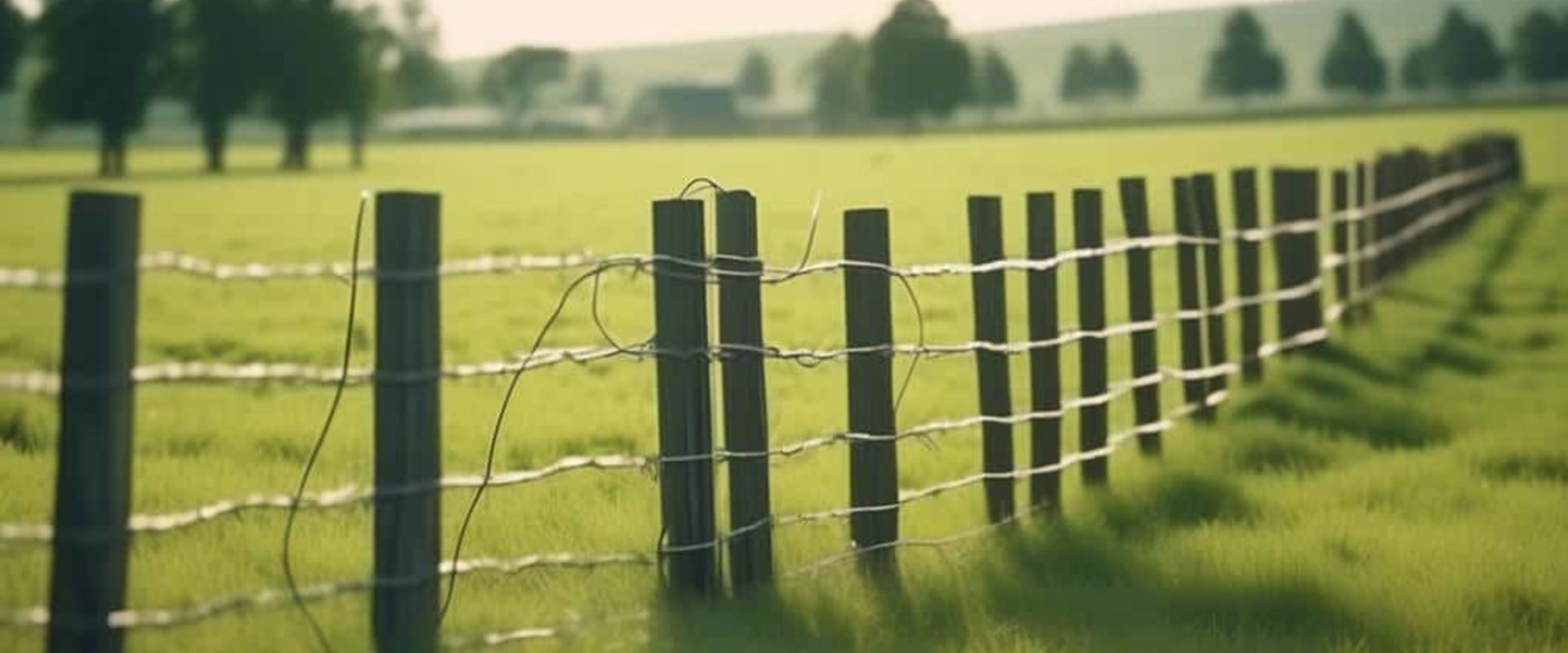
- High-Tensile Wire: This option is lightweight yet strong, making it a popular choice for larger areas. It can withstand tension and is less likely to sag over time.
- Electric Fencing: Increasingly popular in pasture management, electric fencing is effective for controlling livestock movement. It can be temporary or permanent and is often more affordable than traditional fencing options.
Electric vs.
Traditional FencingWhen comparing electric fencing to traditional options, several factors come into play:
- Cost: Electric fencing typically has lower initial costs and can be easier to install than wooden or barbed wire fences.
- Maintenance: Electric fences require less maintenance than wooden fences, which may rot or warp over time.
- Effectiveness: Electric fencing can deter animals more effectively due to the psychological barrier it creates, while traditional fencing may require additional measures to prevent breaches.
How Fencing Affects Grazing Patterns
Fencing plays a crucial role in pasture management by directly influencing the grazing patterns of livestock. The type and layout of fencing can determine how animals access different areas of pasture, which in turn affects their grazing behavior and the overall health of the land.One of the most effective strategies in pasture management is the implementation of rotational grazing. This method involves dividing pastures into smaller sections, or paddocks, using fencing.By rotating livestock between these paddocks, farmers can prevent overgrazing in any single area, allowing grass to recover and maintain its vigor. This not only improves the quality of the pasture but also enhances soil health and biodiversity.
The Impact of Fencing on Grazing
The impact of fencing on grazing is multifaceted. Properly designed fencing can:- Control access: By limiting where animals can graze, farmers can manage the duration and intensity of grazing in specific areas.
- Encourage even grazing: Fencing can help distribute livestock more evenly across a pasture, reducing the risk of overgrazing in favored spots.
- Protect sensitive areas: Fencing can be used to exclude livestock from vulnerable zones, such as riparian areas or newly seeded pastures, allowing these regions to thrive.
By understanding how fencing affects grazing patterns, farmers can make informed decisions that enhance both animal welfare and pasture productivity.
Fencing as a Tool for Pasture Health and Recovery
Effective pasture management is essential for maintaining the health and productivity of grazing lands. One of the most impactful tools in achieving this is proper fencing. By strategically using fencing, landowners can implement recovery strategies that significantly enhance pasture health.Fencing
allows for the creation of designated grazing areas, which can be rotated to prevent overgrazing. This practice not only protects the grass but also promotes a more diverse plant community, which is vital for soil health.When animals are confined to specific areas, it gives other sections of the pasture time to rest and recover, allowing grasses to regrow and replenish their root systems.Moreover, fencing can help manage the timing and intensity of grazing. By controlling when and how long livestock graze in a particular area, farmers can ensure that pastures are not depleted. This method is particularly effective during critical growth periods when plants need time to establish themselves.
- Rest Periods: Implementing rest periods through fencing allows for natural recovery processes to occur, leading to healthier pastures.
- Preventing Overgrazing: Fencing helps in preventing overgrazing by limiting access to certain areas until they are ready for grazing again.
- Soil Health: Healthy pastures contribute to better soil structure and fertility, which are crucial for sustainable pasture management.
Cost-Effectiveness of Fencing in Pasture Management
Investing in fencing for pasture management can initially seem daunting due to the upfront costs involved.However, understanding the long-term economic benefits can help farmers make informed decisions that enhance their operations.
Initial Costs of Fencing
- The cost of materials, such as wire, posts, and gates, can vary significantly based on the type of fencing chosen—whether it be barbed wire, electric, or high-tensile.
- Labor costs for installation should also be considered, as professional installation may increase initial expenses.
- Additional costs may include maintenance and repairs over time, which are essential for ensuring the longevity of the fencing.
Economic Benefits of Fencing
- Improved Pasture Utilization: Properly fenced pastures allow for rotational grazing, which can lead to healthier grasslands and increased forage availability.
- Enhanced Livestock Management: Fencing helps in managing livestock more effectively, reducing the risk of overgrazing and promoting better animal health.
- Reduced Feed Costs: By maximizing pasture use through effective fencing, farmers can lower their reliance on supplemental feed, leading to significant cost savings.
Return on Investment in Fencing
The return on investment (ROI) from fencing can be substantial. Farmers often find that the initial costs are offset by:
- Increased productivity from healthier pastures and livestock.
- Lower veterinary bills due to improved animal health.
- Potential for higher market prices for well-managed livestock.
Common Challenges and Solutions in Fencing for Pasture Management
Effective pasture management relies heavily on the integrity and functionality of fencing systems. However, farmers often encounter several challenges that can hinder their efforts. Understanding these challenges and implementing practical solutions is essential for maintaining healthy pastures.Common Fencing Challenges
- Weather Damage: Extreme weather conditions can lead to wear and tear on fencing materials, causing them to weaken or break.
- Wildlife Intrusion: Animals such as deer or rabbits can breach fences, leading to overgrazing and damage to pasture.
- Livestock Escapes: Poorly maintained or inadequate fencing can result in livestock escaping, which poses risks to both the animals and surrounding properties.
- Cost of Maintenance: Regular upkeep of fences can be costly and time-consuming, especially for larger farms.
Solutions for Fencing Issues
- Regular Inspections: Conduct routine checks to identify and repair any damage caused by weather or wildlife.
This proactive approach can prevent larger issues down the line.
- Use Durable Materials: Invest in high-quality fencing materials that are resistant to weather conditions and wildlife intrusion. Options like vinyl or treated wood can offer longevity.
- Wildlife Barriers: Installing additional barriers or using electric fencing can deter wildlife from entering pastures, protecting crops and livestock.
- Livestock Management Practices: Implement rotational grazing techniques to minimize pressure on specific areas, reducing the likelihood of escapes and overgrazing.
FAQs About Fencing and Pasture Management
When it comes to pasture management, fencing plays a crucial role in ensuring the health and productivity of your land. Here are some frequently asked questions that can help clarify the importance of fencing in this context.What types of fencing are best for pasture management?
- Barbed wire: Commonly used for larger livestock, it is durable and effective for boundary fencing.
- Electric fencing: Ideal for rotational grazing, it can be easily moved and adjusted to manage grazing patterns.
- Wooden fencing: Aesthetic and sturdy, it is often used for smaller pastures but requires more maintenance.
How does fencing improve pasture health?
Fencing allows for controlled grazing, which helps prevent overgrazing in certain areas.By rotating livestock between different sections of pasture, you can give grass time to recover, leading to healthier soil and improved forage quality.
What are common concerns about fencing?
- Cost: Initial installation can be expensive, but consider it an investment in your land's productivity.
- Maintenance: Regular checks are necessary to ensure the integrity of the fence, especially after storms or heavy winds.
- Animal safety: Properly installed and maintained fences prevent livestock from escaping and protect them from predators.
Conclusion: The Integral Role of Fencing in Successful Pasture Management
In conclusion, the role of fencing in pasture management cannot be overstated. Effective fencing serves as a foundational element that supports various aspects of managing pastureland, ensuring both the health of the land and the livestock that graze upon it. Throughout this discussion, we have highlighted several key points:- Controlled Grazing: Fencing allows for the implementation of rotational grazing practices, which can significantly enhance pasture recovery and growth. By dividing larger pastures into smaller sections, farmers can manage grazing pressure more effectively.
- Protection of Resources: Properly installed fences protect valuable resources such as water sources and native vegetation from overgrazing, promoting biodiversity and sustainability.
- Animal Management: Fencing plays a crucial role in keeping livestock safe and contained, reducing the risk of accidents and ensuring that animals remain within designated grazing areas.
- Weed and Pest Control: By creating barriers, fencing can help limit the spread of invasive weeds and pests, allowing for healthier pasture ecosystems.
As farmers continue to face challenges such as climate change and resource scarcity, investing in effective fencing solutions will be essential for sustainable pasture management practices. Ultimately, understanding the integral role of fencing empowers landowners to make informed decisions that benefit both their livestock and the environment. By prioritizing fencing as a critical component of pasture management, farmers can ensure a more resilient and productive agricultural future.