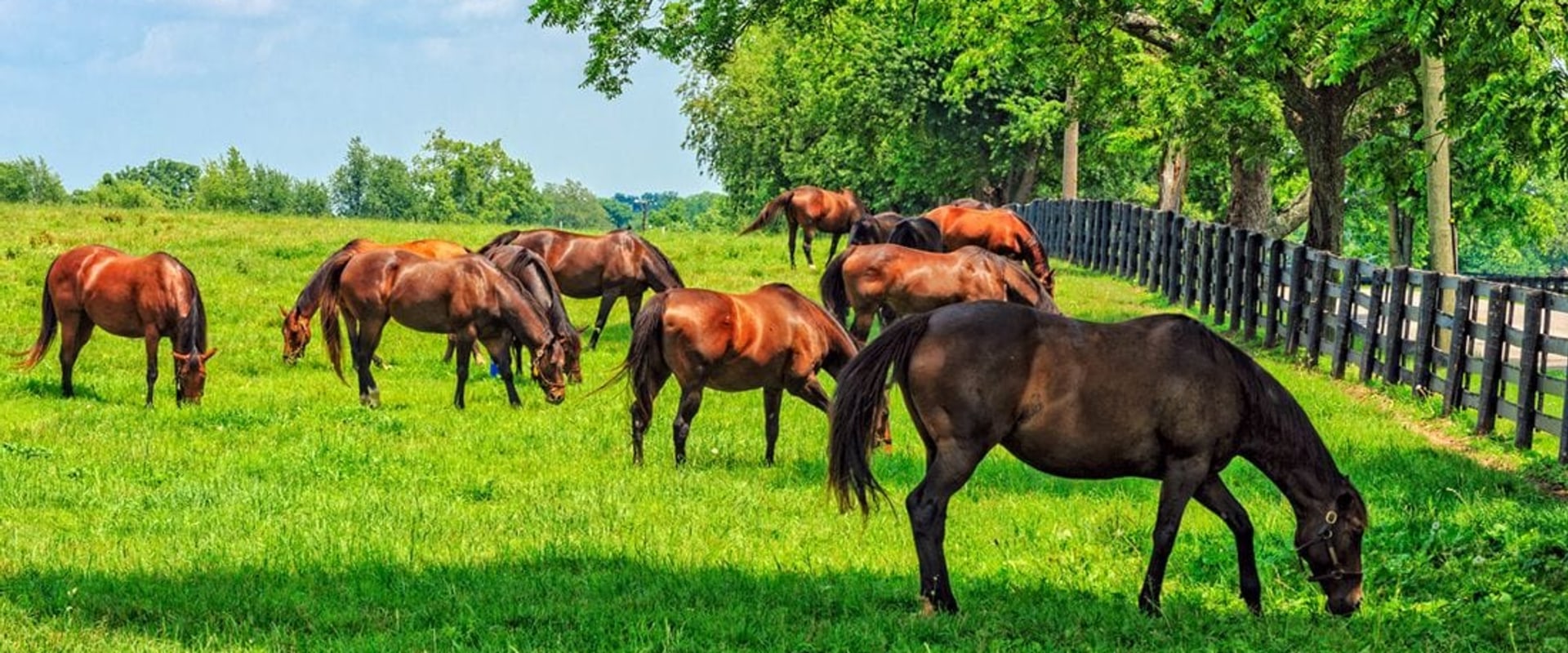
Understanding grazing intensity is crucial for anyone involved in pasture management, as it directly influences the health and productivity of pasturelands. Grazing intensity refers to the amount of forage consumed by livestock over a specific area and time. When managed effectively, it can lead to robust pastures that support both animal health and environmental sustainability. Conversely, improper grazing practices can result in overgrazing, which depletes vital plant resources and diminishes soil quality. The relationship between grazing intensity and pasture health is complex yet essential.
Healthy pastures are characterized by diverse plant species, deep-root systems, and resilient soil structures. When livestock graze too heavily or too frequently, it can hinder the regrowth of plants, leading to bare patches and increased erosion. This not only affects the immediate area but can also have long-term consequences on the ecosystem, including reduced biodiversity and compromised water retention. Effective pasture management strategies involve monitoring grazing patterns and adjusting them based on seasonal changes, plant growth cycles, and livestock needs. By understanding how different levels of grazing intensity impact pasture health, land managers can implement practices that promote sustainable grazing.
This not only enhances the productivity of the land but also contributes to the overall resilience of agricultural systems in the face of climate change.
The Basics of Pasture Management
Effective pasture management is essential for maintaining healthy grazing lands and ensuring sustainable livestock production. Understanding the basics of pasture management involves recognizing different grazing systems and the various types of pastures available.Grazing Systems
There are several grazing systems that can be implemented to optimize pasture health:- Continuous Grazing: This system allows livestock to graze a pasture continuously throughout the growing season. While it is simple to manage, it can lead to overgrazing in certain areas, resulting in uneven pasture health.
- Rotational Grazing: In this system, livestock are moved between different pastures or paddocks. This method allows for recovery periods for grazed areas, promoting better regrowth and overall pasture health.
- Strip Grazing: Similar to rotational grazing, strip grazing involves dividing a pasture into smaller sections.
Livestock graze one section at a time, which helps manage grazing intensity and reduces soil compaction.
Types of Pastures
The type of pasture also plays a crucial role in pasture management. Common types include:- Improved Pastures: These are pastures that have been enhanced through the introduction of high-quality forage species. They typically offer better nutrition for livestock and can withstand heavier grazing pressure.
- Native Pastures: Composed of indigenous plant species, native pastures are often more resilient to local environmental conditions. However, they may require careful management to prevent overgrazing.
- Crop Residue Pastures: Utilizing leftover crop residues for grazing can be an effective way to manage feed resources while minimizing waste.
However, it’s important to monitor the nutritional value of these residues.
Factors Influencing Grazing Intensity
Effective pasture management requires a deep understanding of the various factors that influence grazing intensity. These factors can be broadly categorized into environmental conditions, livestock behavior, and pasture growth rates.Environmental Factors
The environment plays a crucial role in determining how much grazing can occur without damaging the pasture. Key environmental factors include:- Soil Quality: Healthy soil promotes robust plant growth, allowing for more intensive grazing without compromising pasture health.
- Weather Conditions: Rainfall and temperature significantly affect pasture growth. For instance, during dry spells, grass may not recover quickly enough from grazing, necessitating reduced intensity.
- Seasonal Variations: Different seasons bring varying growth rates.
Spring typically sees rapid growth, while late summer may require more cautious grazing practices.
Livestock Behavior
The behavior of livestock also influences grazing intensity. Understanding how animals interact with their environment can lead to better management decisions:- Grazing Patterns: Different species and breeds have unique grazing habits. For example, some animals prefer to graze on specific plant types, which can lead to uneven pasture use.
- Herd Dynamics: The social structure within a herd can affect how evenly they graze an area. Dominant animals may overgraze certain patches, leading to uneven pasture health.
Pasture Growth Rates
The rate at which pasture grows is another critical factor in managing grazing intensity.Regular monitoring of growth rates allows for:
- Timely Adjustments: If growth is slow, reducing grazing pressure can help maintain pasture health.
- Optimal Recovery Time: Allowing sufficient recovery time after grazing ensures that plants can regrow and remain healthy.
Strategies for Managing Grazing Intensity
Effective grazing management strategies are crucial for maintaining the health and productivity of pastures. Two widely recognized methods are rotational grazing and strip grazing, both of which help optimize forage utilization while minimizing overgrazing.Rotational Grazing
Rotational grazing involves dividing a pasture into smaller sections, or paddocks, and rotating livestock between them. This method allows for:- Rest periods: Each paddock is given time to recover after grazing, promoting regrowth and improving soil health.
- Improved forage quality: Livestock graze on fresh, nutrient-rich grass, which can enhance their overall health and productivity.
- Diverse plant growth: By allowing different species to thrive, rotational grazing can increase biodiversity within the pasture.
Strip Grazing
Strip grazing, on the other hand, involves confining livestock to a narrow strip of pasture for a short period. This method encourages:- Targeted grazing: Animals can selectively graze specific areas, which helps manage plant growth more effectively.
- Efficient nutrient distribution: Manure is deposited evenly across the pasture, enhancing soil fertility.
- Reduced soil compaction: By limiting the area grazed at one time, strip grazing minimizes damage to the soil structure.
Factors such as grass growth rates, weather conditions, and animal needs should be considered to achieve optimal results. Implementing these grazing management strategies not only supports pasture health but also contributes to sustainable livestock production.
Monitoring and Assessing Pasture Health
Monitoring and assessing pasture health is crucial for effective pasture management. Regular evaluations help farmers identify issues early, allowing for timely interventions that can enhance pasture productivity and sustainability. One effective method for monitoring pasture health is through visual assessments. Farmers should regularly walk through their pastures, looking for signs of overgrazing, such as bare patches, reduced plant height, and the presence of weeds.Observing the overall vigor of the grass and other forage species can provide insights into the pasture's condition.
Assessment Techniques
Several techniques can be employed to assess pasture health more systematically:- Clip and Weigh Method: This involves clipping a sample of forage from a designated area, weighing it, and calculating the biomass. This method helps determine the available forage and informs grazing decisions.
- Soil Testing: Regular soil tests can reveal nutrient deficiencies or imbalances that affect pasture health. Understanding soil pH, organic matter content, and nutrient levels is essential for effective fertilization strategies.
- Plant Species Composition: Evaluating the diversity of plant species in a pasture can indicate its health. A diverse mix of species often leads to better resilience against pests and diseases.
Indicators of Pasture Health
Farmers should also be aware of specific indicators that reflect pasture health:- Ground Cover: Adequate ground cover protects soil from erosion and helps retain moisture.
Aim for at least 70% ground cover to ensure optimal conditions.
- Root Development: Healthy pastures have deep root systems that improve drought resistance and nutrient uptake. Observing root depth can provide insights into overall plant health.
- Pest and Disease Presence: Monitoring for signs of pests or diseases is vital. Early detection allows for prompt management actions to mitigate damage.
Common Challenges in Grazing Management and Solutions
Managing grazing intensity effectively is crucial for maintaining pasture health, yet several challenges can arise in the process. Understanding these challenges and implementing practical solutions can significantly enhance the sustainability of pasture management practices.- Overgrazing: One of the most common issues is overgrazing, which occurs when livestock graze a pasture too intensively, preventing grass from recovering.
This can lead to soil erosion and reduced forage quality.
- Underutilization: Conversely, underutilization can also be problematic. When pastures are not grazed sufficiently, it can lead to overgrowth of undesirable species and reduced overall pasture productivity.
- Seasonal Variability: Seasonal changes can affect pasture growth rates, making it challenging to maintain consistent grazing pressure throughout the year.
- Soil Health: Poor soil health can limit pasture productivity and resilience. Compacted soils or nutrient deficiencies can hinder grass growth, making it difficult to manage grazing effectively.
- Implement Rotational Grazing: This method involves moving livestock between different pastures to allow for recovery time. It helps prevent overgrazing and promotes even forage utilization.
- Monitor Pasture Condition: Regularly assess pasture health through visual inspections and soil tests.
This will help identify areas needing attention and inform grazing decisions.
- Diverse Plant Species: Incorporating a variety of plant species can improve resilience against pests and diseases while enhancing overall pasture productivity.
- Adjust Stocking Rates: Tailor stocking rates based on pasture conditions and seasonal growth patterns to ensure that grazing intensity aligns with the land's capacity.
Case Studies: Successful Grazing Management Practices
Effective grazing management practices can significantly enhance pasture health and productivity. Here are some compelling case studies that illustrate successful strategies implemented by various farms.Case Study 1: The Smith Family Farm
Located in the Midwest, the Smith Family Farm adopted a rotational grazing system that allowed pastures to rest and recover. By dividing their 200-acre pasture into smaller paddocks, they rotated their cattle every 5-7 days. This practice not only improved soil health but also increased forage production by 30% over two years.The family reported healthier livestock and reduced feed costs as a result.
Case Study 2: Green Valley Ranch
Green Valley Ranch in California implemented a holistic management approach, focusing on the interdependence of livestock and land. They introduced multi-species grazing, incorporating sheep and goats alongside cattle. This diversity helped control invasive plant species and improved nutrient cycling within the pasture. As a result, the ranch saw a 40% increase in biodiversity and a marked improvement in pasture resilience during drought conditions.Case Study 3: Hilltop Acres
At Hilltop Acres in Texas, the owners utilized mob grazing, where large groups of animals graze a small area for a short period.This method mimics natural grazing patterns and promotes even manure distribution, enhancing soil fertility. Over three years, Hilltop Acres reported a significant increase in organic matter in their soil, leading to better water retention and healthier pastures. These case studies highlight that successful grazing management is not one-size-fits-all; rather, it requires tailored approaches based on specific farm conditions and goals. By learning from these real-world examples, other farmers can adopt similar practices to improve their own pasture health.
FAQs About Grazing Intensity and Pasture Management
Managing grazing intensity is crucial for maintaining pasture health and ensuring sustainable livestock production. Here are some frequently asked questions that can help clarify common concerns:- What is grazing intensity?
Grazing intensity refers to the amount of forage consumed by livestock in a given area over a specific time period.It is influenced by factors such as animal density, pasture size, and the duration of grazing.
- How does grazing intensity affect pasture health?
Excessive grazing can lead to overgrazing, which damages the root systems of plants, reduces biodiversity, and increases soil erosion. Conversely, too little grazing can result in underutilization of forage, leading to overgrowth and reduced pasture quality. - What are the signs of overgrazing?
Signs include bare patches in the pasture, reduced plant height, increased weed growth, and poor soil structure. Monitoring these indicators can help in adjusting grazing practices. - How can I determine the right grazing intensity for my pasture?
To find the optimal grazing intensity, consider conducting a forage assessment. This involves measuring the amount of available forage and matching it with livestock needs.Tools like stocking rate calculators can also assist in making informed decisions.
- What management practices can help control grazing intensity?
Implementing rotational grazing systems, where livestock are moved between pastures, can help manage grazing pressure effectively. Additionally, maintaining proper soil health through fertilization and reseeding can enhance pasture resilience.
Conclusion: Key Takeaways for Optimal Pasture Health
In conclusion, effective pasture management hinges on the careful regulation of grazing intensity. By understanding and implementing the key strategies discussed, landowners can significantly enhance the health and productivity of their pastures.- Monitor Pasture Condition: Regular assessments of pasture health are crucial. This includes evaluating grass height, soil quality, and overall plant vigor to determine when to rotate livestock.
- Implement Rotational Grazing: Dividing pastures into smaller sections allows for controlled grazing periods.
This method not only prevents overgrazing but also promotes regrowth and biodiversity.
- Adjust Stocking Rates: Tailoring the number of animals to the available forage is essential. Overstocking can lead to soil compaction and reduced plant health, while understocking may not utilize the pasture's full potential.
- Utilize Rest Periods: Allowing pastures to rest between grazing sessions is vital for recovery. This practice helps maintain soil health and encourages robust plant growth.