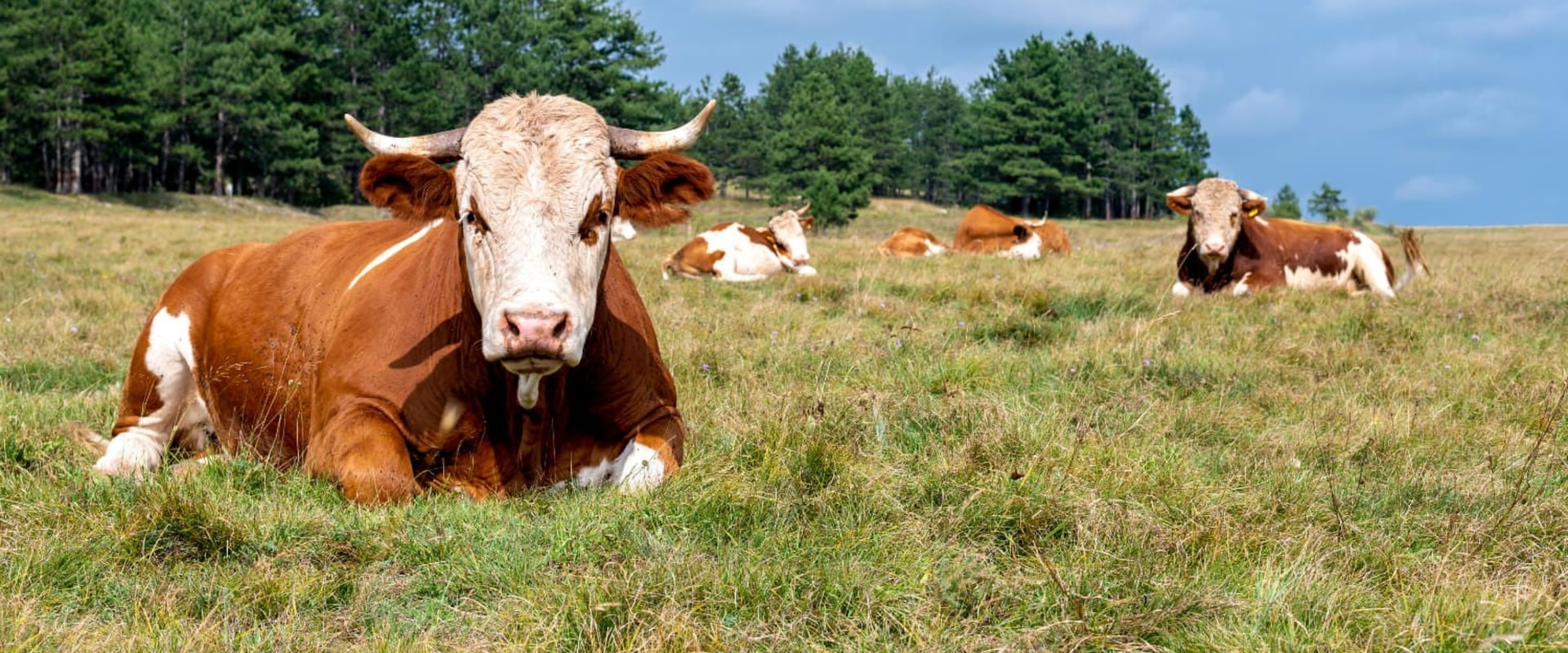
Effective pasture management is a cornerstone of sustainable agriculture, playing a crucial role in maintaining the health of both livestock and the land they graze upon. By implementing strategic practices that optimize the use of pasture resources, farmers can enhance productivity while minimizing environmental impact. Understanding the principles of pasture management is essential for anyone involved in animal husbandry, as it directly influences animal welfare, soil health, and overall farm profitability. The importance of pasture management cannot be overstated. Healthy pastures provide essential nutrients for grazing animals, which in turn leads to improved growth rates and better reproductive performance.
Moreover, well-managed pastures can reduce feed costs and reliance on supplemental nutrition, making farming operations more economically viable. Additionally, effective pasture management practices contribute to soil conservation, water retention, and biodiversity, creating a more resilient ecosystem. As we delve deeper into the benefits of pasture management, it becomes clear that one of the most effective strategies is rotational grazing. This method not only enhances pasture recovery but also promotes healthier animals by allowing them access to fresh forage while preventing overgrazing. By understanding and applying these principles, farmers can create a sustainable system that supports both their livestock and the environment.
What is Rotational Grazing?
Rotational grazing is a pasture management technique that involves moving livestock between different grazing areas, or paddocks, to optimize forage growth and improve soil health.This method contrasts with continuous grazing, where animals have unrestricted access to a single pasture. By implementing rotational grazing, farmers can enhance the sustainability of their land while promoting better animal health.The fundamental principle of rotational grazing is to allow pastures to rest and recover after grazing. This recovery period enables grasses to regrow, which not only increases the quantity of available forage but also improves its nutritional quality. As a result, livestock can benefit from a more balanced diet, leading to enhanced growth rates and overall health.
Techniques of Rotational Grazing
There are several techniques employed in rotational grazing, each tailored to specific land conditions and livestock needs:- Strip Grazing: This technique involves dividing a pasture into narrow strips using temporary fencing.
Livestock graze one strip at a time, allowing the other strips to recover.
- Cell Grazing: Similar to strip grazing, cell grazing uses multiple paddocks and moves animals frequently between them. This method maximizes forage utilization and minimizes overgrazing.
- Leader-Follower System: In this approach, different classes of livestock are grazed in succession. For example, cattle may graze first, followed by sheep, which can help manage parasite loads and utilize leftover forage.
Benefits of Rotational Grazing for Pasture Management
Rotational grazing is a powerful tool in pasture management that offers numerous benefits for both the land and livestock.By systematically moving animals between different grazing areas, farmers can significantly enhance the health of their pastures.
Improvement of Pasture Health
is one of the most notable advantages of rotational grazing. This method allows for periods of rest for grazed areas, enabling grasses to recover and regrow. As a result, pastures can maintain a higher density of forage, which not only provides better nutrition for livestock but also reduces the risk of overgrazing. Additionally, rotational grazing promotes biodiversity. By allowing various plant species to thrive, it creates a more resilient ecosystem.Diverse pastures are less susceptible to pests and diseases, which can lead to healthier animals and reduced reliance on chemical treatments.
Soil Health
is another critical aspect positively impacted by rotational grazing. The movement of livestock helps to naturally aerate the soil and distribute manure evenly across the pasture. This process enhances soil structure and fertility, leading to improved water retention and nutrient availability. Healthy soil supports robust plant growth, which in turn sustains the grazing animals. Moreover, increased forage production is a direct benefit of this grazing strategy.With improved pasture health and soil conditions, farmers can expect higher yields from their land. This not only boosts productivity but also contributes to sustainable farming practices by reducing the need for synthetic fertilizers. In summary, rotational grazing serves as an effective strategy for enhancing pasture management. By improving pasture health, promoting biodiversity, and enhancing soil quality, it leads to healthier animals and more productive farming systems.
Impact on Animal Health
Rotational grazing is a pasture management technique that significantly enhances animal health by optimizing the nutritional intake of livestock. By allowing animals to graze on fresh, nutrient-rich pastures while giving previously grazed areas time to recover, rotational grazing ensures that livestock have access to a diverse range of forages.This diversity not only improves the overall diet of the animals but also promotes better digestion and nutrient absorption.One of the primary benefits of rotational grazing is its ability to reduce stress among livestock. When animals are confined to a single area for extended periods, they often experience competition for food and water, leading to increased aggression and stress levels. In contrast, rotational grazing allows for more space and resources, which can lead to a calmer herd. This reduction in stress is crucial for maintaining optimal health and productivity.Moreover, rotational grazing plays a vital role in preventing overgrazing, which can lead to poor pasture quality and health issues in animals.
Overgrazed pastures can become barren and less nutritious, forcing animals to consume lower-quality forage that may not meet their dietary needs. By implementing a rotational system, farmers can ensure that pastures are not depleted, allowing for consistent regrowth and availability of high-quality forage.Additionally, healthier pastures contribute to improved animal welfare. Livestock that graze on well-managed pastures are less likely to suffer from diseases related to poor nutrition or environmental stressors. Healthy animals are more productive, producing higher quantities of milk or meat while also exhibiting better reproductive performance.In summary, the impact of rotational grazing on animal health is profound.
By enhancing nutrition, reducing stress, and preventing overgrazing, this practice not only benefits the livestock but also supports sustainable pasture management practices that can lead to long-term agricultural success.
Economic Advantages of Rotational Grazing
Implementing rotational grazing can lead to significant economic advantages for farmers, primarily through enhanced cost-effectiveness in pasture management. By allowing livestock to graze in a controlled manner, farmers can optimize the use of their land, leading to healthier pastures and reduced feed costs.One of the most notable economic benefits of rotational grazing is the reduction in feed expenses. When animals are rotated through different pastures, they graze on fresh forage, which can decrease the need for supplemental feeding. This not only lowers costs but also improves animal health and productivity.Additionally, rotational grazing promotes better soil health and pasture resilience.Healthier soils lead to improved forage quality and quantity, which can enhance livestock weight gain and milk production. As a result, farmers may see an increase in overall profitability.
- Increased Forage Production: Rotational grazing allows pastures to recover between grazing periods, leading to more robust growth and higher yields.
- Lower Veterinary Costs: Healthier animals due to better nutrition and reduced stress can lead to fewer health issues, thus lowering veterinary expenses.
- Diversified Income Streams: Farmers can explore additional revenue opportunities such as selling excess forage or utilizing cover crops in rotation.
Challenges and Considerations in Implementing Rotational Grazing
Implementing rotational grazing can offer numerous benefits for pasture management, but it also comes with its own set of challenges and considerations that farmers must navigate.Understanding these barriers is crucial for a successful transition.1.Initial Setup Costs: One of the primary challenges is the initial investment required to set up a rotational grazing system. This may include fencing, water supply systems, and possibly additional infrastructure to support multiple grazing areas. Farmers need to assess their budget and determine if they can afford these upfront costs.2.Knowledge and Training: Transitioning to rotational grazing often requires a shift in mindset and management practices. Farmers may need training or education on how to effectively implement this system.
Lack of knowledge about pasture health, animal behavior, and grazing patterns can hinder successful adoption.3.Labor Requirements: Rotational grazing can be more labor-intensive than traditional continuous grazing methods. Farmers must be prepared for the increased workload associated with moving livestock between pastures and monitoring their health and the condition of the land.4.Weather Variability: Weather conditions can significantly impact the effectiveness of rotational grazing. Droughts or excessive rainfall can affect pasture growth and availability, making it challenging to maintain a consistent grazing schedule. Farmers must be adaptable and have contingency plans in place.5.Land Compatibility: Not all land is suitable for rotational grazing.
Factors such as soil type, topography, and existing vegetation can influence how well a rotational system will work. Conducting a thorough assessment of the land is essential before making any changes. In conclusion, while rotational grazing presents an opportunity for improved pasture management and animal health, farmers must carefully consider these challenges and prepare accordingly to ensure a smooth transition.
Case Studies: Successful Rotational Grazing Practices
Implementing rotational grazing has proven to be a transformative practice for many farms, enhancing both pasture management and animal health. Here are a few notable case studies that illustrate these benefits:- Case Study 1: Green Pastures Farm, Oregon
At Green Pastures Farm, the owner adopted rotational grazing to combat overgrazing and improve soil health. By dividing the pasture into smaller sections and rotating cattle every few days, the farm saw a 30% increase in forage production within the first year.This not only provided better nutrition for the livestock but also reduced the need for supplemental feed.
- Case Study 2: Sunny Acres Ranch, Texas
Sunny Acres Ranch implemented a rotational grazing system that allowed for longer rest periods for each pasture. As a result, they observed improved biodiversity in their grass species and a significant reduction in weed populations. The ranch reported healthier animals with fewer veterinary visits, attributing this to the enhanced quality of forage available. - Case Study 3: Meadow View Farm, Vermont
Meadow View Farm focused on integrating rotational grazing with cover cropping. By rotating their sheep through different fields, they not only managed their pastures effectively but also improved soil structure and fertility.The farm experienced a 25% increase in lamb weight gain during the grazing season, showcasing the direct impact of pasture management on animal health.
FAQs about Rotational Grazing and Pasture Management
Rotational grazing is a method that has gained popularity among farmers and ranchers, but many still have questions about its effectiveness and implementation. Here are some frequently asked questions regarding rotational grazing and its impact on pasture management.What is rotational grazing?
Rotational grazing involves moving livestock between different pastures or paddocks to allow for rest and recovery of the grazed areas. This practice helps maintain healthy grass growth and improves soil health.How does rotational grazing benefit pasture management?
- Improved forage quality: By allowing pastures to rest, rotational grazing promotes the growth of nutrient-rich grasses.
- Soil health: The movement of animals helps aerate the soil and distribute manure, enhancing soil fertility.
- Diverse plant growth: Different grazing patterns encourage a variety of plant species, which can lead to a more resilient ecosystem.
Are there any misconceptions about rotational grazing?
- Myth: Rotational grazing is too labor-intensive.
- Fact: While it requires planning, many farmers find that the long-term benefits outweigh the initial effort.
- Myth: It’s only suitable for large farms.
- Fact: Rotational grazing can be adapted for small-scale operations as well.
How does rotational grazing affect animal health?
By providing fresh forage and reducing parasite loads through managed grazing, rotational grazing can lead to healthier livestock.Animals are less likely to overgraze and are exposed to a more balanced diet, which can improve overall well-being.If you have more questions about how to implement rotational grazing in your pasture management strategy, consider reaching out to local agricultural extension services or experienced farmers in your area.
Conclusion: The Future of Pasture Management with Rotational Grazing
In conclusion, the integration of rotational grazing into pasture management practices presents a transformative approach that not only enhances the health of the pasture but also significantly benefits animal welfare. By allowing livestock to graze in a systematic manner, farmers can optimize forage growth and improve soil health, leading to more sustainable agricultural practices.Key benefits of rotational grazing include:- Improved Soil Health: Rotational grazing promotes deeper root systems and enhances soil structure, which increases water retention and nutrient availability.
- Enhanced Forage Quality: By preventing overgrazing, rotational grazing allows for the regrowth of high-quality forage, ensuring that animals receive optimal nutrition.
- Disease Management: This method reduces the risk of parasite infestations and diseases by breaking the life cycles of pathogens that thrive in continuously grazed pastures.
- Increased Biodiversity: Rotational grazing encourages a diverse range of plant species, which can lead to a more resilient ecosystem.