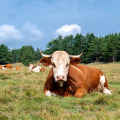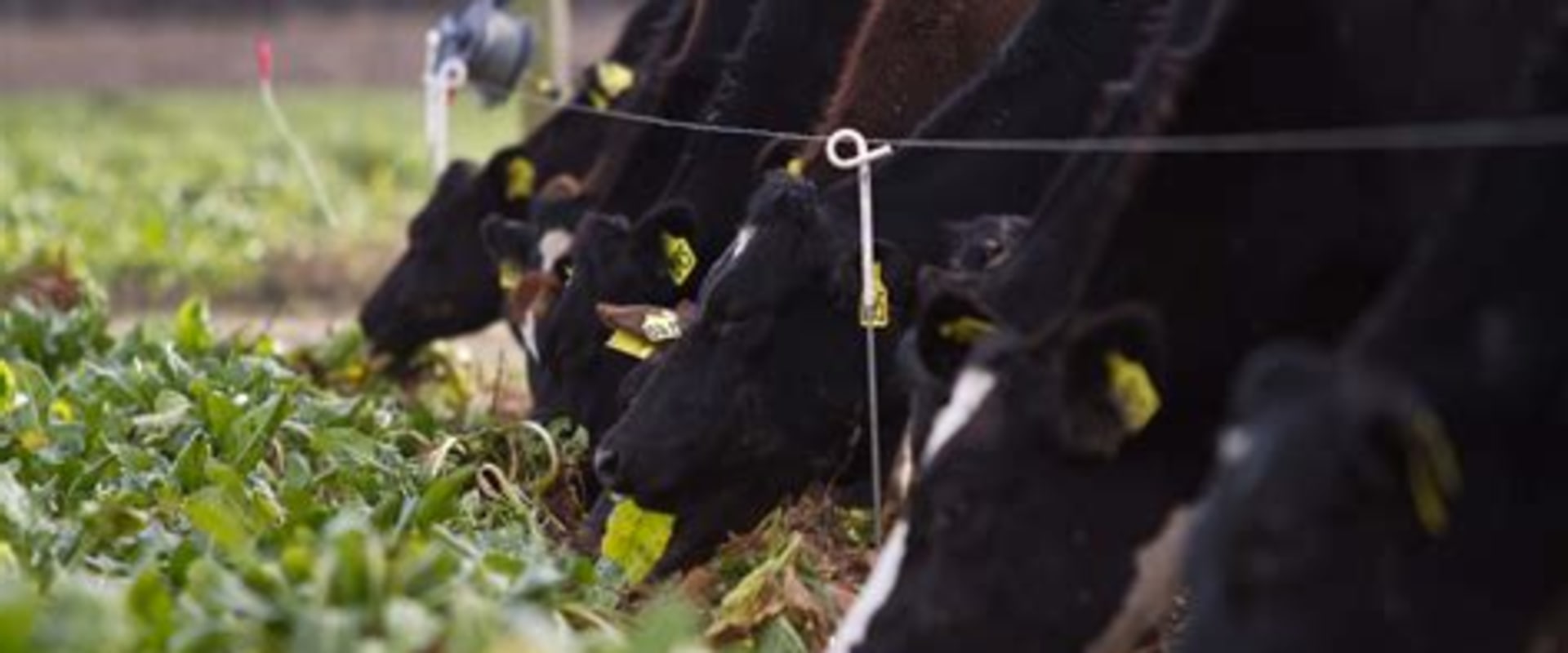
Pasture management is a critical aspect of sustainable agriculture and animal husbandry that focuses on the careful planning and maintenance of grazing lands. It encompasses a variety of practices aimed at optimizing the health and productivity of both the pasture and the animals that rely on it. By understanding pasture management, farmers and ranchers can create an environment that not only supports the nutritional needs of livestock but also promotes their overall well-being. The significance of effective pasture management cannot be overstated. Healthy pastures contribute to improved animal health by providing high-quality forage, which is essential for proper growth, reproduction, and milk production.
Moreover, well-managed pastures can help prevent overgrazing, soil erosion, and nutrient depletion, ensuring that the land remains productive for future generations. This holistic approach not only benefits the animals but also enhances the sustainability of farming operations. In essence, pasture management serves as the foundation for a thriving agricultural ecosystem. By implementing best practices such as rotational grazing, soil testing, and appropriate fertilization, farmers can significantly influence the health outcomes of their livestock. As we delve deeper into this topic, we will explore how specific pasture management techniques directly impact animal health and productivity, highlighting the interconnectedness of land stewardship and animal welfare.
The Relationship Between Pasture Quality and Animal Health
The quality of pasture plays a crucial role in determining the overall health of livestock.High-quality pastures provide essential nutrients that directly influence the nutritional value of the forage consumed by animals. When animals graze on nutrient-rich pastures, they are more likely to maintain optimal body condition, reproductive performance, and resistance to diseases.
Forage quality
is determined by several factors, including plant species composition, soil health, and management practices. Different plant species offer varying levels of protein, energy, vitamins, and minerals. For instance, legumes such as clover and alfalfa are known for their high protein content, which is vital for growth and milk production in dairy cattle.- Plant Diversity: A diverse pasture can enhance animal health by providing a balanced diet.
Different plants contribute unique nutrients that can prevent deficiencies.
- Soil Fertility: Healthy soil leads to better pasture growth and quality. Regular soil testing and appropriate fertilization can improve nutrient availability.
- Pest Management: Effective management of pests and weeds ensures that livestock have access to high-quality forage without harmful contaminants.
By focusing on the quality of pastures through diverse plant species, soil health, and proper grazing techniques, livestock producers can enhance the well-being of their animals while also improving productivity.
Key Practices in Effective Pasture Management
Effective pasture management is crucial for promoting animal health and optimizing the productivity of grazing systems. By implementing specific practices, farmers can ensure that their livestock thrive while maintaining the sustainability of their pastures.Rotational Grazing
One of the most effective practices in pasture management is rotational grazing. This method involves dividing pastures into smaller sections and rotating livestock between them. By allowing pastures to rest and recover, rotational grazing helps:- Prevent overgrazing, which can lead to soil degradation.
- Enhance forage quality, providing animals with more nutritious feed.
- Reduce parasite loads, as many parasites require specific conditions to thrive.
Maintaining Soil Health
The health of the soil directly impacts the quality of pasture available for grazing.Practices that promote soil health include:
- Cover cropping: Planting cover crops during off-seasons can improve soil structure and fertility.
- Soil testing: Regular testing helps identify nutrient deficiencies and informs fertilization strategies.
- Minimizing compaction: Limiting heavy machinery use on pastures helps maintain soil aeration and water infiltration.
Pasture Rotation
Pasture rotation is another key practice that involves systematically moving livestock through different grazing areas. This not only allows for better forage management but also:- Encourages diverse plant growth, which can improve overall pasture resilience.
- Helps control weeds and invasive species by disrupting their life cycles.
- Promotes a balanced ecosystem, benefiting both flora and fauna.
Impact of Overgrazing on Animal Health
Overgrazing occurs when livestock graze on pastureland beyond its capacity to regenerate, leading to significant pasture degradation. This practice not only diminishes the quality of the forage available but also poses serious risks to animal health.When pastures are overgrazed, several negative consequences arise:- Nutritional Deficiencies: Overgrazing reduces the availability of high-quality forage, which can lead to nutritional deficiencies in livestock.
Animals may not receive essential vitamins and minerals, resulting in poor growth rates and weakened immune systems.
- Increased Parasite Load: Degraded pastures often harbor a higher concentration of parasites. As animals graze in these areas, they are more likely to ingest parasite eggs or larvae, leading to increased infestations that can compromise their health.
- Soil Erosion: The loss of vegetation due to overgrazing can lead to soil erosion. This not only affects pasture recovery but also impacts water quality, as sediment and pollutants can enter water sources, further endangering animal health.
- Stress and Behavioral Issues: Animals grazing in overgrazed areas may experience stress due to competition for limited resources. This stress can lead to behavioral issues such as aggression and reduced reproductive success.
As pasture quality declines, farmers may increase stocking rates in an attempt to maintain productivity, exacerbating the problem. To mitigate these risks, effective pasture management practices are essential. Implementing rotational grazing systems, monitoring pasture health, and allowing adequate recovery time for grazed areas can significantly improve both pasture quality and animal well-being.
Pest and Disease Management in Pastures
Effective pasture management plays a crucial role in controlling pests and diseases that can adversely affect both plant health and animal well-being. By implementing integrated pest management (IPM) strategies, farmers can create a balanced ecosystem that minimizes the impact of harmful organisms while promoting beneficial ones.Pest management
begins with understanding the specific pests that threaten pasture health.Common pests include insects like grasshoppers, armyworms, and various types of nematodes. Regular monitoring of pasture conditions allows for early detection of pest populations, enabling timely interventions. This proactive approach can significantly reduce the need for chemical treatments, which can have negative side effects on animal health.In addition to monitoring, maintaining healthy soil and diverse plant species can enhance the resilience of pastures against pests. For instance, incorporating legumes into grass pastures not only improves soil fertility but also attracts beneficial insects that prey on harmful pests.
Disease prevention
is equally important in pasture management.Diseases such as fescue toxicosis or lumpy jaw can severely impact livestock health. To mitigate these risks, it is essential to rotate grazing areas, allowing pastures to recover and reducing the buildup of pathogens. Additionally, ensuring proper drainage and avoiding overgrazing can help prevent conditions that favor disease development.Furthermore, regular health assessments of livestock can help identify early signs of disease, allowing for prompt treatment and minimizing the spread within herds. Vaccination programs tailored to specific diseases prevalent in certain regions should also be part of a comprehensive pasture management plan.In conclusion, effective pasture management through integrated pest management strategies not only protects plant health but also enhances animal health by reducing the incidence of pests and diseases.
By fostering a healthy pasture ecosystem, farmers can ensure sustainable productivity and animal welfare.
Seasonal Considerations in Pasture Management
Effective pasture management is crucial for maintaining animal health throughout the changing seasons. Each season presents unique challenges and opportunities that can significantly impact the quality of pastures and, consequently, the well-being of livestock.Winter Grazing Strategies
During winter, pastures can become sparse and less nutritious. Implementing a strategic winter grazing plan is essential to ensure that animals receive adequate nutrition. This may involve:- Stockpiling forage: Allowing certain grasses to grow tall and remain unharvested during the fall can provide valuable grazing material in winter.
- Supplemental feeding: Providing hay or other feed supplements can help maintain energy levels and overall health when pasture quality declines.
- Rotational grazing: Moving livestock between different areas can prevent overgrazing and allow pastures to recover.
Summer Pasture Management
In contrast, summer brings lush growth but also the risk of overgrazing.To optimize summer pastures, consider the following:
- Regular monitoring: Keep an eye on pasture conditions to prevent overgrazing, which can lead to soil erosion and reduced forage quality.
- Diverse planting: Incorporating a variety of grasses and legumes can enhance soil health and provide a balanced diet for animals.
- Irrigation practices: In drier regions, implementing irrigation can help maintain pasture quality during hot months.
Case Studies: Successful Pasture Management and Animal Health Outcomes
Understanding the impact of pasture management on animal health can be greatly enhanced by examining real-world case studies. These examples showcase how effective practices lead to improved health outcomes for livestock.Case Study 1: Rotational Grazing in New Zealand
A farm in New Zealand implemented a rotational grazing system, allowing pastures to rest and recover between grazing periods. This method not only improved pasture quality but also reduced parasite loads in sheep.The farmers reported a significant decrease in veterinary costs and an increase in lamb survival rates, demonstrating the direct correlation between pasture management and animal health.
Case Study 2: Integrated Crop-Livestock Systems in Brazil
In Brazil, a study focused on integrated crop-livestock systems showed that diversifying pasture with legumes improved soil health and nutrient availability. Cattle grazing on these enriched pastures exhibited better weight gain and lower incidences of disease. The integration of crops and livestock created a sustainable cycle that benefited both the land and the animals.Case Study 3: Silvopasture Practices in the United States
A farm in the southeastern United States adopted silvopasture, combining trees with pastureland. This practice provided shade for cattle, reducing heat stress during hot months.The animals showed improved milk production and overall health, highlighting how thoughtful pasture management can mitigate environmental stressors. These case studies illustrate that successful pasture management is not just about maximizing land use; it is also about fostering a healthy environment for livestock. By adopting innovative practices, farmers can enhance animal welfare while promoting sustainable agricultural systems.
Frequently Asked Questions About Pasture Management and Animal Health
Understanding the relationship between pasture management and animal health is crucial for livestock owners. Here are some frequently asked questions that can help clarify this important topic:What is pasture management?
Pasture management refers to the practices used to maintain and improve the quality of pastureland. This includes rotational grazing, soil fertility management, and controlling weeds and pests.Effective pasture management ensures that animals have access to nutritious forage, which directly impacts their health.
How does pasture quality affect animal health?
The quality of pasture significantly influences animal health. High-quality pastures provide essential nutrients that support growth, reproduction, and overall well-being. Poor-quality pastures can lead to nutritional deficiencies, which may result in health issues such as:- Reduced immunity
- Weight loss
- Reproductive problems
- Increased susceptibility to diseases
What are some common pasture care tips?
To maintain healthy pastures and promote animal health, consider the following tips:- Rotate grazing areas: This prevents overgrazing and allows pastures to recover.
- Monitor forage quality: Regularly assess the nutritional value of your pasture to ensure it meets the needs of your livestock.
- Control weeds: Weeds can compete with desirable forage species, reducing overall pasture quality.
- Test soil regularly: Soil tests can help determine nutrient needs and guide fertilization practices.
Conclusion: The Importance of Pasture Management for Animal Health
In conclusion, pasture management plays a pivotal role in ensuring the health and well-being of livestock. Throughout this article, we have explored various aspects of how effective pasture management practices can lead to improved animal health outcomes. By implementing strategies such as rotational grazing, maintaining soil health, and monitoring forage quality, farmers can create a more sustainable environment for their animals.These practices not only enhance the nutritional value of the pasture but also reduce the risk of disease and promote overall animal welfare.
- Rotational Grazing: This method allows pastures to recover, leading to healthier forage and reducing parasite loads in animals.
- Soil Health: Healthy soil contributes to nutrient-rich grass, which is essential for optimal animal growth and productivity.
- Forage Quality: Regular assessment of forage quality ensures that animals receive the necessary nutrients, which directly impacts their immune function and resilience against diseases.