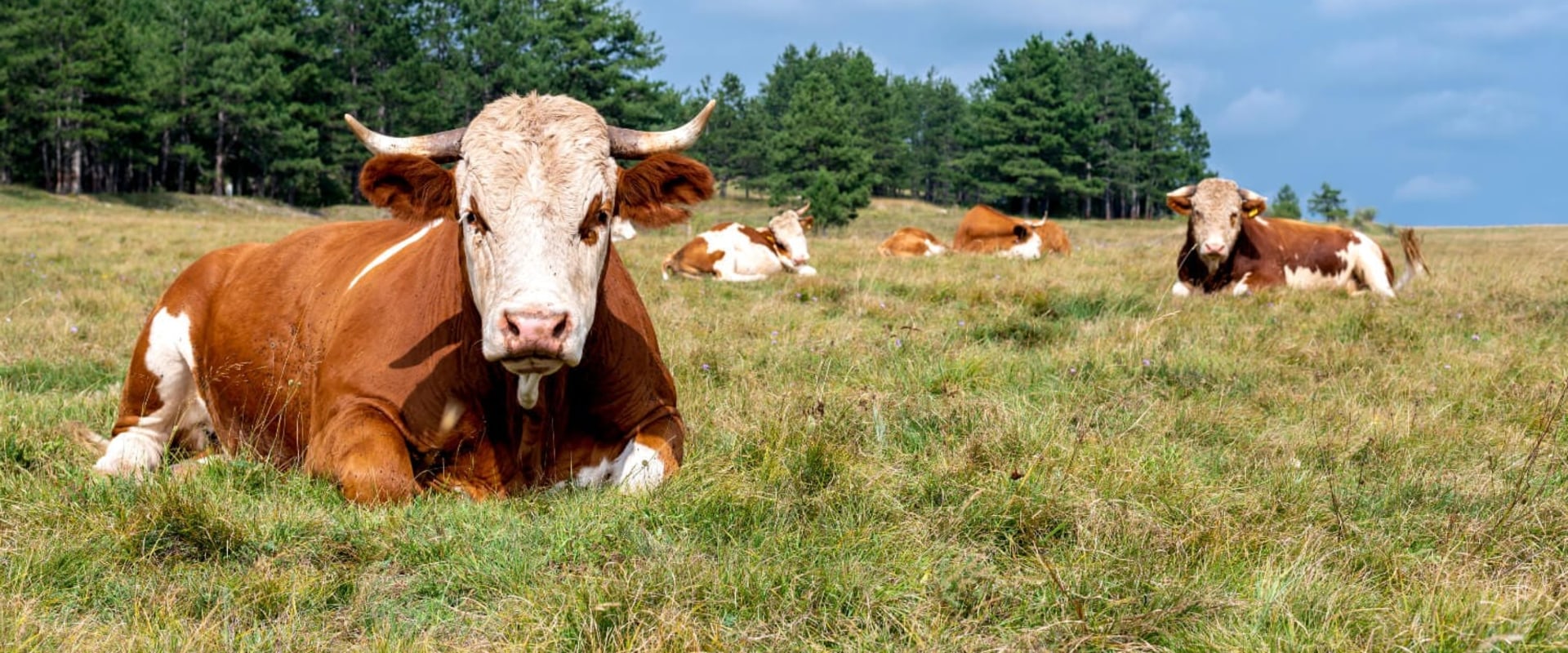
Effective pasture management is a cornerstone of sustainable agriculture, playing a crucial role in maintaining soil health, enhancing biodiversity, and ensuring the well-being of livestock. As the demand for food continues to rise, farmers and land managers are increasingly recognizing the importance of managing pastures in a way that minimizes environmental impact while maximizing productivity. This shift towards more sustainable practices is not just a trend; it reflects a growing awareness of the long-term benefits of nurturing our land without relying on harmful chemicals. In recent years, there has been a significant increase in interest surrounding chemical-free methods for managing pastures. Traditional approaches often involve the use of synthetic fertilizers and pesticides, which can lead to soil degradation, water contamination, and adverse effects on local ecosystems.
In contrast, alternative methods focus on natural processes and ecological principles to enhance pasture health. These practices not only reduce dependency on chemicals but also promote resilience against pests and diseases. Understanding the principles of pasture management is essential for anyone involved in agriculture today. By exploring innovative techniques such as rotational grazing, cover cropping, and integrated pest management, farmers can create a more sustainable system that benefits both their operations and the environment. As we delve deeper into these alternative methods, it becomes clear that embracing a holistic approach to pasture management is not only feasible but necessary for the future of agriculture.
The Importance of Chemical-Free Pasture Management
Managing pastures without chemicals is not just a trend; it is a vital practice that offers numerous benefits for the environment, livestock health, and consumer safety.By adopting chemical-free pasture management, farmers can contribute to a more sustainable agricultural system.
Environmental Sustainability
- Soil Health: Chemical-free practices enhance soil structure and fertility. Natural methods such as crop rotation, cover cropping, and composting improve nutrient cycling and promote beneficial microbial activity.
- Biodiversity: Reducing chemical inputs fosters a diverse ecosystem. Healthy pastures support various plant species, which in turn attract beneficial insects and wildlife, creating a balanced environment.
- Water Quality: Chemicals can leach into waterways, causing pollution. By managing pastures without synthetic fertilizers and pesticides, farmers help protect local water sources from contamination.
Health Benefits
- Livestock Welfare: Animals grazing on chemical-free pastures are less likely to experience health issues related to chemical exposure.
This leads to improved overall well-being and productivity.
- Consumer Safety: Meat and dairy products from animals raised on chemical-free pastures are often perceived as healthier. Consumers are increasingly seeking products that are free from harmful residues, making chemical-free management an attractive option.
Alternative Methods for Managing Pastures
Managing pastures without chemicals is not only beneficial for the environment but also enhances the health of livestock and soil. Here are some alternative methods that can be effectively employed:- Organic Practices: Organic pasture management focuses on natural inputs and processes.
This includes using organic fertilizers such as compost or manure, which enrich the soil without harmful chemicals. Crop rotation and cover cropping are also essential practices that help maintain soil fertility and prevent erosion.
- Regenerative Agriculture: This holistic approach aims to restore and enhance the health of the ecosystem. Techniques such as no-till farming, agroforestry, and integrating livestock into crop production systems can improve biodiversity, increase carbon sequestration, and enhance soil structure.
- Holistic Grazing: Holistic management involves planning grazing patterns to mimic natural herd movements. By rotating livestock through different pasture sections, this method allows for better grass recovery, reduces overgrazing, and promotes a diverse plant community.
This practice not only improves pasture health but also increases forage quality.
Cover Cropping and Crop Rotation
Implementing cover cropping and crop rotation are two effective strategies for enhancing soil health while minimizing reliance on chemical inputs in pasture management. These practices not only improve soil structure and fertility but also promote biodiversity, which is essential for a resilient ecosystem.Cover Cropping
Cover crops are plants grown primarily to cover the soil rather than for harvest.They play a crucial role in preventing soil erosion, suppressing weeds, and enhancing nutrient cycling. For instance, legumes such as clover or vetch can fix nitrogen in the soil, reducing the need for synthetic fertilizers. Additionally, deep-rooted cover crops like radishes can help break up compacted soil layers, improving water infiltration and root growth.
Crop Rotation Benefits
Crop rotation involves alternating the types of crops grown on a particular piece of land over time. This practice can disrupt pest and disease cycles, reducing the need for chemical pesticides.For example, rotating grasses with legumes can enhance soil nitrogen levels while also providing diverse forage options for livestock.
- Improved Soil Structure: Both cover cropping and crop rotation contribute to better soil aggregation, which enhances aeration and water retention.
- Nutrient Management: By alternating crops with different nutrient needs, farmers can optimize nutrient use and reduce leaching.
- Biodiversity: These practices foster a diverse microbial community in the soil, which is vital for nutrient cycling and plant health.
Integrated Pest Management (IPM)
Integrated Pest Management (IPM) is a holistic approach to pasture management that emphasizes the use of natural pest control methods rather than relying on chemical pesticides. This strategy not only helps in maintaining the ecological balance but also promotes sustainable agricultural practices.IPM involves a combination of techniques that can effectively manage pest populations while minimizing environmental impact.Here are some key IPM strategies:
- Monitoring and Identification: Regularly inspect pastures to identify pest species and assess their population levels. Accurate identification is crucial for determining the most effective control measures.
- Cultural Controls: Implement practices such as crop rotation, intercropping, and maintaining healthy soil to create an environment less conducive to pest infestations.
- Biological Control: Introduce natural predators or parasites of pests into the pasture ecosystem. For example, ladybugs can help control aphid populations, while nematodes can target soil-dwelling pests.
- Mechanical Controls: Use physical barriers like nets or row covers to protect plants from pests. Additionally, manual removal of pests can be effective in small-scale operations.
- Use of Resistant Varieties: Select plant varieties that are naturally resistant to specific pests, reducing the likelihood of infestations.
By integrating these methods, pasture managers can achieve a sustainable balance between productivity and ecological health.In conclusion, adopting Integrated Pest Management not only reduces reliance on chemicals but also fosters a more resilient pasture ecosystem. This approach encourages biodiversity and promotes long-term sustainability in agricultural practices.
Utilizing Livestock for Natural Fertilization and Weed Control
Utilizing livestock for natural fertilization and weed control is an effective strategy in pasture management. By integrating animals into pasture systems, farmers can harness their natural behaviors to enhance soil health and reduce the reliance on chemical inputs.Benefits of Livestock Grazing
- Soil Enrichment: Livestock manure serves as a rich source of nutrients, improving soil fertility and structure. This natural fertilization process enhances microbial activity, which is crucial for nutrient cycling.
- Weed Suppression: Targeted grazing can effectively manage weed populations.
Certain livestock species, such as goats, are particularly adept at consuming invasive plant species, thereby reducing their prevalence.
- Improved Pasture Health: Managed grazing encourages the growth of desirable forage species while suppressing less desirable ones. This leads to a more balanced ecosystem and healthier pastures overall.
Grazing Techniques for Optimal Results
- Rotational Grazing: This method involves moving livestock between different pasture areas to prevent overgrazing. By allowing pastures to rest and recover, soil health improves, and nutrient levels are replenished.
- Strip Grazing: In this technique, livestock graze in narrow strips of pasture. This focused grazing helps control specific weed populations while promoting even nutrient distribution through manure deposition.
- Mixed Species Grazing: Combining different types of livestock can enhance weed control and nutrient cycling.
For example, sheep and cattle can graze together, as they often prefer different types of forage.
Soil Health Practices for Chemical-Free Pastures
Effective pasture management without chemicals begins with a strong focus on soil health. Healthy soil is the foundation for vibrant pastures, supporting diverse plant and animal life while reducing the need for synthetic inputs. Here are some key practices to enhance soil health:- Composting: Composting is an excellent way to recycle organic matter and enrich the soil.
By creating a compost pile with kitchen scraps, yard waste, and animal manure, you can produce nutrient-rich compost that improves soil structure, enhances moisture retention, and promotes beneficial microbial activity. Regularly applying compost to your pastures can lead to healthier plants and increased resilience against pests and diseases.
- Mulching Techniques: Mulching involves covering the soil surface with organic materials such as straw, wood chips, or grass clippings. This practice helps retain soil moisture, suppress weeds, and gradually adds nutrients back into the soil as the mulch decomposes. Additionally, mulching can protect the soil from erosion and temperature fluctuations, creating a more stable environment for pasture growth.
- Encouraging Soil Biodiversity: A diverse soil ecosystem is crucial for maintaining soil health.
Practices such as crop rotation, interseeding cover crops, and minimizing tillage can help foster a variety of microorganisms, earthworms, and other beneficial organisms in the soil. These organisms play vital roles in nutrient cycling, organic matter decomposition, and overall soil fertility.
Case Studies: Successful Chemical-Free Pasture Management Examples
Exploring chemical-free pasture management can be inspiring, especially when looking at real-world applications. Here are a few case studies that showcase successful methods employed by various farms.1.Green Pastures Farm
Located in Oregon, Green Pastures Farm has successfully implemented a rotational grazing system that enhances soil health and pasture productivity.By moving livestock frequently, they allow grass to recover and grow stronger, reducing the need for chemical fertilizers. This method not only improves the quality of the pasture but also increases biodiversity.
2.Sunny Acres Organic Farm
In California, Sunny Acres Organic Farm has adopted cover cropping as a primary strategy for managing their pastures. By planting cover crops during the off-season, they prevent soil erosion and enhance nutrient cycling. This practice has led to healthier pastures and reduced reliance on synthetic inputs.3.Meadow View Ranch
Meadow View Ranch in Texas utilizes integrated pest management (IPM) techniques to control pests naturally.By introducing beneficial insects and using natural repellents, they have minimized chemical use while maintaining healthy pasture ecosystems. This approach has proven effective in sustaining both livestock health and pasture quality.
4.Harmony Hill Farm
This farm in Vermont focuses on multi-species grazing, where different types of livestock graze together. This method helps control weeds naturally and improves nutrient distribution across the pasture. The diverse grazing patterns lead to healthier soil and reduced need for chemical interventions.These case studies illustrate that chemical-free pasture management is not only feasible but can also lead to sustainable farming practices that benefit both the environment and farm productivity.By learning from these successful examples, other farmers can adopt similar strategies to enhance their own pasture management efforts.
Conclusion: Embracing Sustainable Practices in Pasture Management
In conclusion, the journey towards effective pasture management without the reliance on chemicals is not only feasible but essential for fostering a sustainable agricultural ecosystem. By adopting alternative methods, farmers can enhance soil health, promote biodiversity, and ensure the long-term viability of their pastures. Throughout this article, we explored various strategies that can be implemented to manage pastures sustainably. These include:- Rotational Grazing: This method allows for the natural recovery of pasturelands, reducing overgrazing and promoting healthier grass growth.
- Cover Cropping: Planting cover crops during off-seasons helps prevent soil erosion, improves soil structure, and enhances nutrient cycling.
- Integrated Pest Management (IPM): Utilizing biological controls and cultural practices minimizes pest populations without harmful chemicals.
- Soil Health Practices: Regular soil testing and amendments with organic matter can significantly improve soil fertility and microbial activity.
As we continue to innovate and share knowledge within the agricultural community, we pave the way for a more sustainable and productive future in pasture management.