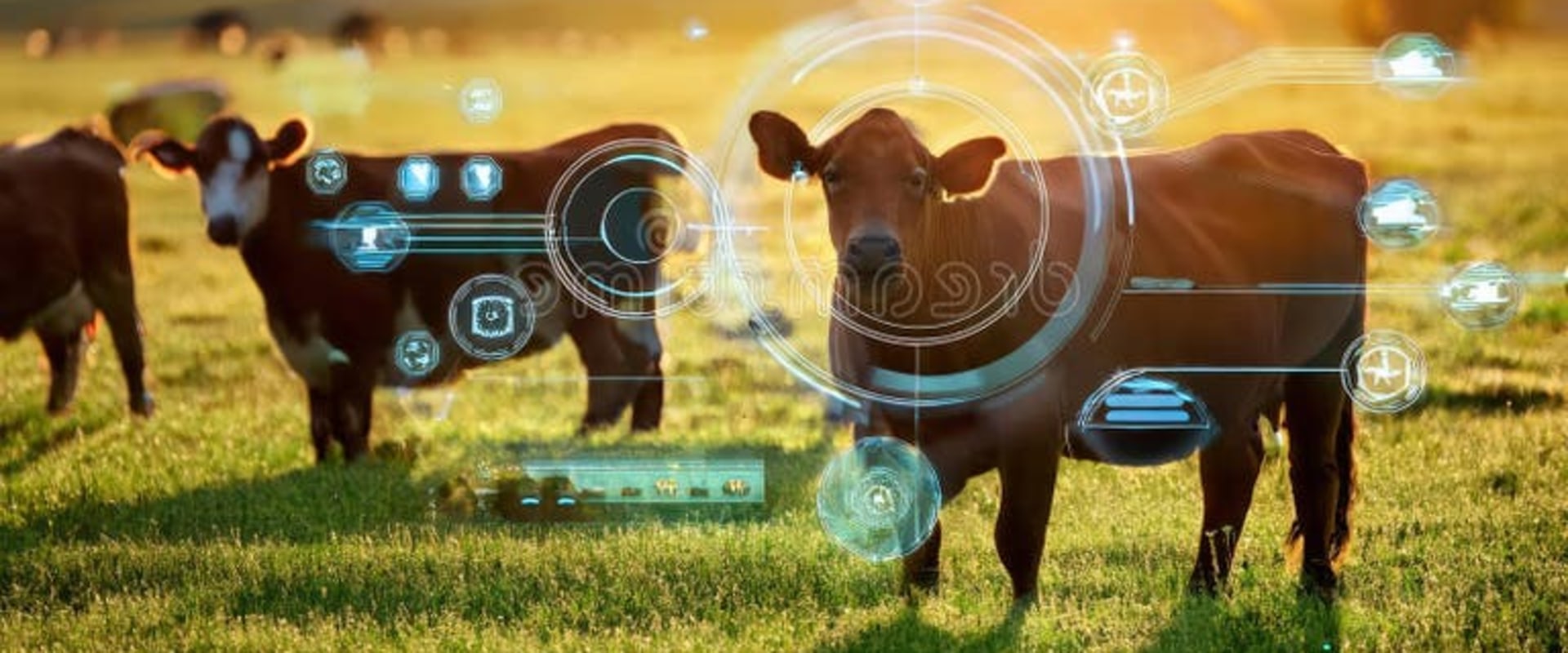
Pasture management is a critical component of sustainable agriculture, focusing on the effective use and maintenance of grasslands to support livestock production. It encompasses a variety of practices aimed at optimizing the health and productivity of pastures, ensuring that they can provide adequate forage for grazing animals while also preserving the ecosystem. Understanding pasture management is essential for farmers and ranchers who seek to enhance their operations while minimizing environmental impact. The importance of pasture management cannot be overstated. Well-managed pastures contribute to improved soil health, increased biodiversity, and enhanced water retention, all of which are vital for sustainable farming.
Furthermore, effective pasture management practices can lead to higher livestock productivity and better quality meat and dairy products. By implementing strategies such as rotational grazing, soil testing, and appropriate fertilization, farmers can create a resilient pasture system that meets both economic and ecological goals. As we delve deeper into the realm of pasture management, it becomes clear that technology plays a transformative role in these practices. From precision agriculture tools that monitor soil conditions to mobile apps that assist in tracking livestock movements, technological advancements are reshaping how farmers approach pasture management. This article will explore various technological innovations that enhance pasture management, ultimately leading to more sustainable agricultural practices.
The Role of Technology in Pasture Management
In recent years, the integration of technology in pasture management has revolutionized the way farmers approach land use and livestock care.By leveraging modern tools and techniques, producers can enhance productivity while promoting sustainability.One of the most significant advancements is the use of precision agriculture. This approach utilizes data analytics and GPS technology to monitor pasture conditions, allowing farmers to make informed decisions about grazing patterns and forage availability. For instance, soil moisture sensors can provide real-time data on soil health, enabling targeted irrigation and fertilization that conserves resources and maximizes yield.Another key technology is drones, which are increasingly being used for aerial surveys of pastures. Drones can quickly assess land conditions, identify areas needing attention, and monitor livestock movements.
This not only saves time but also reduces the physical strain on farmers who would otherwise need to cover large areas on foot.
Benefits of Technology in Agriculture
- Increased Efficiency: Automation tools such as robotic mowers and automated feeding systems streamline daily operations, allowing farmers to focus on strategic planning.
- Sustainability: Technologies that promote efficient resource use help reduce the environmental impact of farming practices.
- Data-Driven Decisions: Access to real-time data enables farmers to adapt quickly to changing conditions, optimizing pasture management strategies.
Precision Agriculture Tools for Pasture Management
In the realm of pasture management, precision agriculture tools have emerged as game-changers, enabling farmers to monitor and optimize their land use effectively. These technologies not only enhance productivity but also promote sustainable practices that are essential for long-term agricultural success.GPS Technology in Pasture Management
One of the most significant advancements in pasture management is the integration of GPS technology.This technology allows farmers to create detailed maps of their pastures, identifying variations in soil quality, moisture levels, and vegetation health. By utilizing GPS-guided equipment, farmers can:
- Monitor pasture conditions: Regularly assess the health of different pasture sections, enabling targeted interventions.
- Optimize grazing patterns: Use data to determine the best grazing schedules, ensuring that livestock graze efficiently without overgrazing.
- Manage resources: Allocate water and fertilizers more effectively based on precise location data.
Drones in Agriculture
Drones have also revolutionized pasture management, providing a bird's-eye view of the land that was previously unattainable. Equipped with advanced sensors and cameras, drones can:- Conduct aerial surveys: Quickly assess large areas for signs of stress or disease in pasture plants.
- Gather real-time data: Collect information on pasture growth rates and biomass, allowing for timely decision-making.
- Enhance monitoring: Track changes over time, helping farmers to adapt their management strategies based on current conditions.
Data Analytics and Monitoring Systems
In the realm of pasture management, the integration of data analytics and monitoring systems has revolutionized how farmers assess and maintain their land.By leveraging advanced technologies, farmers can now gather and analyze vast amounts of data related to pasture health, soil conditions, and livestock behavior.
Data analytics
plays a crucial role in transforming raw data into actionable insights. For instance, by utilizing historical data alongside real-time inputs, farmers can identify trends in pasture growth and nutrient availability. This allows for more precise planning regarding grazing schedules and fertilizer application, ultimately leading to improved pasture productivity.Moreover, the advent of Internet of Things (IoT) devices has further enhanced monitoring capabilities. These devices can be deployed across pastures to collect data on various parameters such as:- Soil moisture levels
- Temperature
- Grass height
- Livestock movement
For example, soil moisture sensors can alert farmers when irrigation is needed, preventing over or under-watering. Similarly, GPS-enabled collars on livestock can track their grazing patterns, helping farmers optimize pasture use and reduce overgrazing.Furthermore, the integration of data analytics with IoT systems allows for predictive modeling. Farmers can forecast future pasture conditions based on current data trends, enabling them to make proactive decisions rather than reactive ones. This not only enhances the sustainability of pasture management practices but also contributes to better resource allocation and cost savings.In conclusion, the combination of data analytics and IoT monitoring systems is essential for modern pasture management.
By harnessing these technologies, farmers can ensure healthier pastures, optimize livestock productivity, and ultimately achieve greater profitability in their operations.
Automated Livestock Management Solutions
In the realm of pasture management, automated livestock management solutions are revolutionizing how farmers monitor and care for their herds. These technologies not only enhance productivity but also ensure the well-being of livestock through precise tracking and feeding systems.Automated livestock tracking technology
plays a crucial role in modern farming. By utilizing GPS collars and RFID tags, farmers can monitor the location and health of their animals in real-time. This data allows for better decision-making regarding grazing patterns, ensuring that livestock are always in optimal pastures.Additionally, these systems can alert farmers to any unusual behavior, indicating potential health issues before they escalate.Another significant advancement is in feeding automation. Automated feeders can dispense the right amount of feed at scheduled times, reducing waste and ensuring that livestock receive a balanced diet. This not only saves time for farmers but also promotes healthier animals, which can lead to increased productivity and profitability.
- Benefits of Automated Livestock Management:
- Improved efficiency in monitoring livestock
- Enhanced animal welfare through timely interventions
- Reduction in labor costs associated with manual feeding and tracking
- Data-driven insights for better pasture management decisions
By leveraging technology, farmers can enhance productivity, ensure animal welfare, and make informed decisions that contribute to sustainable farming practices.
Sustainable Practices Enhanced by Technology
In the realm of sustainable pasture management, technology plays a pivotal role in enhancing eco-friendly practices that not only improve productivity but also promote soil health and biodiversity. By integrating innovative tools and techniques, farmers can adopt methods that align with the principles of regenerative agriculture.One of the most significant advancements is the use of precision agriculture. This technology allows farmers to monitor soil conditions, moisture levels, and nutrient availability in real-time. By utilizing sensors and satellite imagery, they can make informed decisions about when and how to apply fertilizers and water, minimizing waste and reducing environmental impact.Another key innovation is the implementation of rotational grazing systems supported by technology.These systems utilize mobile apps and GPS tracking to manage livestock movement across pastures. By rotating animals through different grazing areas, farmers can prevent overgrazing, promote regrowth of native plants, and enhance soil structure. This practice not only improves pasture quality but also increases carbon sequestration in the soil.Furthermore, drone technology has emerged as a valuable tool in pasture management. Drones can survey large areas quickly, providing insights into pasture health and identifying areas that require attention.
This aerial perspective allows for better planning of grazing patterns and helps in monitoring the effectiveness of sustainable practices.Lastly, the integration of data analytics into pasture management systems enables farmers to track performance metrics over time. By analyzing data related to soil health, livestock productivity, and environmental conditions, farmers can continuously refine their practices to enhance sustainability.In conclusion, the fusion of technology with sustainable pasture management not only supports eco-friendly farming but also fosters a resilient agricultural system capable of adapting to changing environmental conditions.
Challenges and Considerations in Implementing Technology
Implementing technology in pasture management can significantly enhance productivity and sustainability, but it is not without its challenges. Farmers must navigate various obstacles that can hinder the successful adoption of these innovations.Challenges of Technology in Agriculture
One of the primary challenges is the cost of implementing farm technology. Advanced tools such as precision grazing systems, automated feeders, and soil sensors often require substantial initial investments.For many farmers, especially those operating on tight margins, this upfront cost can be a significant barrier. Additionally, ongoing maintenance and potential upgrades can add to the financial burden.
Farmer Education on Technology Use
Another critical consideration is the need for farmer education. Many agricultural professionals may lack the necessary training to effectively utilize new technologies. This gap in knowledge can lead to underutilization or misuse of tools that could otherwise optimize pasture management practices.Providing access to training programs and resources is essential for empowering farmers to embrace these advancements.
Integration with Existing Practices
Moreover, integrating new technologies with existing farming practices can pose logistical challenges. Farmers must consider how new systems will fit into their current operations without disrupting productivity. This requires careful planning and sometimes a phased approach to implementation, which can prolong the transition period.In conclusion, while technology offers promising solutions for modern pasture management, farmers must address these challenges thoughtfully. By understanding the costs involved, investing in education, and planning for integration, they can better position themselves to leverage technology effectively.Future Trends in Pasture Management Technology
The future of pasture management is poised for significant transformation, driven by emerging technologies that enhance efficiency and sustainability in agricultural practices.As farmers increasingly seek innovative solutions to meet the demands of a growing population while minimizing environmental impact, several key trends are emerging.
Precision Agriculture
One of the most promising trends in pasture management is the adoption of precision agriculture technologies. These tools utilize data analytics, GPS, and IoT devices to monitor pasture conditions in real-time. By analyzing soil health, moisture levels, and nutrient availability, farmers can make informed decisions about grazing patterns and fertilizer application, ultimately leading to healthier pastures and improved livestock productivity.Drones and Aerial Imaging
Drones equipped with advanced imaging technology are becoming invaluable in pasture management. They provide aerial views of grazing lands, allowing farmers to assess pasture health, identify areas needing attention, and monitor livestock movement.This technology not only saves time but also enhances the ability to manage large areas effectively.
Automated Livestock Monitoring
The integration of wearable technology for livestock is another trend shaping the future of pasture management. Smart collars and sensors can track animal health, location, and behavior patterns. This data enables farmers to respond quickly to health issues or changes in grazing habits, ensuring optimal animal welfare and productivity.Sustainable Practices through Technology
As sustainability becomes a priority in agriculture, technologies that promote regenerative practices are gaining traction. Innovations such as rotational grazing systems supported by software applications help optimize pasture use while preventing overgrazing.These systems not only improve soil health but also enhance carbon sequestration efforts.In conclusion, the future of pasture management is bright with the advent of these emerging technologies. By embracing precision agriculture, drone technology, automated monitoring systems, and sustainable practices, farmers can enhance productivity while ensuring the long-term viability of their pastures.
FAQs about Technology in Pasture Management
As technology continues to evolve, many farmers are curious about how it can enhance pasture management practices. Here are some frequently asked questions that address common concerns and misconceptions:- What types of technology are commonly used in pasture management?
Farmers often utilize a variety of technologies, including GPS mapping, drones, and soil moisture sensors. These tools help in monitoring pasture health, optimizing grazing patterns, and managing resources more efficiently. - How does technology impact pasture health?
By using technology, farmers can gather real-time data on soil conditions, plant health, and livestock behavior.This information allows for timely interventions that can improve pasture quality and sustainability.
- Can technology reduce costs in pasture management?
Yes, implementing tech solutions can lead to significant cost savings. For instance, precision grazing techniques help minimize overgrazing and underutilization of land, ultimately reducing feed costs and improving overall farm profitability. - Is it difficult to integrate technology into existing pasture management practices?
While there may be a learning curve, many modern technologies are designed to be user-friendly. Additionally, numerous resources and support systems are available to assist farmers in the transition. - What are the long-term benefits of using technology in pasture management?
Long-term benefits include enhanced productivity, improved animal welfare, and better environmental stewardship. By adopting tech solutions, farmers can create a more resilient and sustainable farming system.
As farmers continue to explore these innovations, they will likely find that the benefits far outweigh the initial investment.